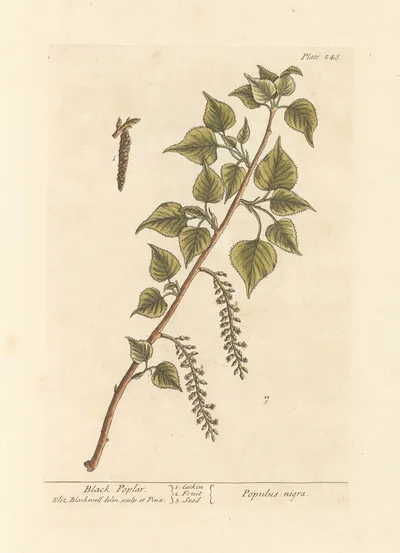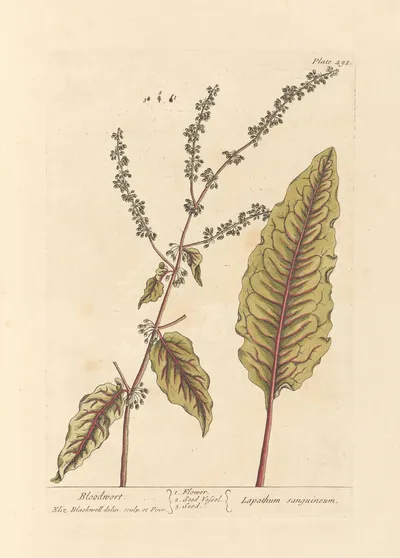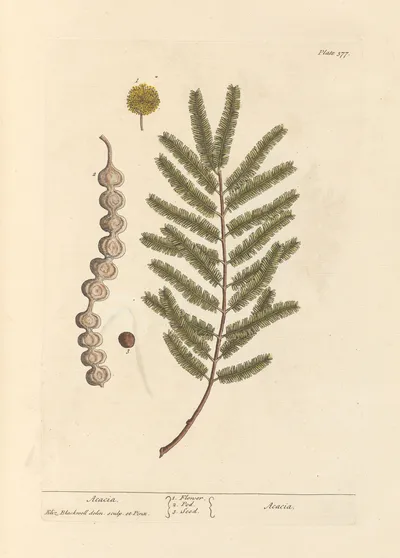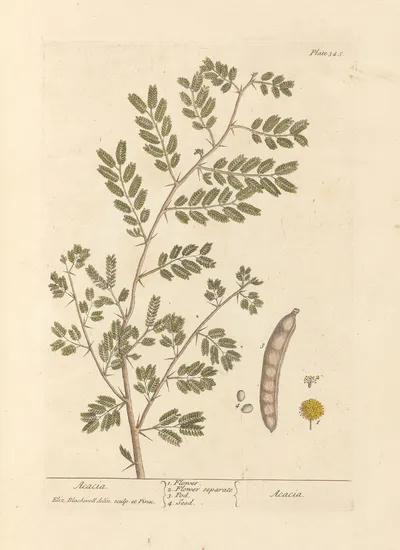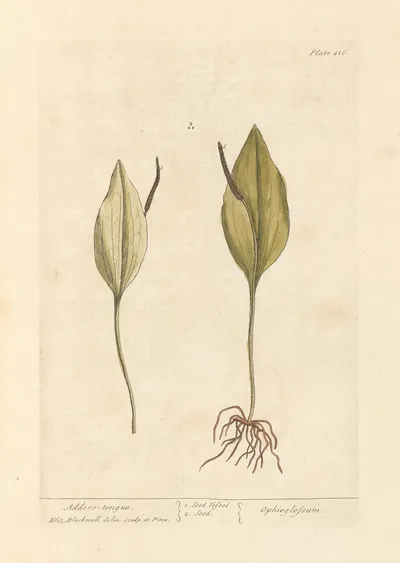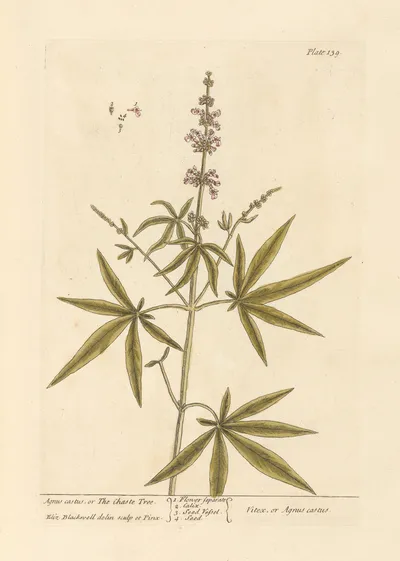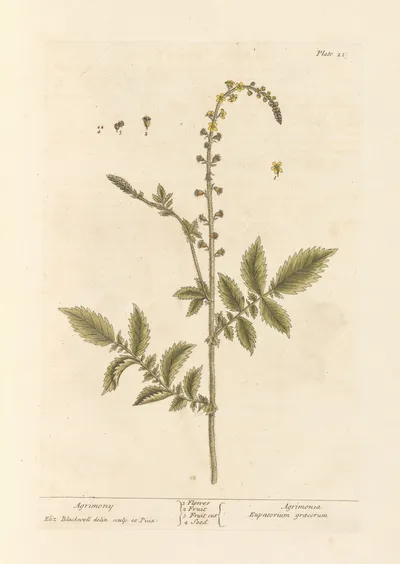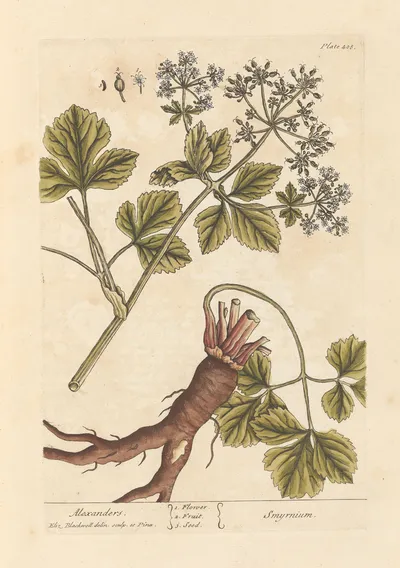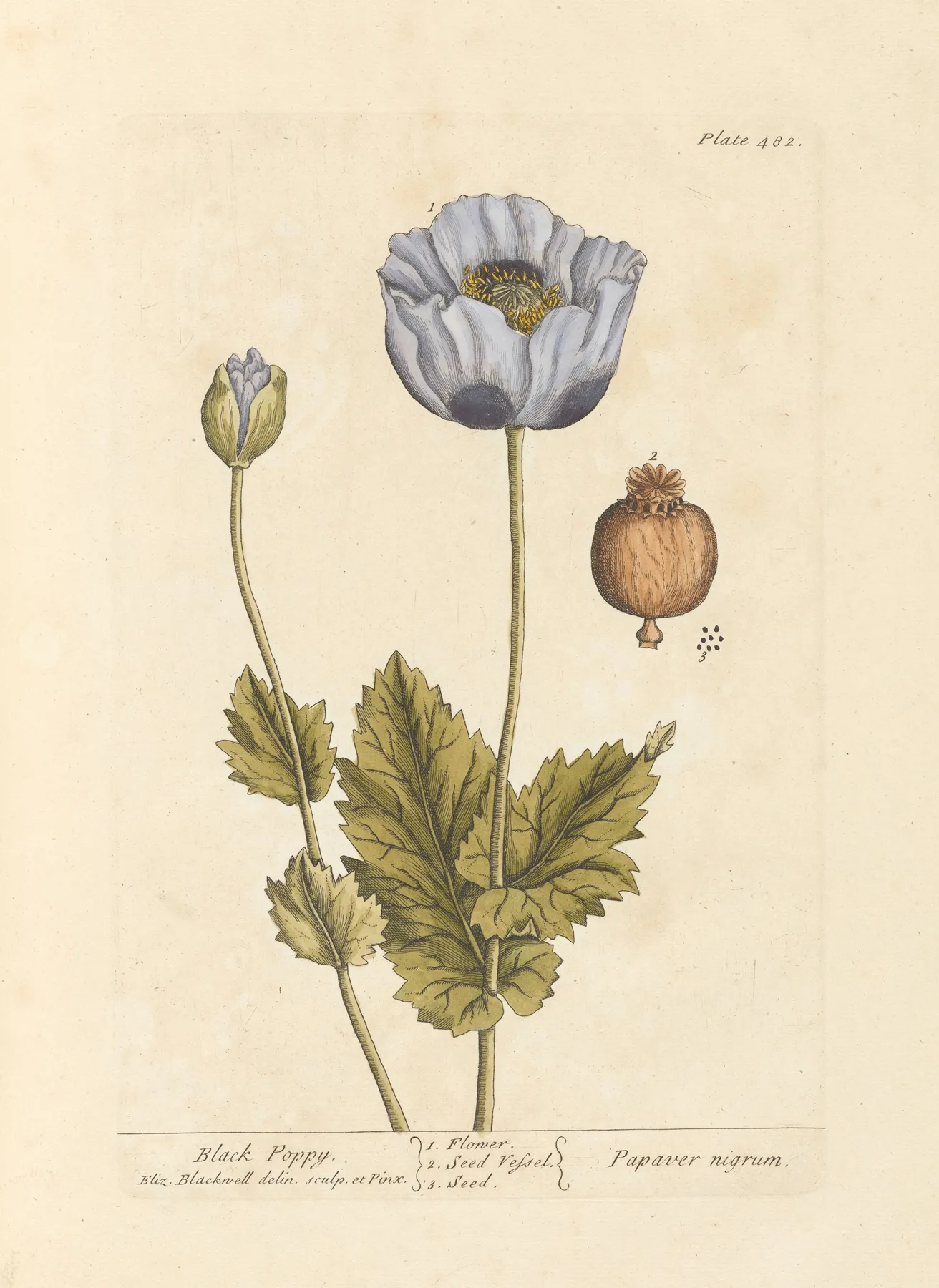
Black poppy (1739)
Ten ways of seeing
- upright 1.37 : 1
First Look
六法者何?一、气韵生动是也;二、骨法用笔是也;三、应物象形是也;四、随类赋彩是也;五、经营位置是也;六、传移模写是也。
—— 南齐·谢赫《古画品录》
The six laws: spirit resonance alive; bone-method in the brush; matching form; colour by kind; planning the placing; copying the masters.
The sheet is vertical: the eye climbs and settles in the upper half. Let the plant stand before you look for detail. Then step in close: watch where colour meets line, and whether the line ever breaks. Third, find the darkest small patch: the whole tonal order is measured from there.
Name and Thing
The binomial is Black poppy: the first word is the genus it belongs among, the second the epithet that sets it apart. Two words carry a whole provenance. No established Chinese name exists, so it is cited by its binomial alone.
Form and Colour
Garden annuals and low perennials: many small, brilliantly coloured flowers to a stem, with leaves palmately lobed, pinnate or entire — the mainstay of the Victorian bedding scheme.No colour group is recorded. Read the outline, then the colour layers, then the brush.
Composition
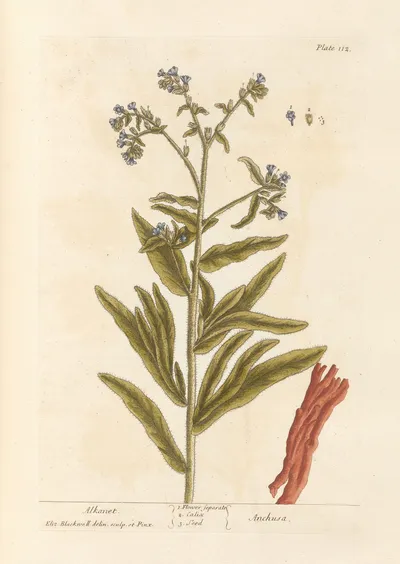
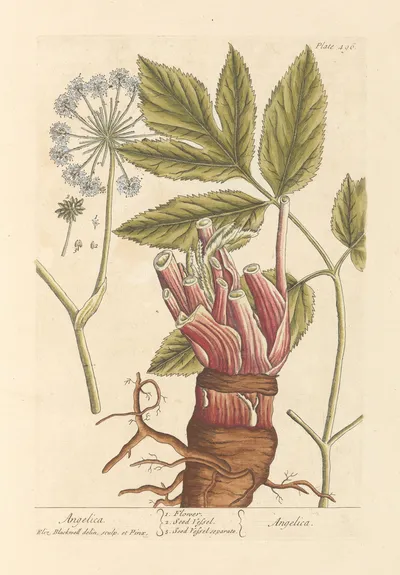
Tall and narrow, the plant rising in one movement with generous margins — the upright format of most floras. No details are appended: a plate for looking, not for keying out. Cover the margins with your thumb and the plate suffocates; uncover them and the flower breathes again.
Line and Colour
Eighteenth-century plates are mostly copper engraving: hatched lines for shadow, then hand-colouring by another hand. Craft leaves franker evidence than inscriptions. If you mean to copy it: take its skeleton, its margins and the order of its colours; the burin's hatching is the language of copper — suggest it with pencil density, do not imitate it stroke for stroke.
Poetic Resonance
春风入园林,万卉以艳争相夸。
—— 宋·王十朋《和韓李花 其一》
The poem gives the mood first and the picture supplies the form; set the line beside the plate and the corolla becomes its resting point.
Symbolism
Bedding plants carry no imperial weight; they mean the everyday — window sill, border, festival, gift. Victorian floriography grew up among exactly these flowers. Meanings change their tune: the same flower can say opposite things within a century.
Season and Place
Late spring to early autumn, June through September. Gathered from everywhere by plant hunters and the glasshouse trade: pelargoniums from South Africa, campanulas from European mountains, lobelias from North America, fuchsias from Chile. The year 1739 on the plate is that of publication, not of flowering — the gathering came a year or two earlier. The bud and the ripe fruit on one branch tell the season; the name in the title often tells the journey.
The Book and the Hand
“A curious herbal” carries only Elizabeth Blackwell's name. The image is public domain; the hand-colouring is still one person's hand.
What to Take Away
Carry three rules away: whole before detail; line before colour; picture before book. A flora exists to be consulted; look long enough and you forget to consult — someone in 1739 gave a whole day to a single flower.