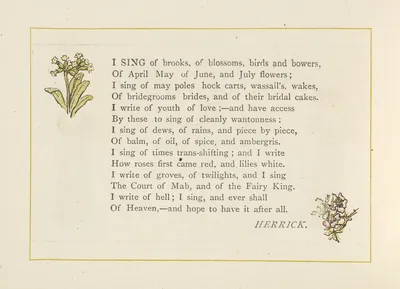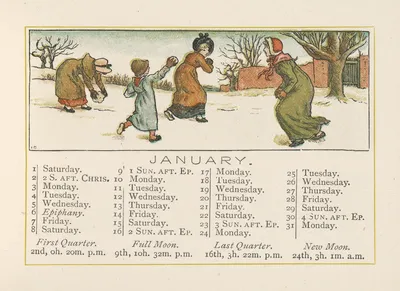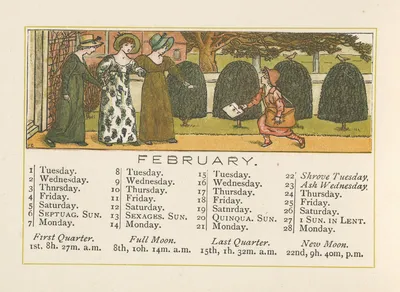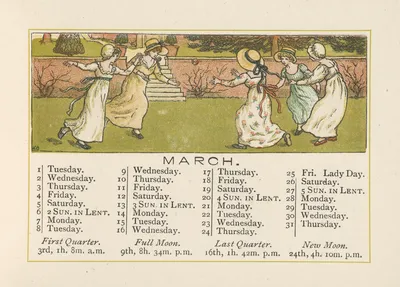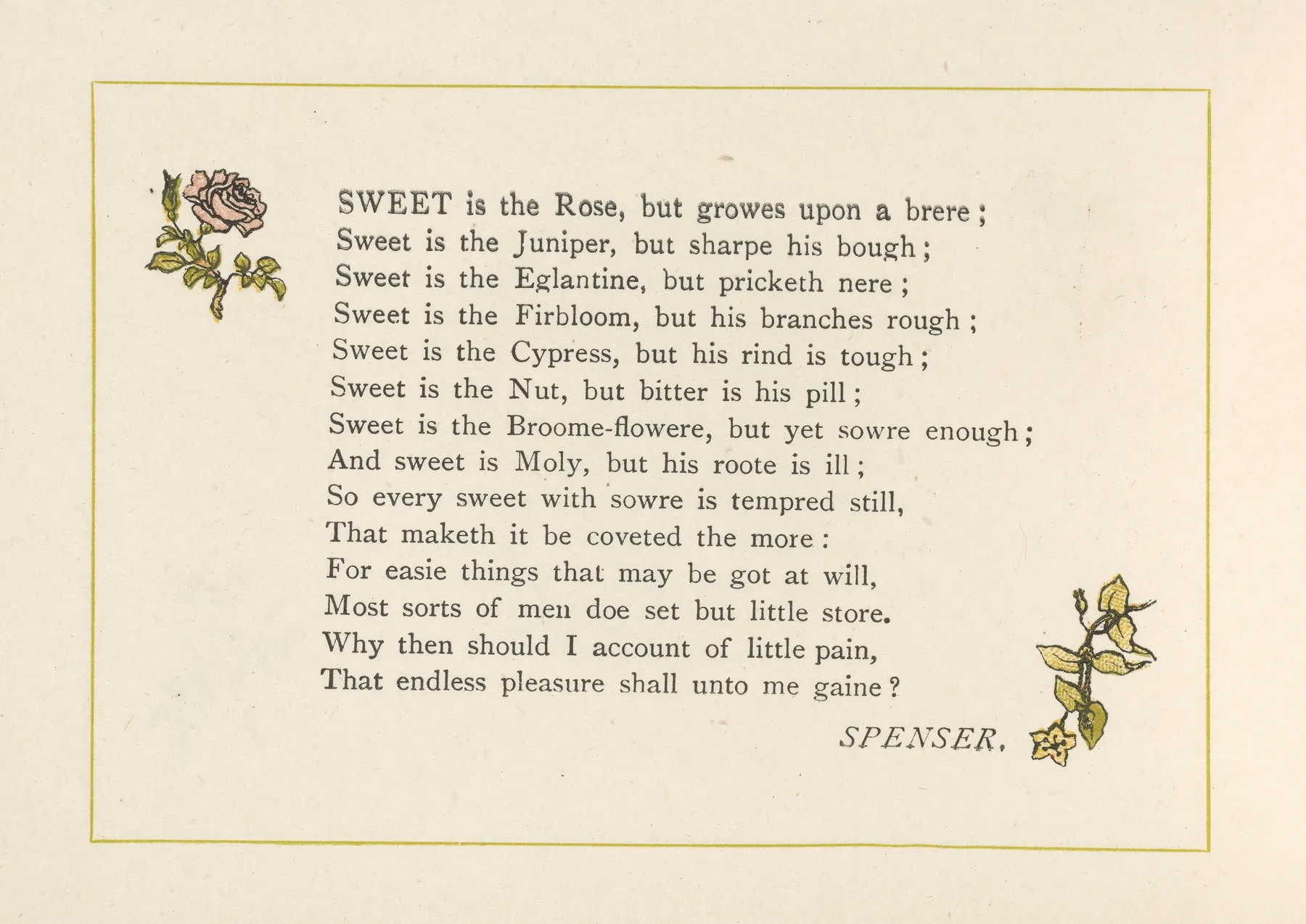
Sweet is the Rose, but growes upon a brere… (1887)
Ten ways of seeing
- broad 0.71 : 1
First Look
夫象物必在于形似,形似须全其骨气。
—— 唐·张彦远《历代名画记》
Likeness is the threshold; bone-and-breath is the point.
Broad and horizontal: the eye travels side to side. Find where it stops. Then step in close: watch where colour meets line, and whether the line ever breaks. Third, find the darkest small patch: the whole tonal order is measured from there.
Name and Thing
No reliable binomial survives, so the printed title must serve. Neither name nor binomial survives: the printed title must do.
Form and Colour
Roses are shrubs or scramblers with pinnate leaves of three to seven serrated leaflets; the double flowers open in crumpled, inward-curling layers around a small knot of yellow stamens.No colour group is recorded. Read the outline, then the colour layers, then the brush.
Composition
Broad and horizontal — the format for groups or a whole plant with its roots. No details are appended: a plate for looking, not for keying out. Old plates set the plant slightly off centre, with unequal margins — that small imbalance is what keeps it alive.
Line and Colour
In the later nineteenth century chromolithography took over: colour printed rather than painted, line demoted. Decide first whether it was printed or painted; only then discuss whether it is beautiful. If you mean to copy it: block in the broad shapes and colours first, detail last; lithographic softness comes from thin washes — two or three pale layers will get you close.
Poetic Resonance
破却千家作一池,不栽桃李种蔷薇。
—— 唐·贾岛《题兴化园亭》
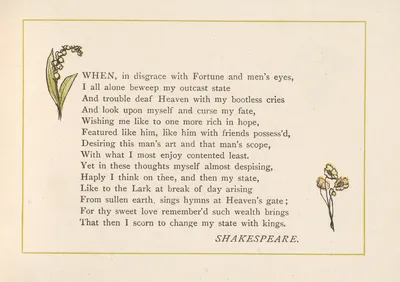
The poem gives the mood first and the picture supplies the form; set the line beside the plate and the corolla becomes its resting point.
Symbolism
In Europe the rose means love and secrecy ('sub rosa'); in Chinese verse the rambling rose leans and clings — lingering attachment rather than ardour. Meanings change their tune: the same flower can say opposite things within a century.
Season and Place
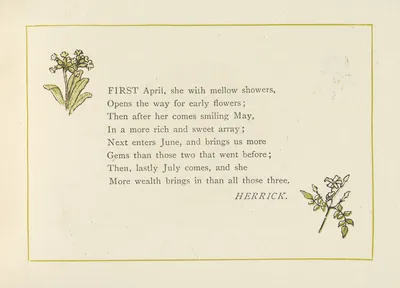
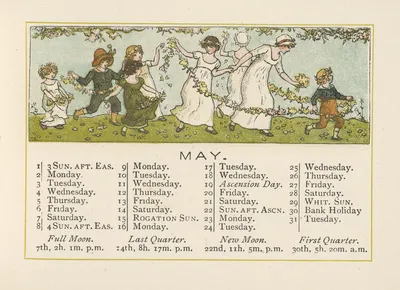
Late spring into early summer, peaking in May — the first flush of the garden year. the ever-blooming modern rose is a nineteenth-century crossing of European and Chinese stock. The year 1887 on the plate is that of publication, not of flowering — the gathering came a year or two earlier. The bud and the ripe fruit on one branch tell the season; the name in the title often tells the journey.
The Book and the Hand
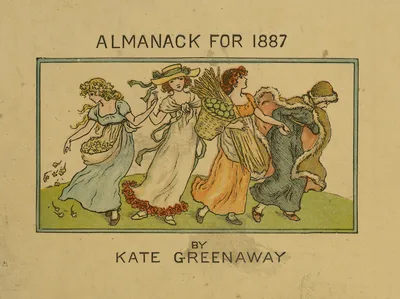
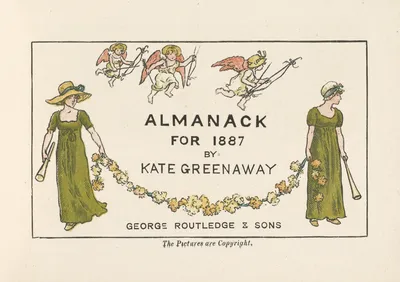
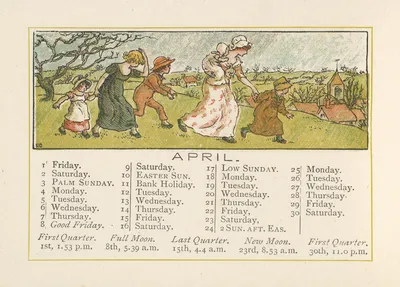
“Almanack for 1887” carries only Kate Greenaway's name. From drawing to plate the sheet passed through several hands — the engraver aimed at accuracy, the colourist at speed, and between them lies each plate's unevenness.
What to Take Away
If you keep one line, keep Guo Xi's: from afar its momentum, up close its texture. Two centuries on, the plant may still flower in some garden; the one on this sheet stopped in the season of 1887.