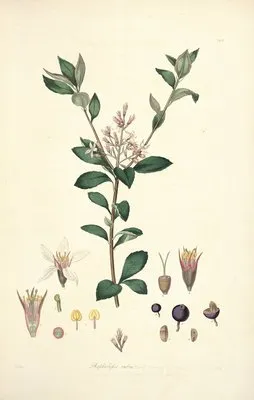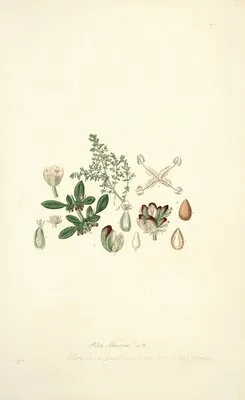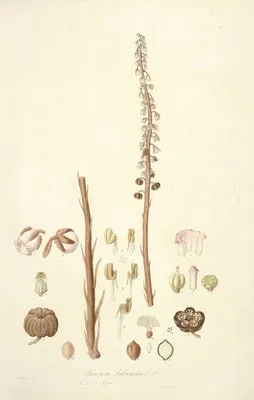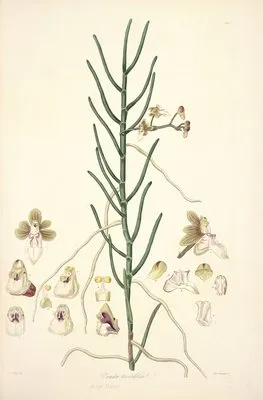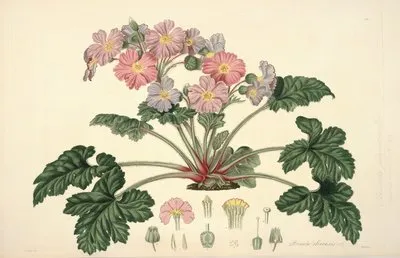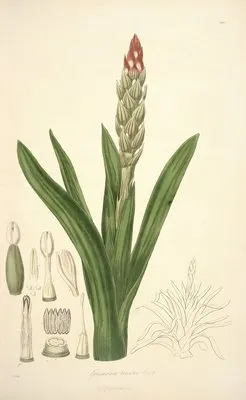
Collectanea botanica Pl.18
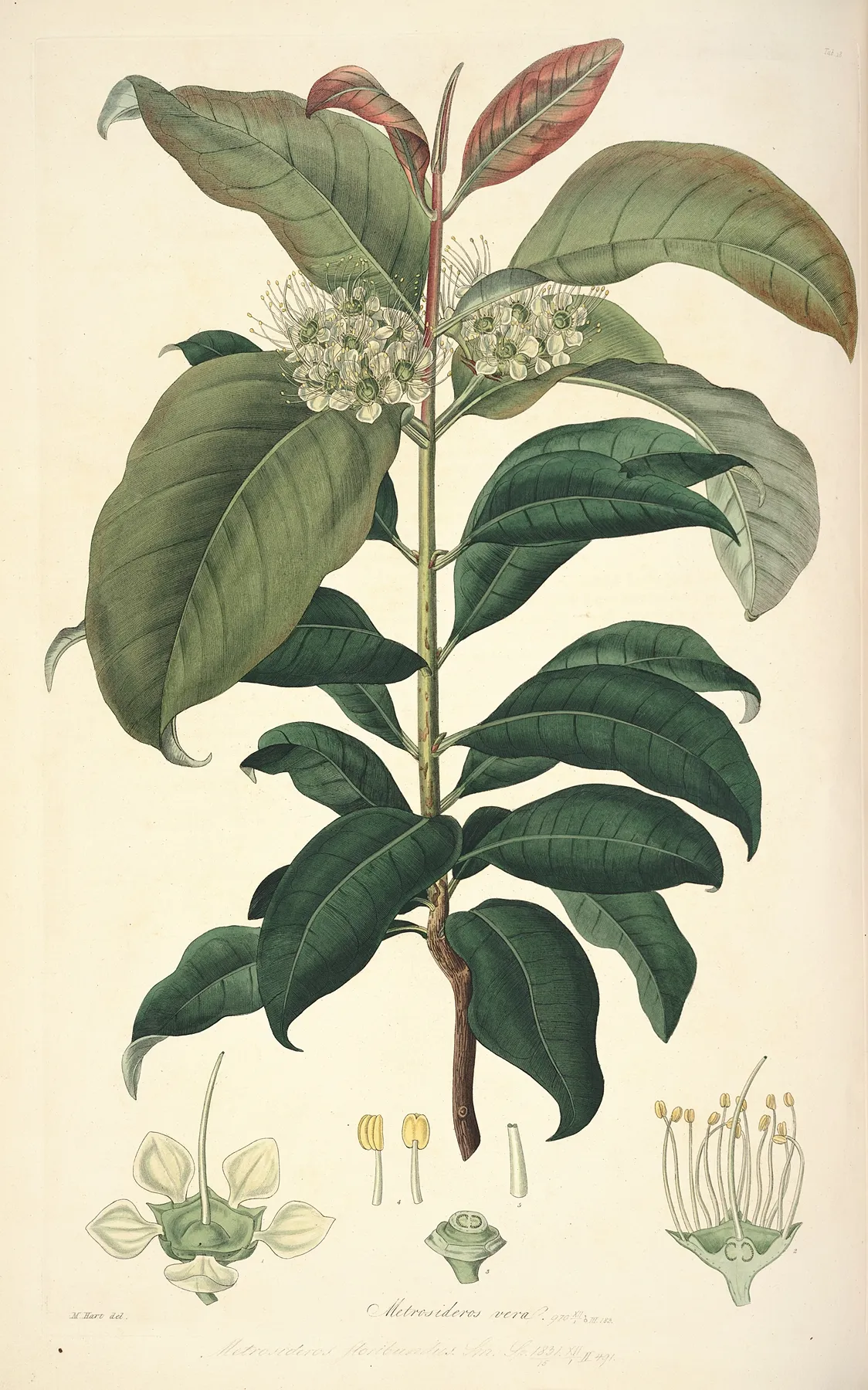
铁心木属·Metrosideros vera|Collectanea botanica Pl.18
Collectanea botanica Pl.18
About this plate
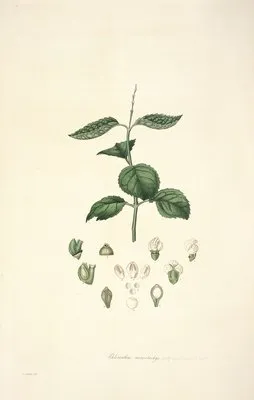
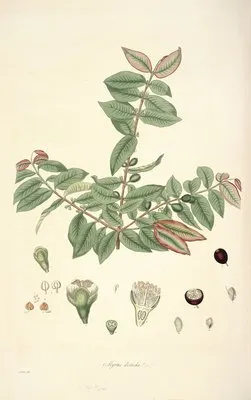
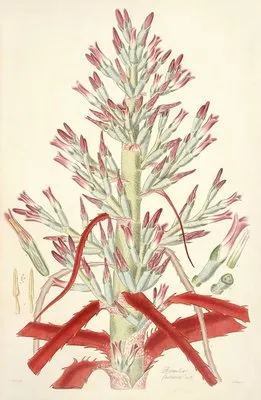
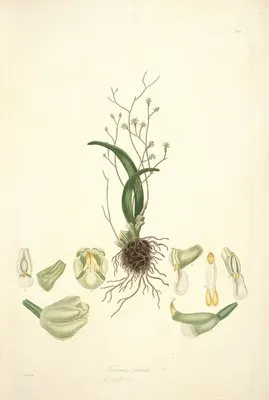
Collectanea botanica Pl.18 is plate 18, from Collectanea botanica, drawn by John Lindley. This public-domain plate is reproduced at high resolution, free to view and download. Publication: London, Richard and Arthur Taylor, 1821-1826.
Twelve ways of seeing
- measured cast yellow-green
- upright 1.60 : 1
- published 1821
- Plate 18
Not a catalogue entry but a way of looking: how to stand, what to notice, how the line was cut, when it flowers, where it came from, who made it — and then the poems and the classics that taught China to see the same flower. Read the twelve in order and the plate opens.
-
First Look
真山水之川谷,远望之以取其势,近看之以取其质。
—— 宋·郭熙《林泉高致·山水训》
Mountains and valleys: from afar take their momentum, up close take their texture — the two distances from which any picture is read.
The sheet is vertical: the eye climbs and settles in the upper half. Let the plant stand before you look for detail. Then step in close: watch where colour meets line, and whether the line ever breaks. Third, find the darkest small patch: the whole tonal order is measured from there.
-
Name and Thing
No reliable binomial survives, so the printed title must serve. Neither name nor binomial survives: the printed title must do.
-
Form and Colour
Measured on this plate: flower colour covers 8.3% of the sheet, foliage 20.8%, the cast yellow-green with a second note of amber. No other plate shares exactly this measure. A botanical plate: one plant lifted from field or glasshouse and set at the centre of the sheet, root, stem, leaf, flower and fruit in turn, made legible, citable, transmissible.No colour group is recorded. Three things fix the habit: leaf arrangement, tepal count, and how the flower is borne.
-
Composition
Tall and narrow, the plant rising in one movement with generous margins — the upright format of most floras. (about 1.60 : 1) No details are appended: a plate for looking, not for keying out. The plant fills 39% of the sheet, centred above centre — the herbarium way, drawn to be read whole. Blank paper is not unfinished work: it is where the eye rests.
-
Line and Colour
The first half of the nineteenth century moved from copper to steel to lithography; stipple could render the softest transition. Decide first whether it was printed or painted; only then discuss whether it is beautiful.
-
Season
Plates usually record flowering, the fortnight when a plant is most identifiable; the rest of the year it is only a mass of leaves. The year 1821 on the plate is that of publication, not of flowering — the gathering came a year or two earlier. The best time to read such a plate is its flowering season: three minutes under the tree explains what no text can.
-
Provenance
Various: local hillside or a plant brought from overseas. The nineteenth-century botanic garden and glasshouse were their first address away from home. In the same volume the kin are shelved together; set several plates side by side.
-
The Book and the Hand
“Collectanea botanica” was drawn by John Lindley and published 1821-1826. This plate is Plate 18. The image is public domain; the hand-colouring is still one person's hand.
-
Poetic Resonance
天地有大美而不言,四时有明法而不议。
—— 《庄子·知北游》
Heaven and earth have great beauty and do not speak.
The poem gives the mood first and the picture supplies the form; set the line beside the plate and the corolla becomes its resting point.
-
The Written Tradition
宁古无时,宁朴无巧,宁俭无俗。
—— 明·文震亨《长物志》
Better old than fashionable, better plain than clever, better spare than vulgar.
China had the Bencao Gangmu and the Illustrated Study of Plant Names and Realities; Europe moved from herbal woodcuts to chromolithography. Both trusted pictures to finish what words could not. Keep the line; it will surface the next time you meet the same plant.
-
Symbolism
The symbolism of such a plate lies not in flower lore but in record: the belief that a plant deserves to be drawn accurately — the plainest ethic of the scientific age. In a flora it is a species first and a symbol second; the order is worth keeping.
-
What to Take Away
Carry three rules away: whole before detail; line before colour; picture before book. A flora exists to be consulted; look long enough and you forget to consult — someone in 1821 gave a whole day to a single flower.