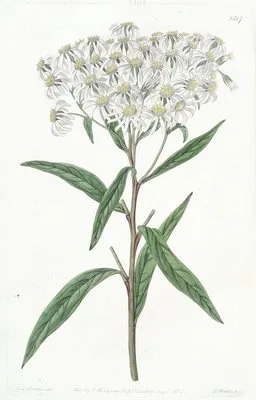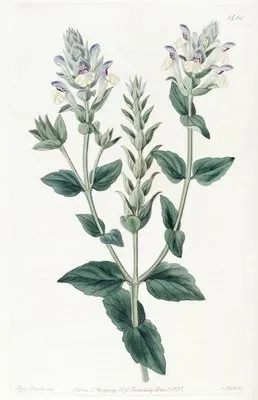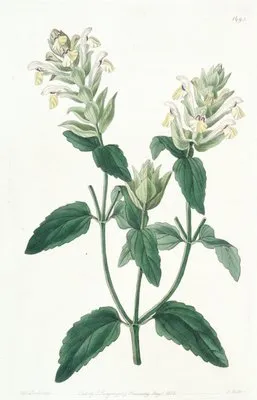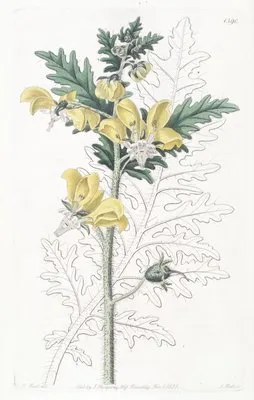
Broad-leaved Crinum
Broad-leaved Crinum
Broad-leaved Crinum
About this plate
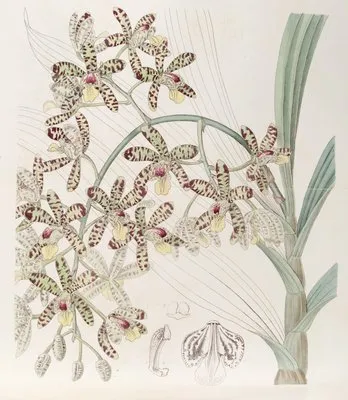
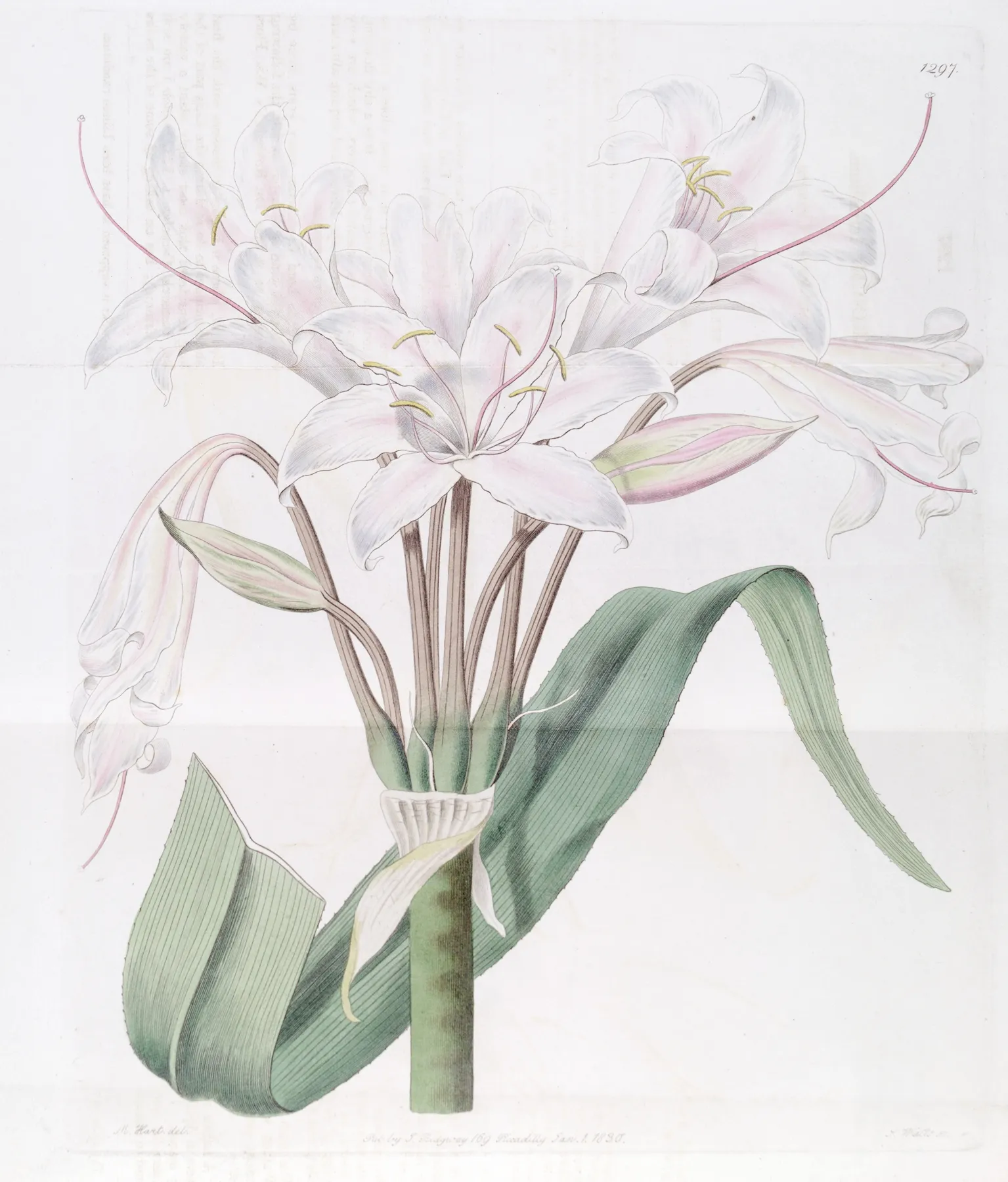
Broad-leaved Crinum is plate 103, from Edwards' Botanical Register, drawn by Sydenham Edwards, John Lindley. This public-domain plate is reproduced at high resolution, free to view and download. Publication: London, James Ridgway, 1829-1847.
Twelve ways of seeing
- measured cast yellow-green
- slightly upright 1.17 : 1
- published 1829
- Plate 103
Not a catalogue entry but a way of looking: how to stand, what to notice, how the line was cut, when it flowers, where it came from, who made it — and then the poems and the classics that taught China to see the same flower. Read the twelve in order and the plate opens.
-
First Look
竖划三寸,当千仞之高;横墨数尺,体百里之迥。
—— 南朝宋·宗炳《画山水序》
A vertical stroke of three inches stands for a cliff of a thousand fathoms; a few feet of ink holds a hundred li.
Slightly taller than wide; the eye lands above centre. Then step in close: watch where colour meets line, and whether the line ever breaks. Third, find the darkest small patch: the whole tonal order is measured from there. The pose leans right: the upper half carries 8 points further right than the lower — a living thing, not a diagram.
-
Name and Thing
Only the genus Crinum is given; species-level names came later. No established Chinese name exists, so it is cited by its binomial alone.
-
Form and Colour
Measured on this plate: flower colour is sparing, 0.5% of the sheet against 0.2% of foliage, the cast tending yellow-green — as with pale or white blooms, outline and tone do the talking. Bulbous plants store the year underground — bulb, corm or tuber — then send up a few thick leaves and a single scape, with six tepals in cup, funnel or star.No colour group is recorded. Three things fix the habit: leaf arrangement, tepal count, and how the flower is borne.
-
Composition
Slightly taller than wide, the plant set a little above centre. (about 1.17 : 1) No details are appended: a plate for looking, not for keying out. The plant covers only 19% of the sheet, centred below centre; the emptiness is where the eye rests. Blank paper is not unfinished work: it is where the eye rests.
-
Line and Colour
The first half of the nineteenth century moved from copper to steel to lithography; stipple could render the softest transition. There is evidence on the back too: the plate mark pressed into the paper, the slight relief of the pigment, lines worn shallow in a later printing.
-
Season
Early spring to early summer, genus by genus: tulips and hyacinths first, gladiolus and amaryllis later. The year 1829 on the plate is that of publication, not of flowering — the gathering came a year or two earlier. Note the season. Phenology is the most practical tool of appreciation.
-
Provenance
Three homelands: the Mediterranean, Central Asia and South Africa. The tulip came from Ottoman gardens and became a Dutch mania; South African bulbs filled European glasshouses after 1800. The volume was made in 1829-1847, when most of this knowledge came from living plants under glass.
-
The Book and the Hand
“Edwards' Botanical Register” was drawn by Sydenham Edwards, John Lindley and published 1829-1847. This plate is Plate 103. The image is public domain; the hand-colouring is still one person's hand.
-
Poetic Resonance
郁金香汗裛歌巾,山石榴花染舞裙。
—— 唐·白居易《盧侍御小妓乞詩座上留贈》
The poem gives the mood first and the picture supplies the form; set the line beside the plate and the corolla becomes its resting point.
-
The Written Tradition
宁古无时,宁朴无巧,宁俭无俗。
—— 明·文震亨《长物志》
Better old than fashionable, better plain than clever, better spare than vulgar.
Li Bai's 'orchid wine, fragrant with yujin' is often misread as tulips; the Tang yujin was a turmeric-like root used to scent wine — same name, different plant. Keep the line; it will surface the next time you meet the same plant.
-
Symbolism
The tulip was an imperial emblem in Istanbul and a speculative bubble in Amsterdam; the hyacinth sprang from a boy's blood in Greek myth. What bulbs share is concealment: next year kept underground. Meanings change their tune: the same flower can say opposite things within a century.
-
What to Take Away
Carry three rules away: whole before detail; line before colour; picture before book. A flora exists to be consulted; look long enough and you forget to consult — someone in 1829 gave a whole day to a single flower.