Lady Josika’s Lilac
Lady Josika’s Lilac
About this plate
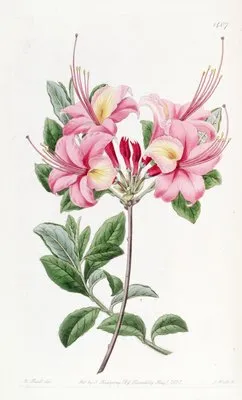
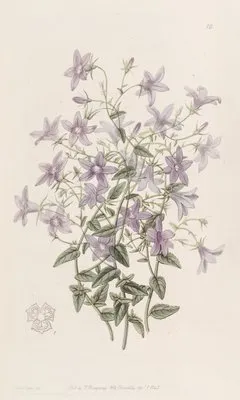
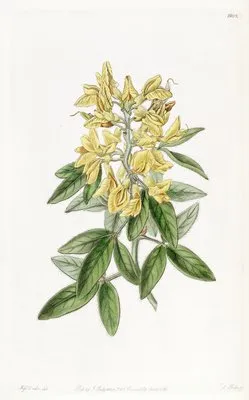
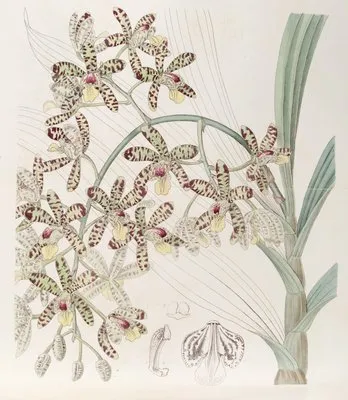
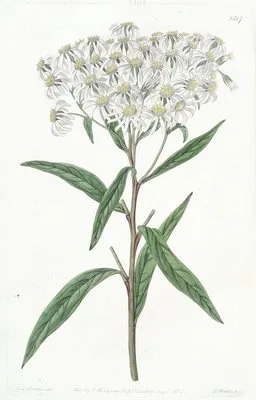
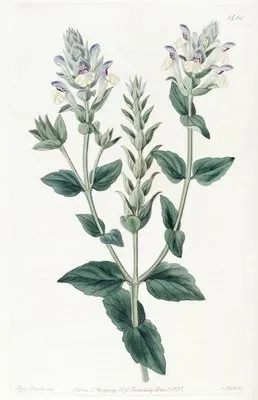
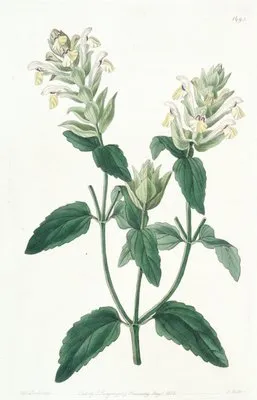
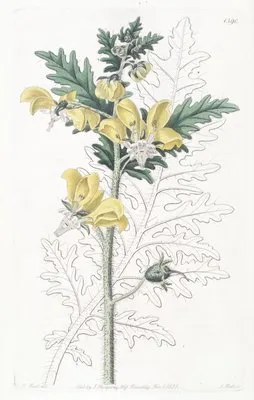
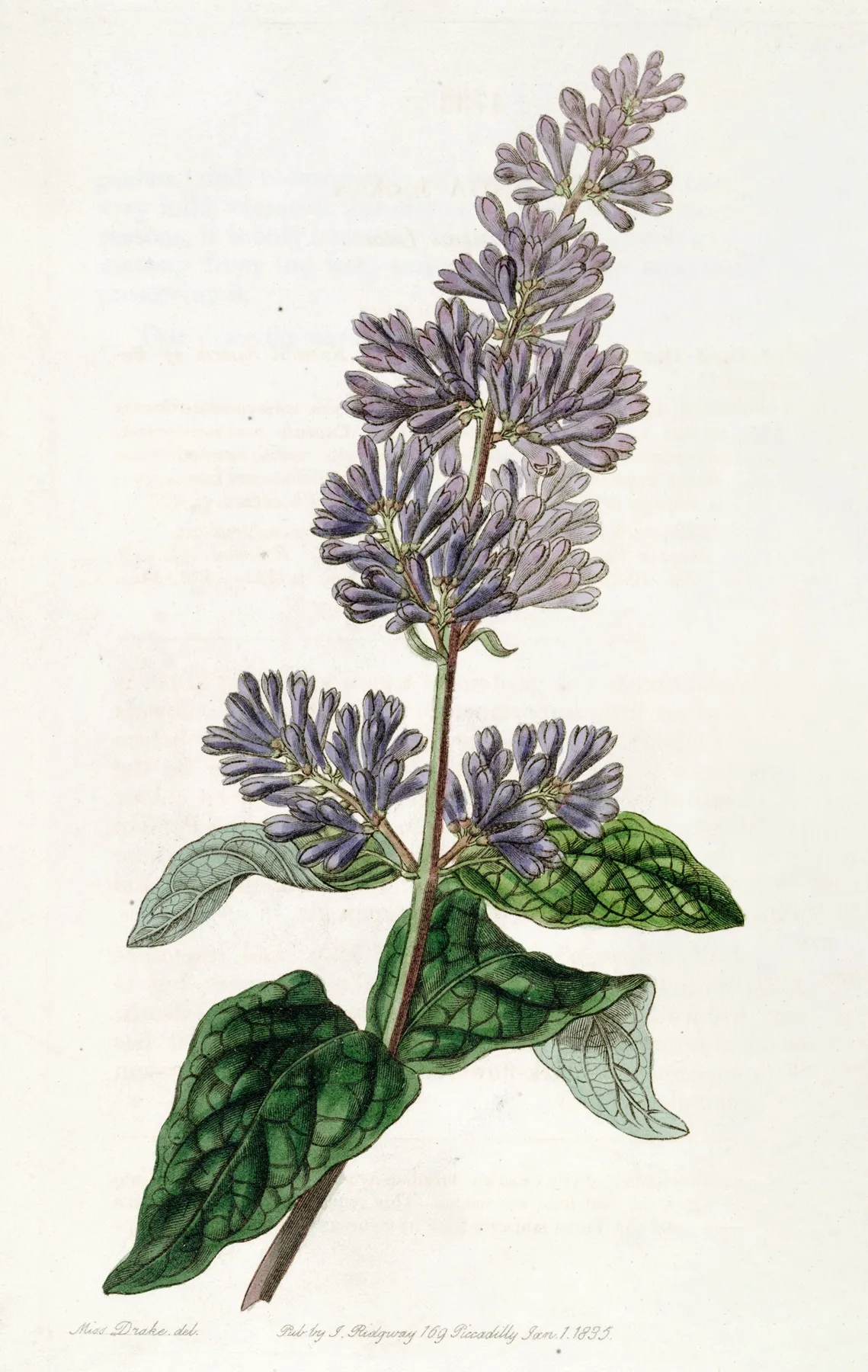
Lady Josika’s Lilac is plate 529, from Edwards' Botanical Register, drawn by Sydenham Edwards, John Lindley. This public-domain plate is reproduced at high resolution, free to view and download. Publication: London, James Ridgway, 1829-1847.
Twelve ways of seeing
- measured cast amber
- upright 1.58 : 1
- published 1829
- Plate 529
Not a catalogue entry but a way of looking: how to stand, what to notice, how the line was cut, when it flowers, where it came from, who made it — and then the poems and the classics that taught China to see the same flower. Read the twelve in order and the plate opens.
-
First Look
真山水之川谷,远望之以取其势,近看之以取其质。
—— 宋·郭熙《林泉高致·山水训》
Mountains and valleys: from afar take their momentum, up close take their texture — the two distances from which any picture is read.
The sheet is vertical: the eye climbs and settles in the upper half. Let the plant stand before you look for detail. Then step in close: watch where colour meets line, and whether the line ever breaks. Third, find the darkest small patch: the whole tonal order is measured from there. The pose leans right: the upper half carries 12 points further right than the lower — a living thing, not a diagram.
-
Name and Thing
No reliable binomial survives, so the printed title must serve. Neither name nor binomial survives: the printed title must do.
-
Form and Colour
Measured on this plate: flower colour covers 2.4% of the sheet, foliage 6.9%, the cast amber with a second note of yellow-green. No other plate shares exactly this measure. Flowering trees and shrubs put out branches first; blossoms open before or with the leaves, usually five thin, translucent petals around a cluster of fine stamens.No colour group is recorded. A single plant, laid out with nothing hidden.
-
Composition
Tall and narrow, the plant rising in one movement with generous margins — the upright format of most floras. (about 1.58 : 1) No details are appended: a plate for looking, not for keying out. The plant covers only 25% of the sheet, centred near the centre; the emptiness is where the eye rests. Cover the margins with your thumb and the plate suffocates; uncover them and the flower breathes again.
-
Line and Colour
The first half of the nineteenth century moved from copper to steel to lithography; stipple could render the softest transition. Take a loupe to three places: petal edge, leaf vein, caption. An unbroken line means engraving; colour crossing the outline means a hand.
-
Season
Mid spring: plum first, then peach and apricot, cherry last — the season keeps its order. The year 1829 on the plate is that of publication, not of flowering — the gathering came a year or two earlier. The plate records ten days of peak; the other three hundred are leaf, fruit and rest.
-
Provenance
East Asia and temperate Eurasia. Plum, peach and apricot are Chinese in origin, grown for three thousand years; cherry and crabapple went east to Japan and west to Europe. The volume was made in 1829-1847, when most of this knowledge came from living plants under glass.
-
The Book and the Hand
“Edwards' Botanical Register” was drawn by Sydenham Edwards, John Lindley and published 1829-1847. This plate is Plate 529. The image is public domain; the hand-colouring is still one person's hand.
-
Poetic Resonance
羞逐弹安社中儿,赤鸡白雉赌梨栗。
—— 《行路难·其二》
The poem gives the mood first and the picture supplies the form; set the line beside the plate and the corolla becomes its resting point.
-
The Written Tradition
桃之夭夭,灼灼其华。之子于归,宜其室家。
—— 《诗经·周南·桃夭》
The peach tree young and lovely, its blossoms blazing; this girl goes to her new home, and it will be well with her house.
Lin Bu of Hangzhou famously took the plum as his wife and the crane as his son; the Book of Songs already used peach blossom to open a wedding song. Keep the line; it will surface the next time you meet the same plant.
-
Symbolism
Plum is solitude, peach is marriage, apricot is spring itself, crabapple is a fragile fate; the hibiscus, opening at dawn and falling at dusk, is impermanence. Meanings change their tune: the same flower can say opposite things within a century.
-
What to Take Away
Next time you stand before a flowering plant, give it three minutes: leaf arrangement, direction of the flower, the darkest patch. A flora exists to be consulted; look long enough and you forget to consult — someone in 1829 gave a whole day to a single flower.