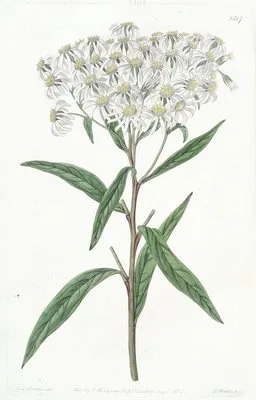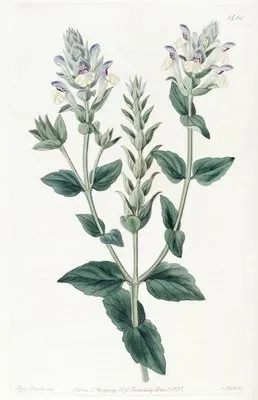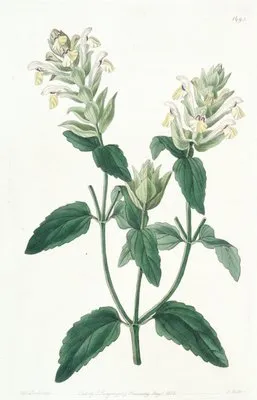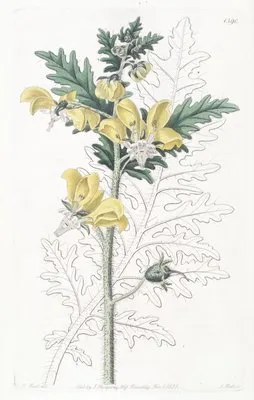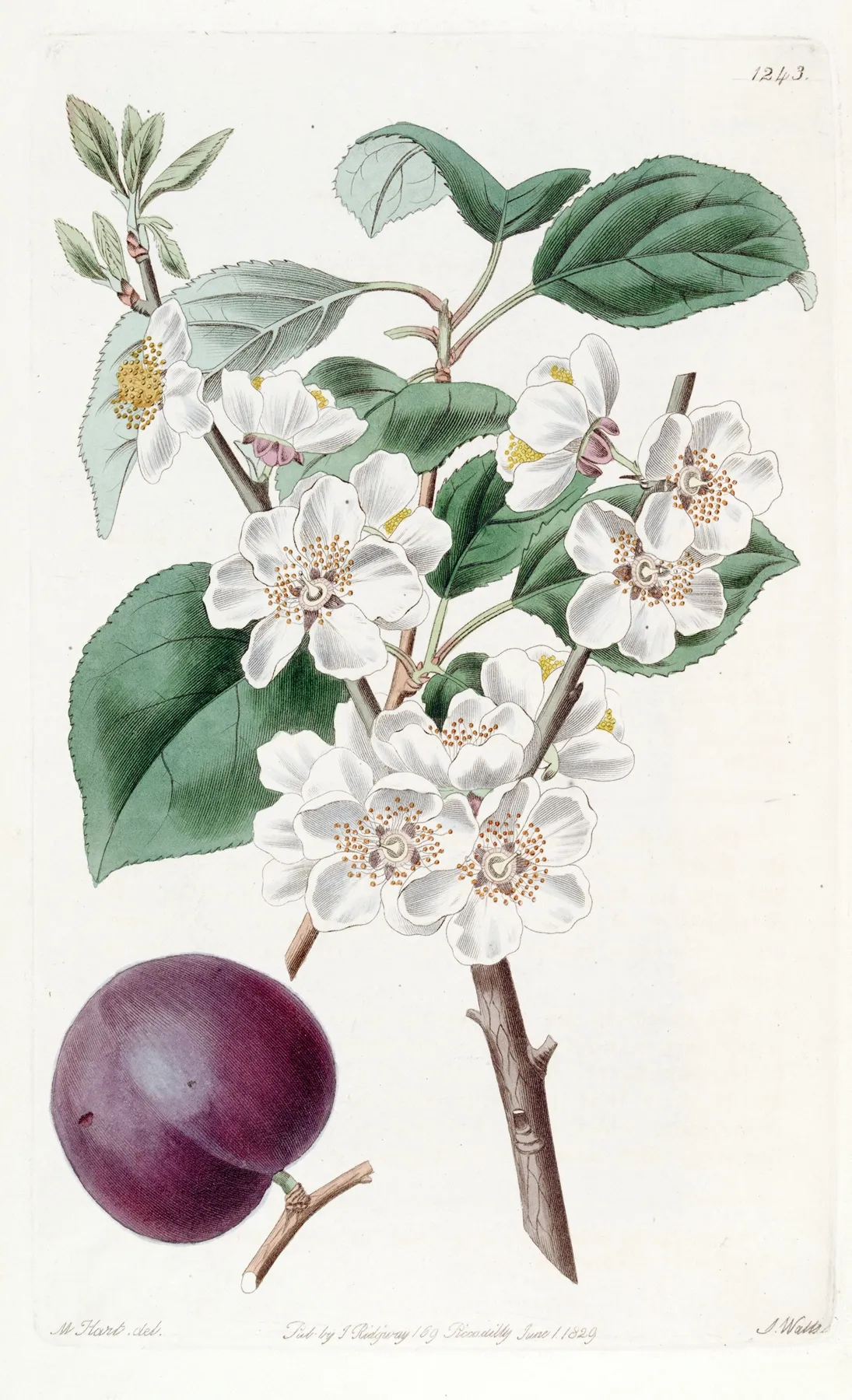
Purple-fruited Apricot
Tib bly|Purple-fruited Apricot
Purple-fruited Apricot
About this plate
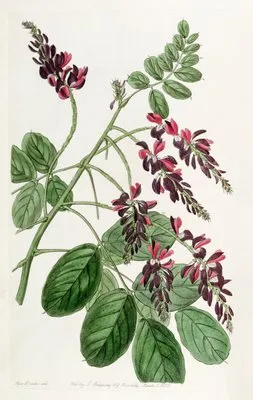
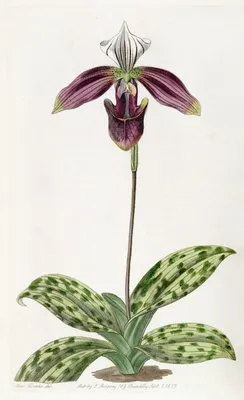
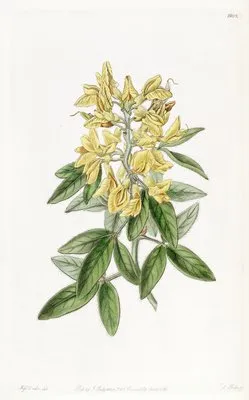
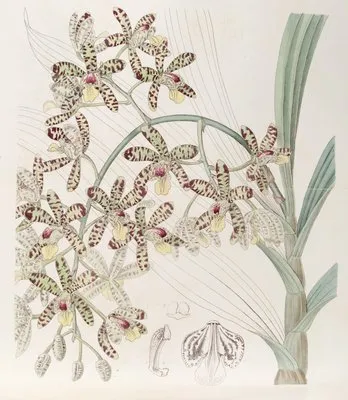
Purple-fruited Apricot is plate 896, from Edwards' Botanical Register, drawn by Sydenham Edwards, John Lindley. This public-domain plate is reproduced at high resolution, free to view and download. Publication: London, James Ridgway, 1829-1847.
Twelve ways of seeing
- measured cast crimson
- upright 1.64 : 1
- published 1829
- Plate 896
Not a catalogue entry but a way of looking: how to stand, what to notice, how the line was cut, when it flowers, where it came from, who made it — and then the poems and the classics that taught China to see the same flower. Read the twelve in order and the plate opens.
-
First Look
竖划三寸,当千仞之高;横墨数尺,体百里之迥。
—— 南朝宋·宗炳《画山水序》
A vertical stroke of three inches stands for a cliff of a thousand fathoms; a few feet of ink holds a hundred li.
The sheet is vertical: the eye climbs and settles in the upper half. Let the plant stand before you look for detail. Then step in close: watch where colour meets line, and whether the line ever breaks. Third, find the darkest small patch: the whole tonal order is measured from there. The pose leans right: the upper half carries 17 points further right than the lower — a living thing, not a diagram.
-
Name and Thing
No reliable binomial survives, so the printed title must serve. Neither name nor binomial survives: the printed title must do.
-
Form and Colour
Measured on this plate: flower colour covers 6.0% of the sheet, foliage 5.0%, the cast crimson with a second note of amber. No other plate shares exactly this measure. Fruit plates pair the whole fruit with a section: the outline identifies the variety, the cut reveals skin thickness, core size and seed arrangement — the evidence of registration.No colour group is recorded. Three things fix the habit: leaf arrangement, tepal count, and how the flower is borne.
-
Composition
Tall and narrow, the plant rising in one movement with generous margins — the upright format of most floras. (about 1.64 : 1) No details are appended: a plate for looking, not for keying out. The plant takes about 29% of the sheet, centred a little left of centre — the easy measure most florists kept to. Blank paper is not unfinished work: it is where the eye rests.
-
Line and Colour
The first half of the nineteenth century moved from copper to steel to lithography; stipple could render the softest transition. Take a loupe to three places: petal edge, leaf vein, caption. An unbroken line means engraving; colour crossing the outline means a hand.
-
Season
Late summer into autumn, variety by variety; a fruit portfolio spans the whole harvest. The year 1829 on the plate is that of publication, not of flowering — the gathering came a year or two earlier. The plate records ten days of peak; the other three hundred are leaf, fruit and rest.
-
Provenance
Temperate fruits came mostly from Eurasia, later from the Americas. Nineteenth-century nurseries printed varietal albums for trade and exhibition: every fruit on the page was a saleable claim. The volume was made in 1829-1847, when most of this knowledge came from living plants under glass.
-
The Book and the Hand
“Edwards' Botanical Register” was drawn by Sydenham Edwards, John Lindley and published 1829-1847. This plate is Plate 896. The image is public domain; the hand-colouring is still one person's hand.
-
Poetic Resonance
一年好景君须记,最是橙黄橘绿时。
—— 宋·苏轼《赠刘景文》
Remember the best of the year: the time of yellow oranges and green tangerines.
The poem gives the mood first and the picture supplies the form; set the line beside the plate and the fruit becomes its resting point.
-
The Written Tradition
主胸中瘕热逆气,利水谷。久服,去臭下气通神,一名橘皮。生川谷。
—— 神农本草经·橘柚第一百一十一
The Book of Songs has a quince given and a jade pendant returned — fruit as ritual gift already in pre-Qin China. Keep the line; it will surface the next time you meet the same plant.
-
Symbolism
In China the pomegranate means many sons, the peach long life, the orange good fortune; in Europe the apple is temptation and knowledge, the grape abundance and sacrifice. Flower language was added later; the flower knows nothing of it, and that innocence is part of its power.
-
What to Take Away
Next time you stand before a flowering plant, give it three minutes: leaf arrangement, direction of the flower, the darkest patch. The flower of that year is dust, yet its image on paper has outlived every living cousin.