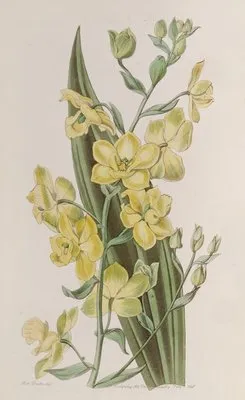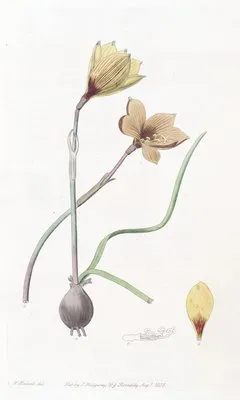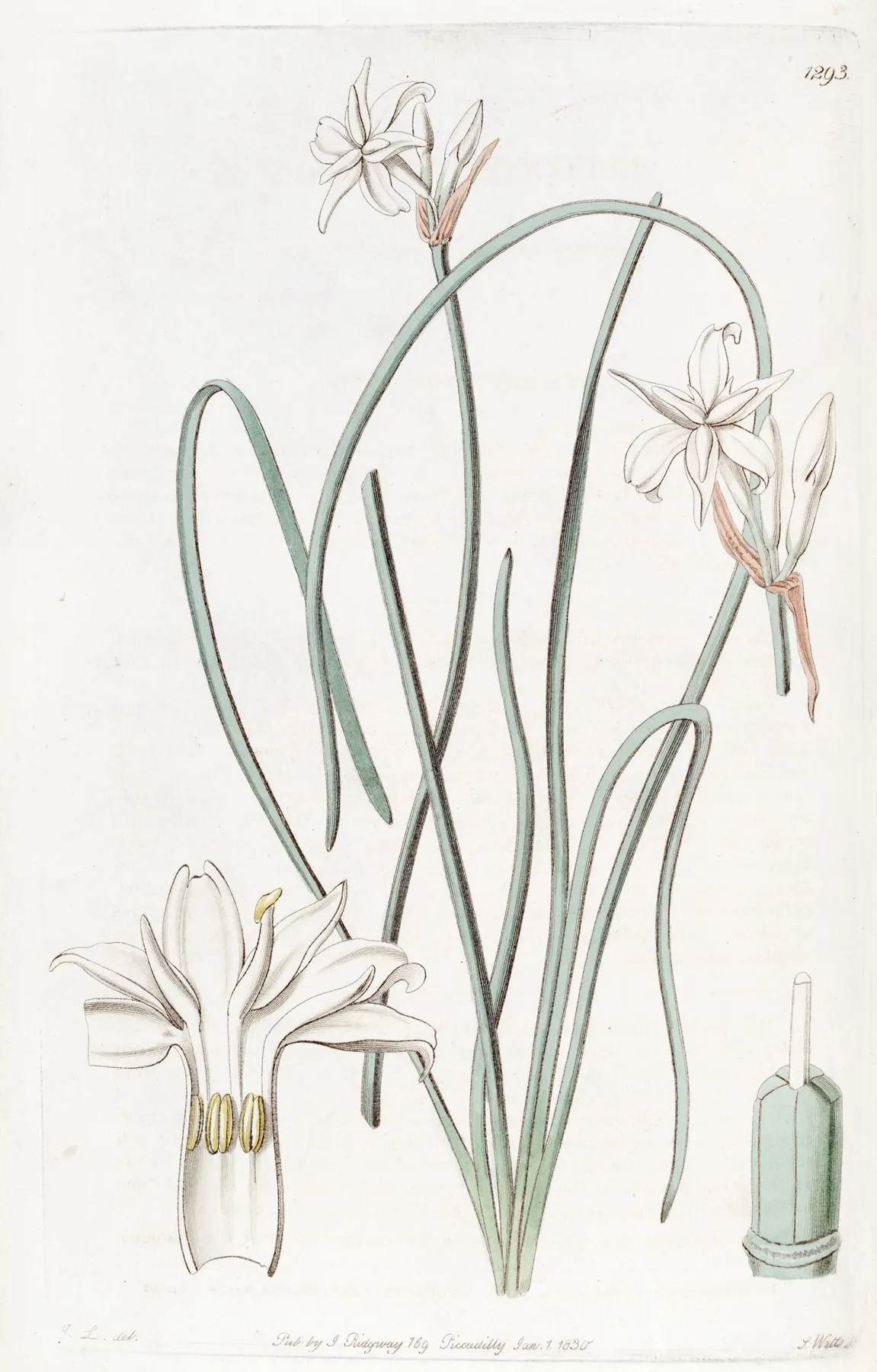
Sweet-scented Leucocoryne
Sweet-scented Leucocoryne
Sweet-scented Leucocoryne
About this plate
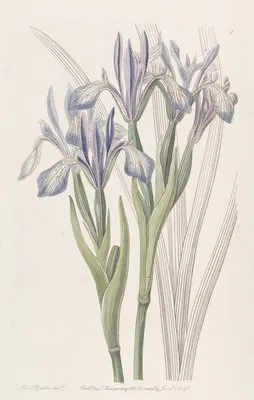
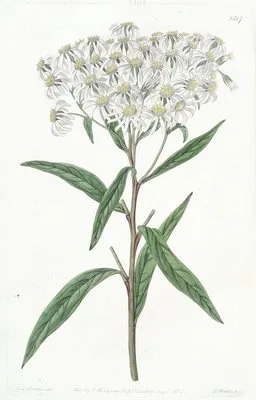
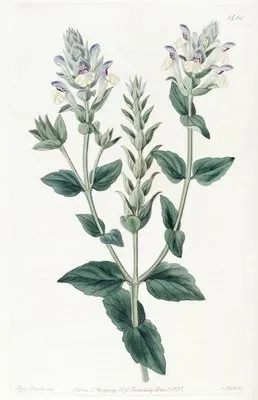
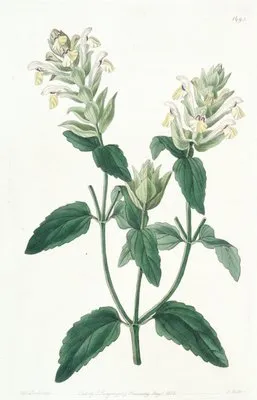
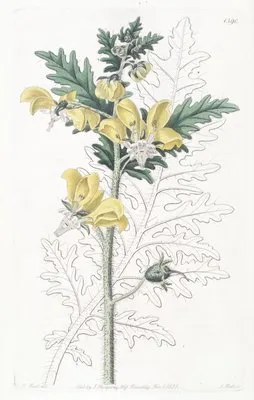
Sweet-scented Leucocoryne is plate 1153, from Edwards' Botanical Register, drawn by Sydenham Edwards, John Lindley. This public-domain plate is reproduced at high resolution, free to view and download. Publication: London, James Ridgway, 1829-1847.
Twelve ways of seeing
- measured cast amber
- upright 1.56 : 1
- published 1829
- Plate 1153
Not a catalogue entry but a way of looking: how to stand, what to notice, how the line was cut, when it flowers, where it came from, who made it — and then the poems and the classics that taught China to see the same flower. Read the twelve in order and the plate opens.
-
First Look
夫象物必在于形似,形似须全其骨气。
—— 唐·张彦远《历代名画记》
Likeness is the threshold; bone-and-breath is the point.
The sheet is vertical: the eye climbs and settles in the upper half. Let the plant stand before you look for detail. Then step in close: watch where colour meets line, and whether the line ever breaks. Third, find the darkest small patch: the whole tonal order is measured from there.
-
Name and Thing
No reliable binomial survives, so the printed title must serve. Neither name nor binomial survives: the printed title must do.
-
Form and Colour
Measured on this plate: flower colour is sparing, 0.8% of the sheet against 0.0% of foliage, the cast tending amber — as with pale or white blooms, outline and tone do the talking. A botanical plate: one plant lifted from field or glasshouse and set at the centre of the sheet, root, stem, leaf, flower and fruit in turn, made legible, citable, transmissible.No colour group is recorded. Read the outline, then the colour layers, then the brush.
-
Composition
Tall and narrow, the plant rising in one movement with generous margins — the upright format of most floras. (about 1.56 : 1) No details are appended: a plate for looking, not for keying out. The plant covers only 14% of the sheet, centred below centre; the emptiness is where the eye rests. Old plates set the plant slightly off centre, with unequal margins — that small imbalance is what keeps it alive.
-
Line and Colour
The first half of the nineteenth century moved from copper to steel to lithography; stipple could render the softest transition. Craft leaves franker evidence than inscriptions.
-
Season
Plates usually record flowering, the fortnight when a plant is most identifiable; the rest of the year it is only a mass of leaves. The year 1829 on the plate is that of publication, not of flowering — the gathering came a year or two earlier. Note the season. Phenology is the most practical tool of appreciation.
-
Provenance
Various: local hillside or a plant brought from overseas. The nineteenth-century botanic garden and glasshouse were their first address away from home. In the same volume the kin are shelved together; set several plates side by side.
-
The Book and the Hand
“Edwards' Botanical Register” was drawn by Sydenham Edwards, John Lindley and published 1829-1847. This plate is Plate 1153. The image is public domain; the hand-colouring is still one person's hand.
-
Poetic Resonance
朝饮木兰之坠露兮,夕餐秋菊之落英。
—— 战国·屈原《离骚》
At dawn I drink the dew fallen from magnolia; at dusk I dine on the fallen petals of autumn chrysanthemum.
The poem gives the mood first and the picture supplies the form; set the line beside the plate and the corolla becomes its resting point.
-
The Written Tradition
庭下如积水空明,水中藻荇交横,盖竹柏影也。
—— 宋·苏轼《记承天寺夜游》
The courtyard seemed flooded with clear water, weeds crossing in it — in fact the shadows of bamboo and cypress.
China had the Bencao Gangmu and the Illustrated Study of Plant Names and Realities; Europe moved from herbal woodcuts to chromolithography. Both trusted pictures to finish what words could not. Keep the line; it will surface the next time you meet the same plant.
-
Symbolism
The symbolism of such a plate lies not in flower lore but in record: the belief that a plant deserves to be drawn accurately — the plainest ethic of the scientific age. Flower language was added later; the flower knows nothing of it, and that innocence is part of its power.
-
What to Take Away
If you keep one line, keep Guo Xi's: from afar its momentum, up close its texture. A flora exists to be consulted; look long enough and you forget to consult — someone in 1829 gave a whole day to a single flower.