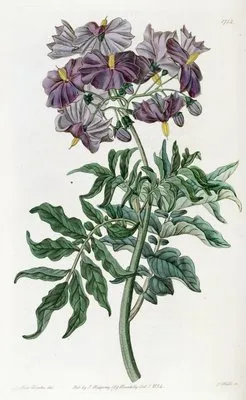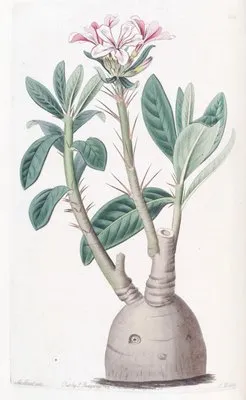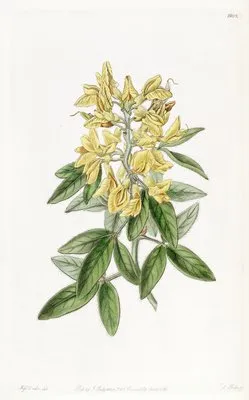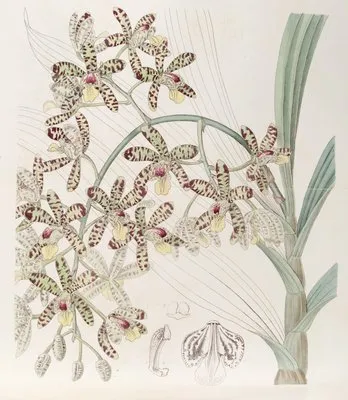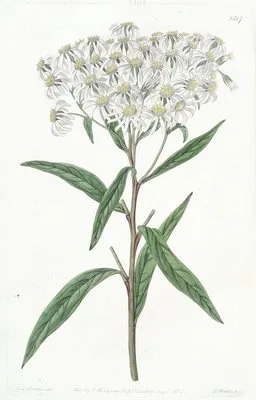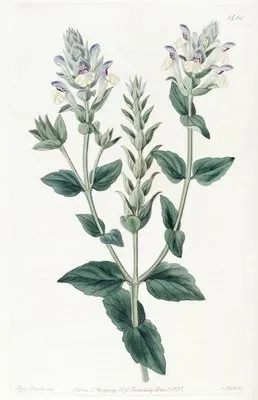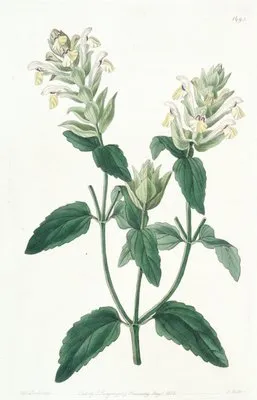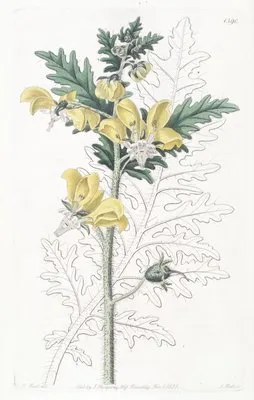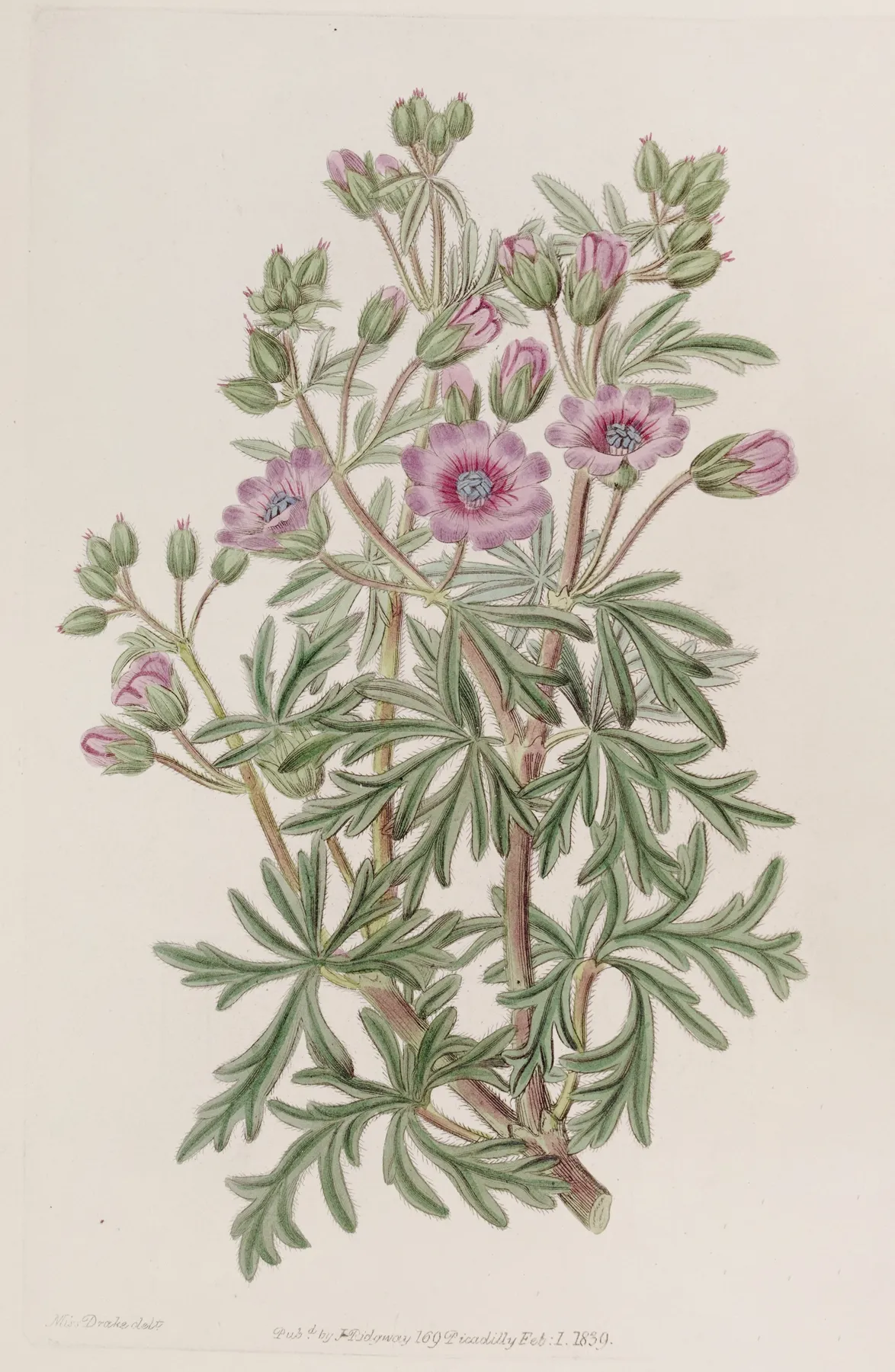
Tuberous Geranium, branched variety
Drake lel|Tuberous Geranium, branched variety
Tuberous Geranium, branched variety
About this plate
Tuberous Geranium, branched variety is plate 1333, from Edwards' Botanical Register, drawn by Sydenham Edwards, John Lindley. This public-domain plate is reproduced at high resolution, free to view and download. Publication: London, James Ridgway, 1829-1847.
Twelve ways of seeing
- measured cast yellow-green
- upright 1.53 : 1
- published 1829
- Plate 1333
Not a catalogue entry but a way of looking: how to stand, what to notice, how the line was cut, when it flowers, where it came from, who made it — and then the poems and the classics that taught China to see the same flower. Read the twelve in order and the plate opens.
-
First Look
凡画山水,意在笔先。
—— 唐·王维《山水论》
In painting, the intention precedes the brush.
The sheet is vertical: the eye climbs and settles in the upper half. Let the plant stand before you look for detail. Then step in close: watch where colour meets line, and whether the line ever breaks. Third, find the darkest small patch: the whole tonal order is measured from there.
-
Name and Thing
The binomial is Tuberous geranium: the first word is the genus it belongs among, the second the epithet that sets it apart. Two words carry a whole provenance. No established Chinese name exists, so it is cited by its binomial alone.
-
Form and Colour
Measured on this plate: flower colour covers 6.9% of the sheet, foliage 4.1%, the cast yellow-green with a second note of amber. No other plate shares exactly this measure. Garden annuals and low perennials: many small, brilliantly coloured flowers to a stem, with leaves palmately lobed, pinnate or entire — the mainstay of the Victorian bedding scheme.No colour group is recorded. Three things fix the habit: leaf arrangement, tepal count, and how the flower is borne.
-
Composition
Tall and narrow, the plant rising in one movement with generous margins — the upright format of most floras. (about 1.53 : 1) No details are appended: a plate for looking, not for keying out. The plant takes about 33% of the sheet, centred near the centre — the easy measure most florists kept to. Cover the margins with your thumb and the plate suffocates; uncover them and the flower breathes again.
-
Line and Colour
The first half of the nineteenth century moved from copper to steel to lithography; stipple could render the softest transition. Take a loupe to three places: petal edge, leaf vein, caption. An unbroken line means engraving; colour crossing the outline means a hand.
-
Season
Late spring to early autumn, June through September; under glass they could be had from March. The year 1829 on the plate is that of publication, not of flowering — the gathering came a year or two earlier. Note the season. Phenology is the most practical tool of appreciation.
-
Provenance
Gathered from everywhere by plant hunters and the glasshouse trade: pelargoniums from South Africa, campanulas from European mountains, lobelias from North America, fuchsias from Chile. The localities on the plate are those of a century ago; plants travel and places change their names.
-
The Book and the Hand
“Edwards' Botanical Register” was drawn by Sydenham Edwards, John Lindley and published 1829-1847. This plate is Plate 1333. The image is public domain; the hand-colouring is still one person's hand.
-
Poetic Resonance
常苦沙崩损药栏,也从江槛落风湍。
—— 唐·杜甫《將赴成都草堂途中有作先寄嚴鄭公五首 四》
The poem gives the mood first and the picture supplies the form; set the line beside the plate and the corolla becomes its resting point.
-
The Written Tradition
论画以形似,见与儿童邻。
—— 宋·苏轼《书鄢陵王主簿所画折枝》
To judge a painting by likeness alone is the view of a child.
China had its own gardening literature — Chen Haozi's Hua Jing on courtyard planting — which, like European bedding, brought wild plants down to human scale. The difference is not of quality but of question: Europe asks what it is, China asks whom it resembles.
-
Symbolism
Bedding plants carry no imperial weight; they mean the everyday — window sill, border, festival, gift. Victorian floriography grew up among exactly these flowers. Flower language was added later; the flower knows nothing of it, and that innocence is part of its power.
-
What to Take Away
Carry three rules away: whole before detail; line before colour; picture before book. Two centuries on, the plant may still flower in some garden; the one on this sheet stopped in the season of 1829.