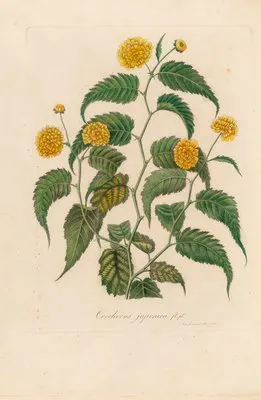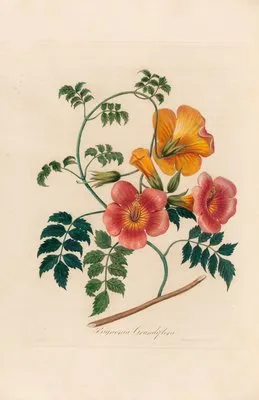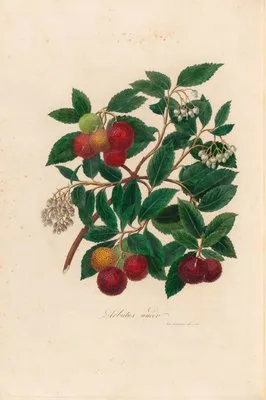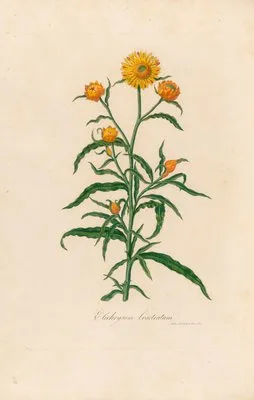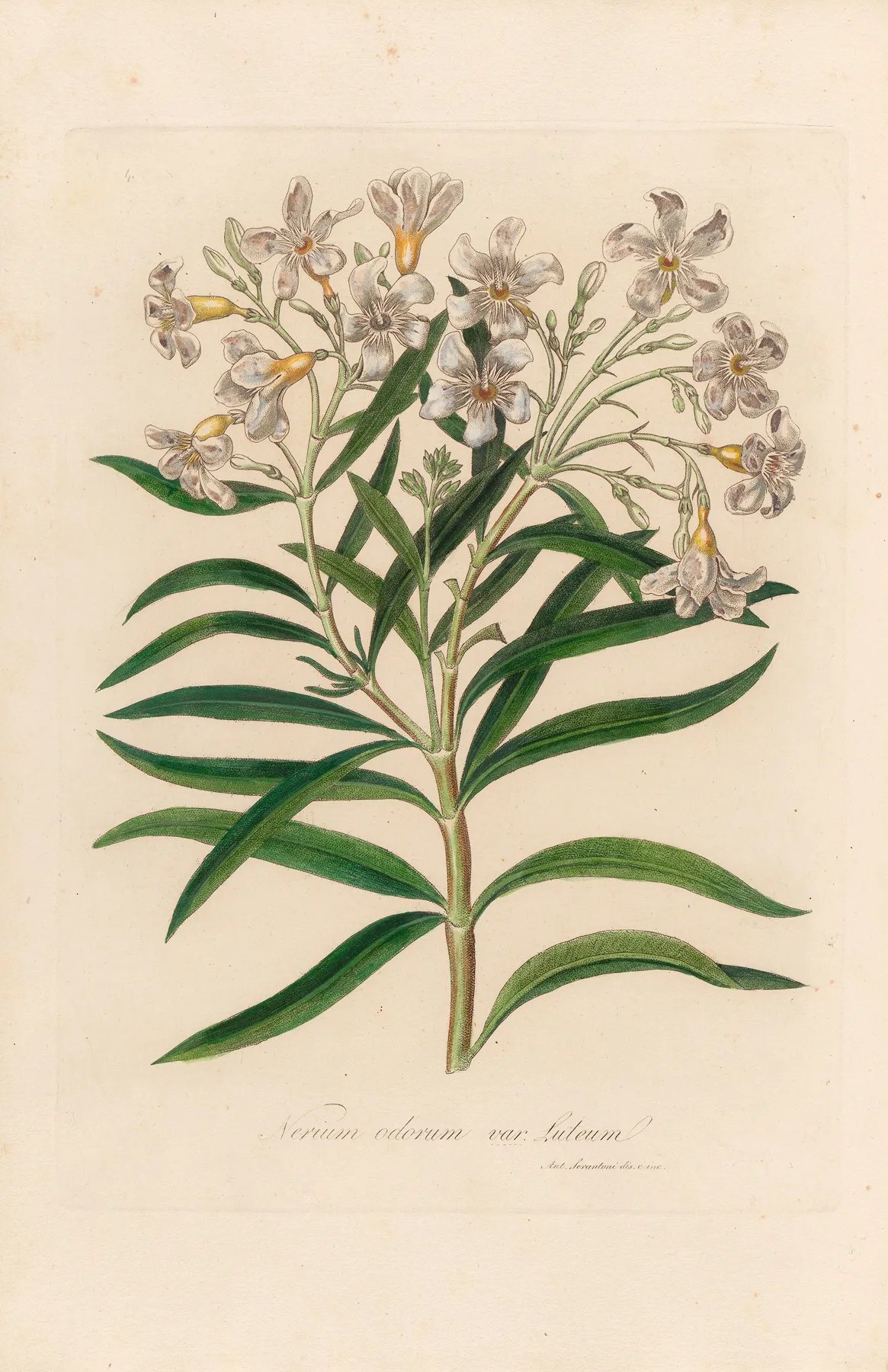
Nerium odorum var. lutuem
夹竹桃属·Nerium odorum|夹竹桃属
Nerium odorum var. lutuem
About this plate
Nerium odorum var. lutuem is plate 14, from Flora Italiana, drawn by Gaetano Savi. This public-domain plate is reproduced at high resolution, free to view and download. Publication: Pisa, Pressa Niccolò Capurro, 1818-1824.
Twelve ways of seeing
- measured cast amber
- upright 1.55 : 1
- published 1818
- Plate 14
Not a catalogue entry but a way of looking: how to stand, what to notice, how the line was cut, when it flowers, where it came from, who made it — and then the poems and the classics that taught China to see the same flower. Read the twelve in order and the plate opens.
-
First Look
夫象物必在于形似,形似须全其骨气。
—— 唐·张彦远《历代名画记》
Likeness is the threshold; bone-and-breath is the point.
The sheet is vertical: the eye climbs and settles in the upper half. Let the plant stand before you look for detail. Then step in close: watch where colour meets line, and whether the line ever breaks. Third, find where the orange is deepest: the whole tonal order is measured from that patch.
-
Name and Thing
The binomial is Nerium odorum: the first word is the genus it belongs among, the second the epithet that sets it apart. Two words carry a whole provenance. The Chinese name 夹竹桃属 is a modern rendering of the Latin, not an old garden name.
-
Form and Colour
Measured on this plate: flower colour covers 8.1% of the sheet, foliage 10.4%, the cast amber with a second note of yellow-green. No other plate shares exactly this measure. Flowering trees and shrubs put out branches first; blossoms open before or with the leaves, usually five thin, translucent petals around a cluster of fine stamens. Filed under orange — an amber orange, built in washes from a pale ground. Read the outline, then the colour layers, then the brush.
-
Composition
Tall and narrow, the plant rising in one movement with generous margins — the upright format of most floras. (about 1.55 : 1) No details are appended: a plate for looking, not for keying out. The plant covers only 20% of the sheet, centred above centre; the emptiness is where the eye rests. Cover the margins with your thumb and the plate suffocates; uncover them and the flower breathes again.
-
Line and Colour
The first half of the nineteenth century moved from copper to steel to lithography; stipple could render the softest transition. Decide first whether it was printed or painted; only then discuss whether it is beautiful.
-
Season
Mid spring: plum first, then peach and apricot, cherry last — the season keeps its order. The year 1818 on the plate is that of publication, not of flowering — the gathering came a year or two earlier. The plate records ten days of peak; the other three hundred are leaf, fruit and rest.
-
Provenance
East Asia and temperate Eurasia. Plum, peach and apricot are Chinese in origin, grown for three thousand years; cherry and crabapple went east to Japan and west to Europe. The volume was made in 1818-1824, when most of this knowledge came from living plants under glass.
-
The Book and the Hand
“Flora Italiana” was drawn by Gaetano Savi and published 1818-1824. This plate is Plate 14. The image is public domain; the hand-colouring is still one person's hand.
-
Poetic Resonance
桃之夭夭,灼灼其华。
—— 《诗经·周南·桃夭》
The peach tree, young and graceful, its blossoms blazing bright.
The poem gives the mood first and the picture supplies the form; set the line beside the plate and the orange the corolla becomes its resting point.
-
The Written Tradition
人无癖不可与交,以其无深情也。
—— 明·张岱《陶庵梦忆》
Never make a friend of a man without an obsession: he has no deep feeling.
Lin Bu of Hangzhou famously took the plum as his wife and the crane as his son; the Book of Songs already used peach blossom to open a wedding song. Keep the line; it will surface the next time you meet the same plant.
-
Symbolism
Plum is solitude, peach is marriage, apricot is spring itself, crabapple is a fragile fate; the hibiscus, opening at dawn and falling at dusk, is impermanence. This plate leans orange, which in flower language adds one more degree of feeling. Meanings change their tune: the same flower can say opposite things within a century.
-
What to Take Away
Next time you stand before a flowering plant, give it three minutes: leaf arrangement, direction of the flower, the darkest patch. The flower of that year is dust, yet its image on paper has outlived every living cousin.