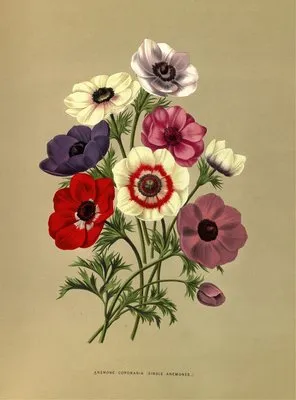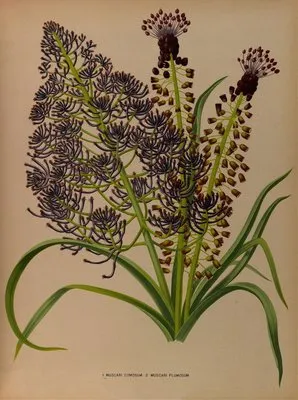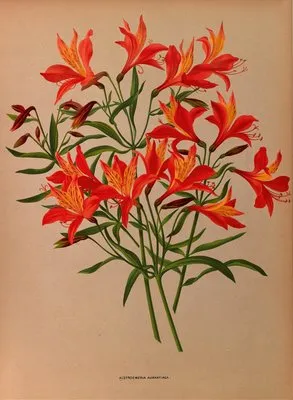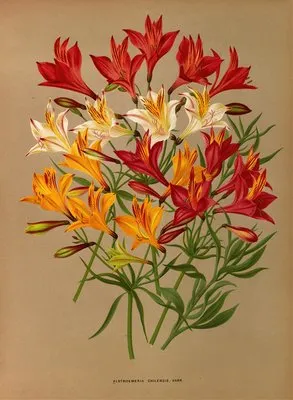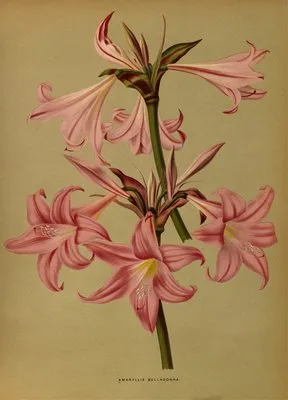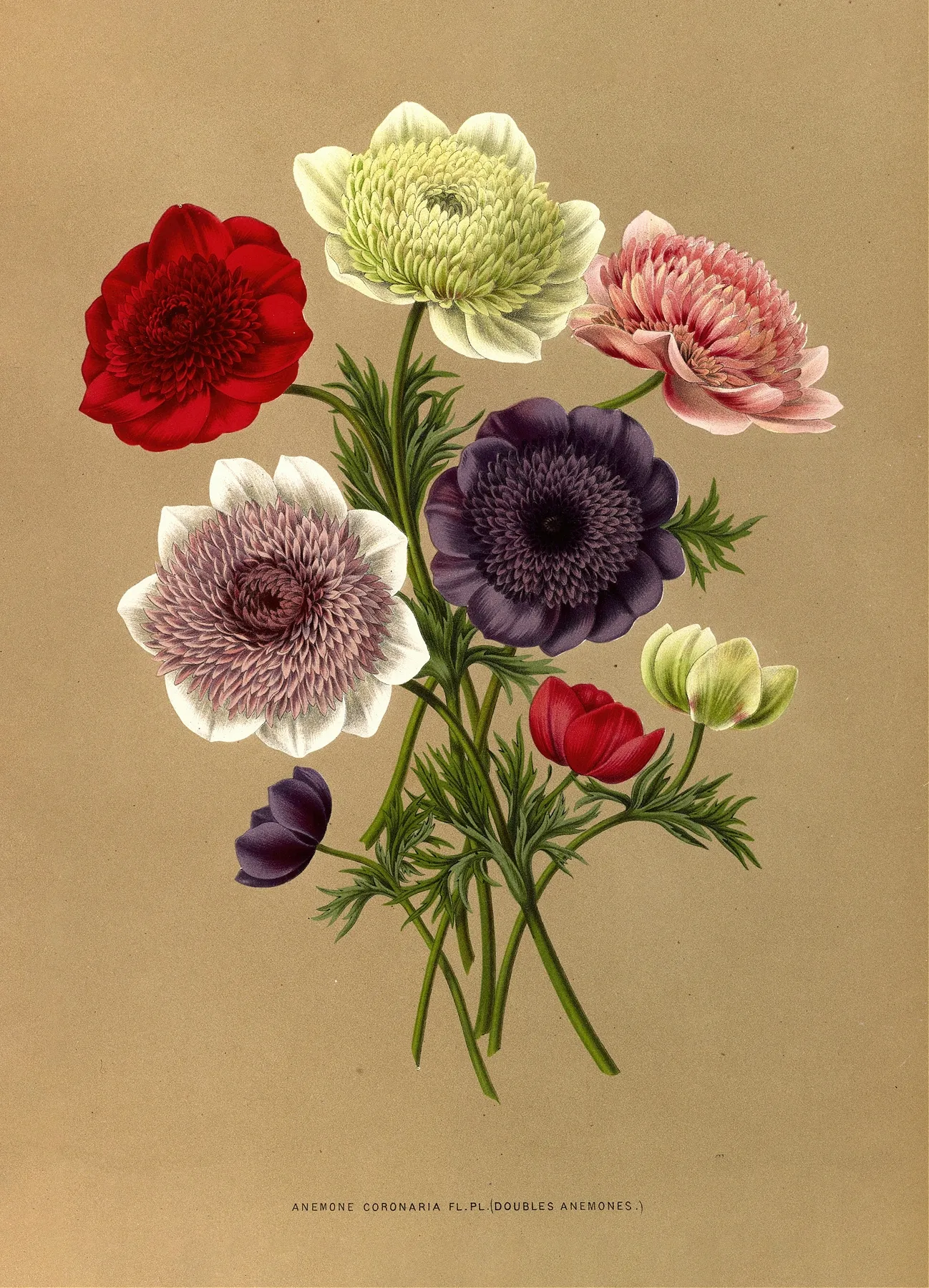
Anemone Coronaria Fl. Pl. (Doubles Anemones)
Anemone Coronaria Fl. Pl. (Doubles Anemones)
Anemone Coronaria Fl. Pl. (Doubles Anemones)
About this plate
Anemone Coronaria Fl. Pl. (Doubles Anemones) is plate 8, from Haarlem's Flora, drawn by Arentine H. Arendsen. This public-domain plate is reproduced at high resolution, free to view and download. Publication: Haarlem : 1872-1881..
Ten ways of seeing
- measured cast red
- upright 1.39 : 1
- published 1872
- Plate 8
Not a catalogue entry but a way of looking: how to stand, what to notice, how the line was cut — then, halfway, a line of Chinese poetry: how the ancients saw this same flower. After it, the flower's language, its season and homeland, its book; and at the end one line of classical prose — and a pair of eyes to take away.
-
First Look
六法者何?一、气韵生动是也;二、骨法用笔是也;三、应物象形是也;四、随类赋彩是也;五、经营位置是也;六、传移模写是也。
—— 南齐·谢赫《古画品录》
The six laws: spirit resonance alive; bone-method in the brush; matching form; colour by kind; planning the placing; copying the masters.
The sheet is vertical: the eye climbs and settles in the upper half. Let the plant stand before you look for detail. Then step in close: watch where colour meets line, and whether the line ever breaks. Third, find where the orange is deepest: the whole tonal order is measured from that patch.
-
Name and Thing
Only the genus Anemone is given; species-level names came later. No established Chinese name exists, so it is cited by its binomial alone.
-
Form and Colour
Measured on this plate: flower colour covers 17.7% of the sheet, foliage 2.8%, the cast red with a second note of yellow-green. No other plate shares exactly this measure. Bulbous plants store the year underground — bulb, corm or tuber — then send up a few thick leaves and a single scape, with six tepals in cup, funnel or star. Filed under orange — an amber orange, built in washes from a pale ground. A single plant, laid out with nothing hidden.
-
Composition
Tall and narrow, the plant rising in one movement with generous margins — the upright format of most floras. (about 1.39 : 1) No details are appended: a plate for looking, not for keying out. The plant covers only 26% of the sheet, centred above centre; the emptiness is where the eye rests. Cover the margins with your thumb and the plate suffocates; uncover them and the flower breathes again.
-
Line and Colour
In the later nineteenth century chromolithography took over: colour printed rather than painted, line demoted. Decide first whether it was printed or painted; only then discuss whether it is beautiful. If you mean to copy it: block in the broad shapes and colours first, detail last; lithographic softness comes from thin washes — two or three pale layers will get you close.
-
Poetic Resonance
郁金垂嫩柳,罯画委高笼。
—— 唐·元稹《春六十韻》
The poem gives the mood first and the picture supplies the form; set the line beside the plate and the orange the corolla becomes its resting point.
-
Symbolism
The tulip was an imperial emblem in Istanbul and a speculative bubble in Amsterdam; the hyacinth sprang from a boy's blood in Greek myth. What bulbs share is concealment: next year kept underground. This plate leans orange, which in flower language adds one more degree of feeling. Meanings change their tune: the same flower can say opposite things within a century.
-
Season and Place
Early spring to early summer, genus by genus: tulips and hyacinths first, gladiolus and amaryllis later. South African bulbs filled European glasshouses after 1800. The year 1872 on the plate is that of publication, not of flowering — the gathering came a year or two earlier. The bud and the ripe fruit on one branch tell the season; the name in the title often tells the journey.
-
The Book and the Hand
“Haarlem's Flora” was drawn by Arentine H. Arendsen and published 1872-1881. This plate is Plate 8. The image is public domain; the hand-colouring is still one person's hand.
-
The Written Tradition
人无癖不可与交,以其无深情也。
—— 明·张岱《陶庵梦忆》
Never make a friend of a man without an obsession: he has no deep feeling.
Li Bai's 'orchid wine, fragrant with yujin' is often misread as tulips; the Tang yujin was a turmeric-like root used to scent wine — same name, different plant. You need not parse every word: take the line, and the flower acquires a second face.
What to Take Away
Carry three rules away: whole before detail; line before colour; picture before book. Two centuries on, the plant may still flower in some garden; the one on this sheet stopped in the season of 1872.