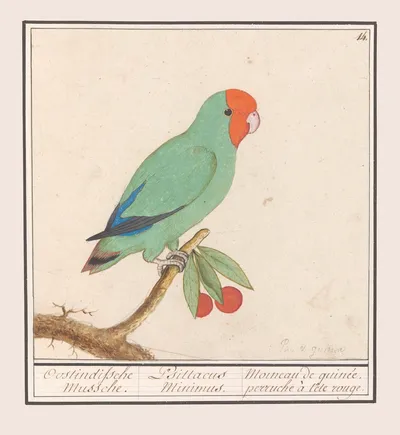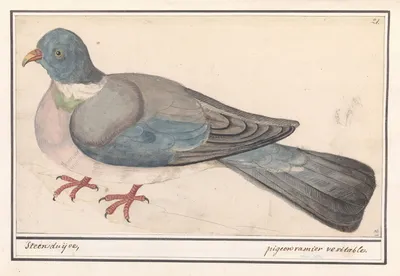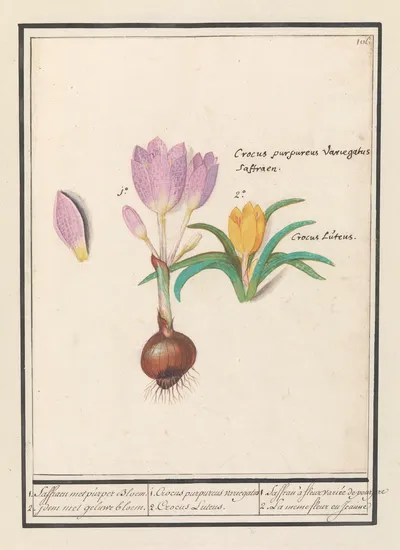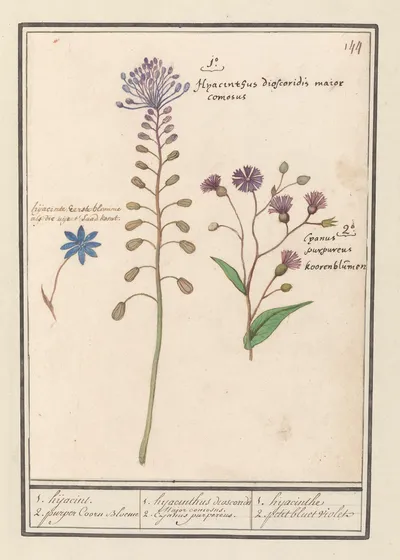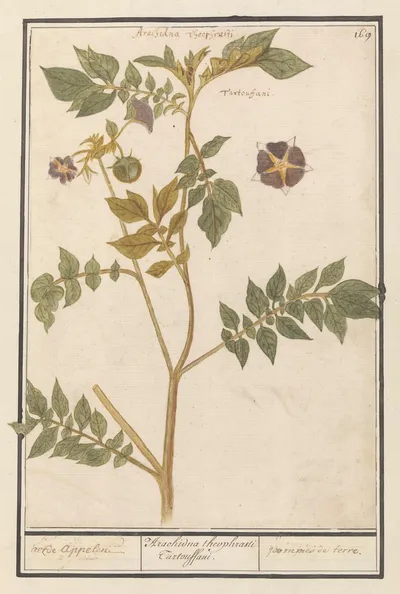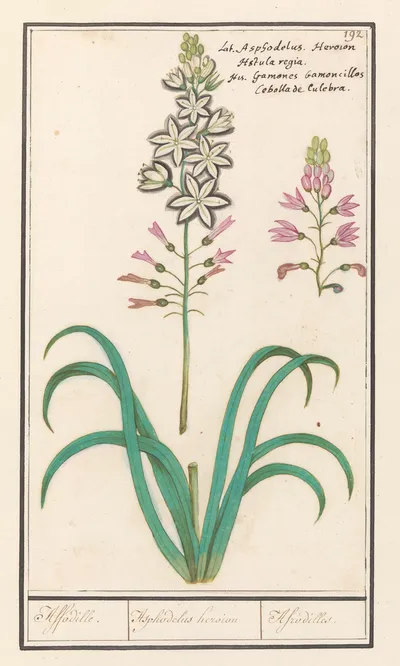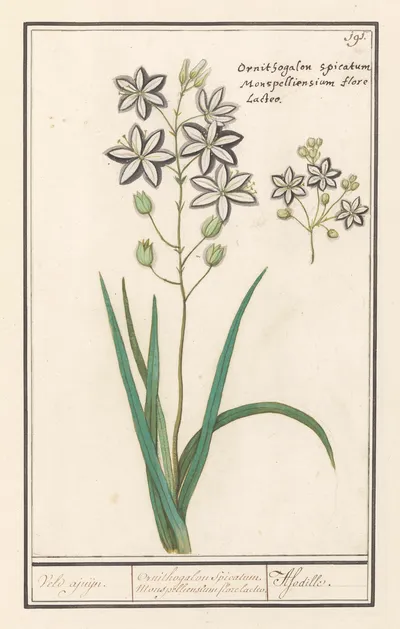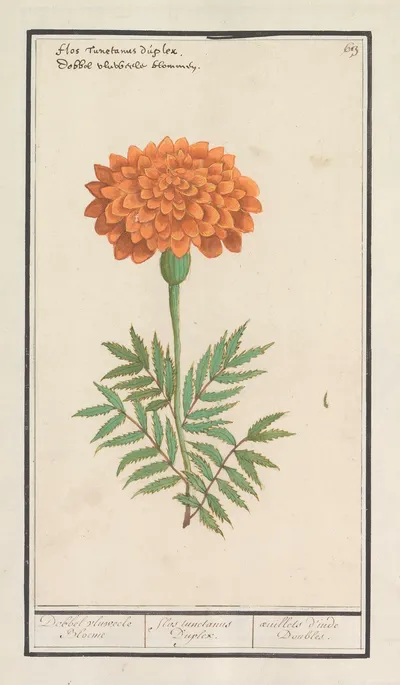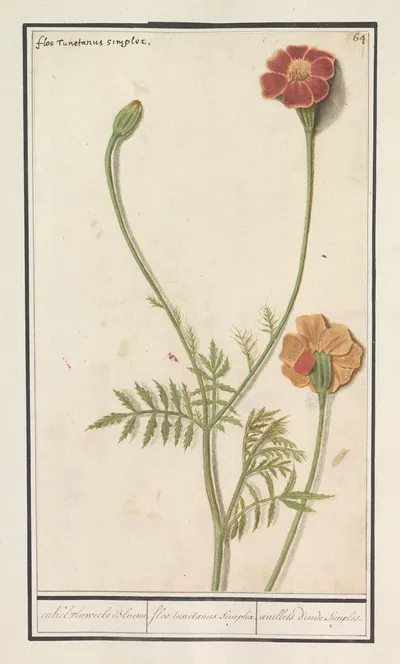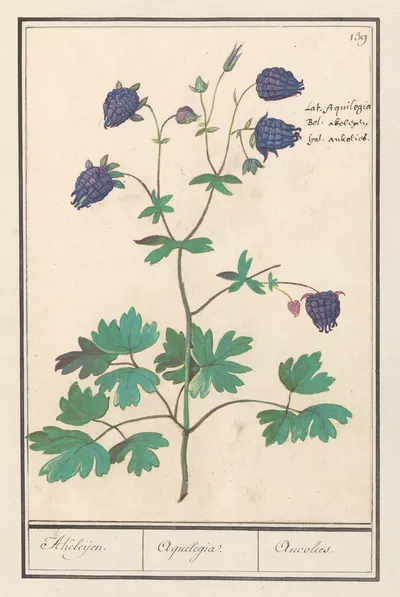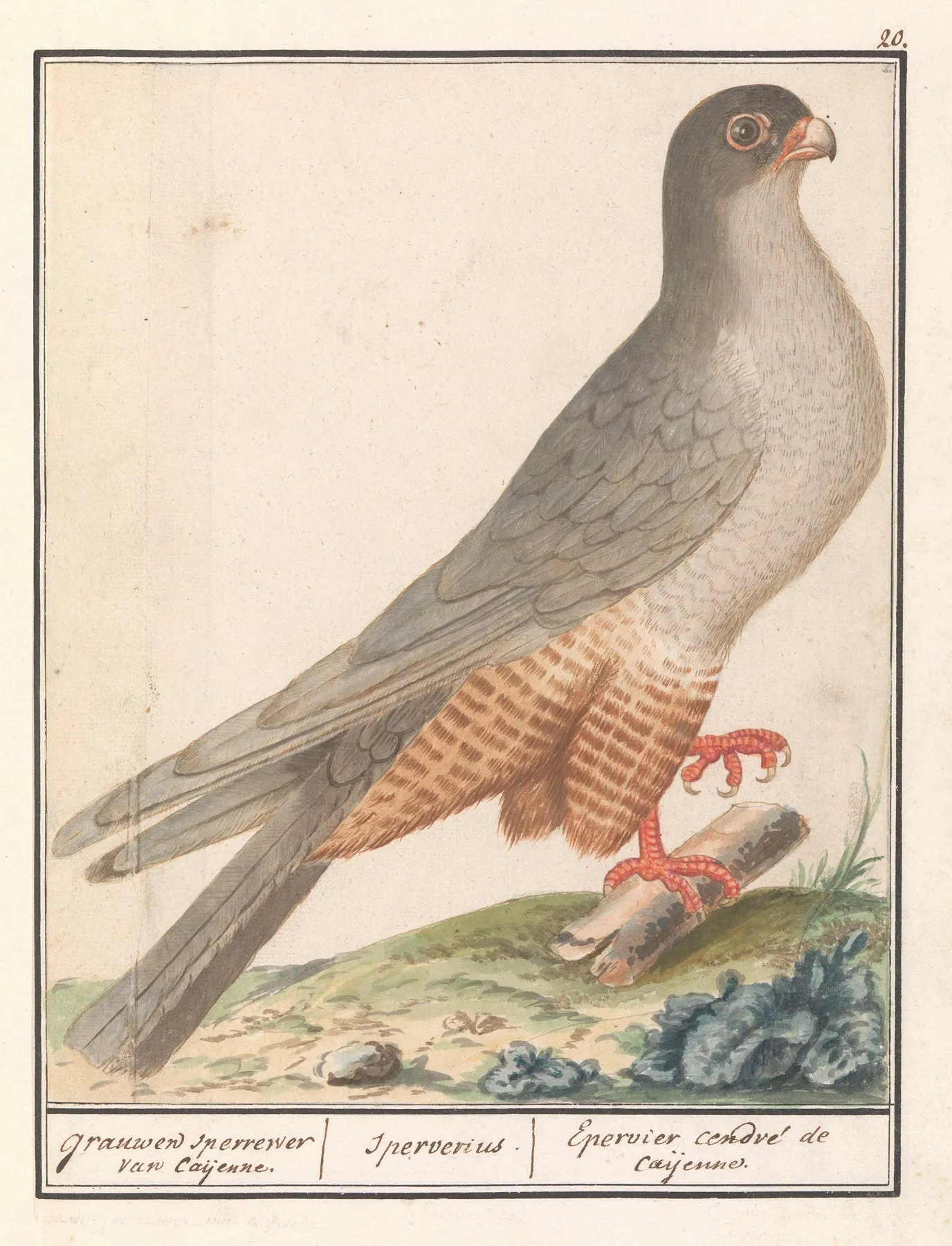
Roodpootvalk (Falco vespertinus) grauwen sperrewe van Caijenne. Sperverius. Epervier cendré de caijenne (1596-1610)
Ten ways of seeing
- upright 1.31 : 1
First Look
真山水之川谷,远望之以取其势,近看之以取其质。
—— 宋·郭熙《林泉高致·山水训》
Mountains and valleys: from afar take their momentum, up close take their texture — the two distances from which any picture is read.
The sheet is vertical: the eye climbs and settles on the bird. Take the posture before the plumage. Then step in close: watch where colour meets line, and whether the line ever breaks. Third, find the darkest small patch: the whole tonal order is measured from there.
Name and Thing
Only the genus Falco is given; species-level names came later. No established Chinese name exists, so it is cited by its binomial alone.
Form and Colour
Bird plates usually choose the perched pose: one foot gripping, one loose, the flight feathers laid in first, coverts over them, then the horny gleam of bill and eye.No colour group is recorded. A single plant, laid out with nothing hidden.
Composition
Tall and narrow, the bird perched mid-branch with generous margins above and below. No details are appended: a plate for looking, not for keying out. Blank paper is not unfinished work: it is where the eye rests.
Line and Colour
Before 1700 most botanical figures came from woodcut: thick, hard lines in relief, colour brushed on afterwards. There is evidence on the back too: the plate mark pressed into the paper, the slight relief of the pigment, lines worn shallow in a later printing. If you mean to copy it: take its skeleton, its margins and the order of its colours; the burin's hatching is the language of copper — suggest it with pencil density, do not imitate it stroke for stroke.
Poetic Resonance
是梦他松后追轩冕,是化为鹤后去山林。
—— 宋·辛弃疾《最高楼》
The poem gives the mood first and the picture supplies the form; set the line beside the plate and the bird itself becomes its resting point.
Symbolism
In China the crane is longevity, the magpie joy, the wild goose a letter, the eagle prowess; in the Americas each bird carries a different totem. One bird, unrelated meanings. In a flora it is a species first and a symbol second; the order is worth keeping.
Season and Place
Bound to migration: north in spring, south in autumn, each species answering to a few weeks. Audubon's plates often read 'adult, spring' — plumage at its height. Audubon's Birds of America (1827–1838) came from specimens he shot himself, wired into lifelike poses and drawn from life — which is why the birds look so alive, and why the method is uncomfortable. The year 1596 on the plate is that of publication, not of flowering — the gathering came a year or two earlier. Read the locality and the flowering season both with a discount: one is hearsay, the other a ten-day peak.
The Book and the Hand
“Historia Naturalis van Rudolf” carries only Anselmus Boëtius de Boodt's name. A plate is collective work: drawer, engraver and colourist were different hands, and the unnamed ones decided how good it looks.
What to Take Away
Appreciation is not knowledge but habit — one more look each time. Two centuries on, the plant may still flower in some garden; the one on this sheet stopped in the season of 1596.