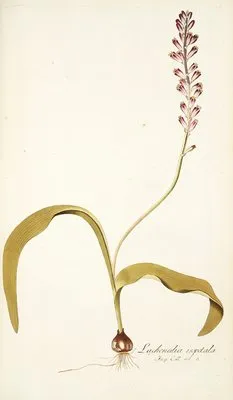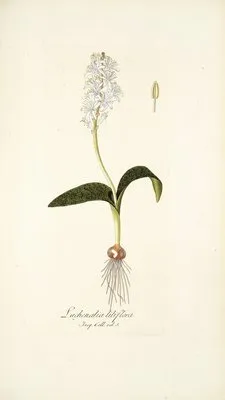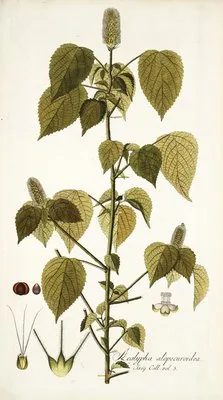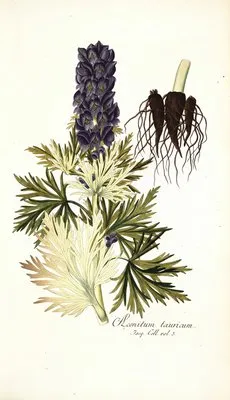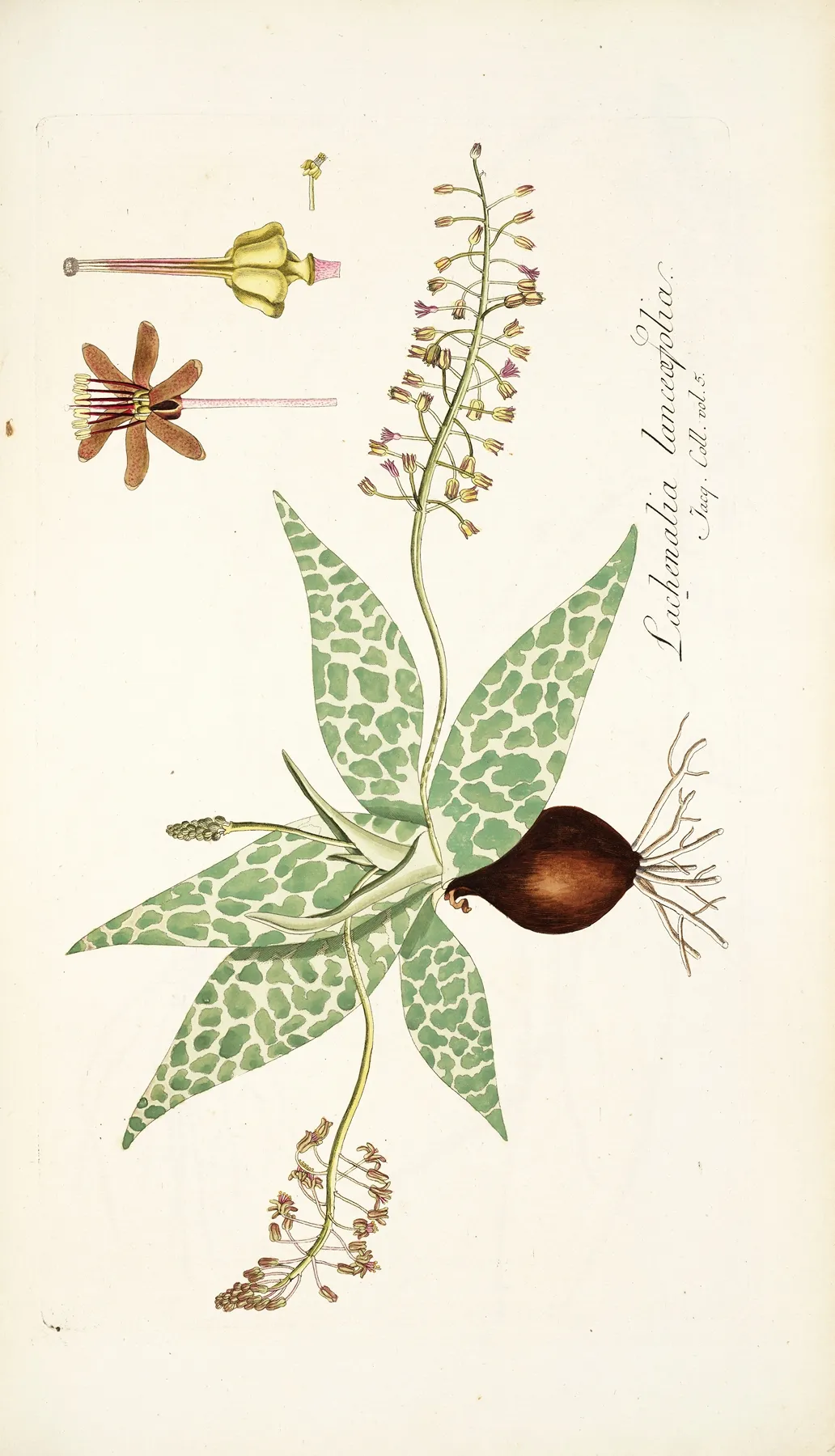
Lachenalia lanceaefolia
立金花属
Lachenalia lanceaefolia
Ten ways of seeing
- measured cast yellow-green
- upright 1.74 : 1
First Look
六法者何?一、气韵生动是也;二、骨法用笔是也;三、应物象形是也;四、随类赋彩是也;五、经营位置是也;六、传移模写是也。
—— 南齐·谢赫《古画品录》
The six laws: spirit resonance alive; bone-method in the brush; matching form; colour by kind; planning the placing; copying the masters.
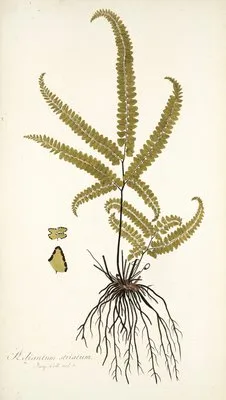
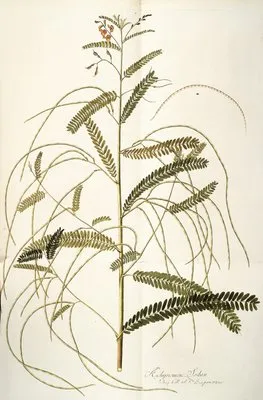
The sheet is vertical: the eye climbs and settles in the upper half. Let the plant stand before you look for detail. Then step in close: watch where colour meets line, and whether the line ever breaks. Third, find the darkest small patch: the whole tonal order is measured from there.
Name and Thing
The binomial is Lachenalia lanceaefolia: the first word is the genus it belongs among, the second the epithet that sets it apart. Two words carry a whole provenance. The Chinese name 立金花属 is a modern rendering of the Latin, not an old garden name.
Form and Colour
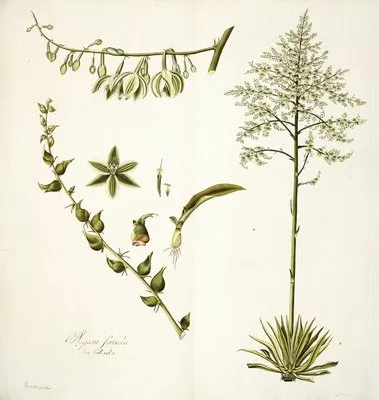
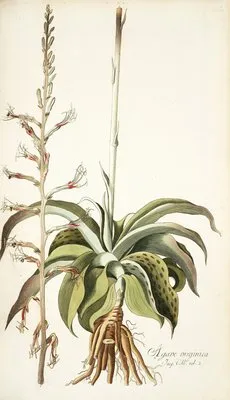
Measured on this plate: flower colour covers 4.5% of the sheet, foliage 5.7%, the cast yellow-green with a second note of amber. No other plate shares exactly this measure. Bulbous plants store the year underground — bulb, corm or tuber — then send up a few thick leaves and a single scape, with six tepals in cup, funnel or star.No colour group is recorded. Three things fix the habit: leaf arrangement, tepal count, and how the flower is borne.
Composition
The sheet is tall. No details are appended: a plate for looking, not for keying out. The plant covers only 12% of the sheet, centred near the centre; the emptiness is where the eye rests.
Line and Colour
Eighteenth-century plates are mostly copper engraving: hatched lines for shadow, then hand-colouring by another hand. Decide first whether it was printed or painted; only then discuss whether it is beautiful. If you mean to copy it: take its skeleton, its margins and the order of its colours; the burin's hatching is the language of copper — suggest it with pencil density, do not imitate it stroke for stroke.
Poetic Resonance
不语亭亭俨薄妆,画裙双凤郁金香。
—— 唐·杜牧《偶呈鄭先輩》
The poem gives the mood first and the picture supplies the form; set the line beside the plate and the corolla becomes its resting point.
Symbolism
The tulip was an imperial emblem in Istanbul and a speculative bubble in Amsterdam; the hyacinth sprang from a boy's blood in Greek myth. What bulbs share is concealment: next year kept underground. In a flora it is a species first and a symbol second; the order is worth keeping.
Season and Place
Early spring to early summer, genus by genus: tulips and hyacinths first, gladiolus and amaryllis later. South African bulbs filled European glasshouses after 1800. The year 1781 on the plate is that of publication, not of flowering — the gathering came a year or two earlier. The bud and the ripe fruit on one branch tell the season; the name in the title often tells the journey.
The Book and the Hand
“Icones Plantarum Rariorum” carries only Nikolaus Joseph Freiherr von Jacquin's name. The image is public domain; the hand-colouring is still one person's hand.
What to Take Away
Carry three rules away: whole before detail; line before colour; picture before book. A flora exists to be consulted; look long enough and you forget to consult — someone in 1781 gave a whole day to a single flower.
About this plate
Lachenalia lanceaefolia is plate 340, from Icones Plantarum Rariorum, drawn by Nikolaus Joseph Freiherr von Jacquin. This public-domain plate is reproduced at high resolution, free to view and download. Publication: Vindobonae, C.F. Wappler, 1781-1793.