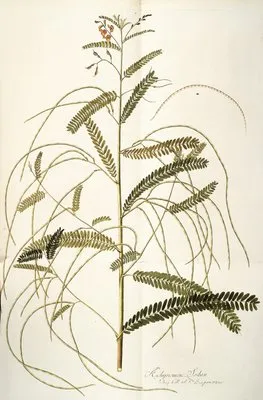
Solanum marginatum
茄属·Solanum marginatum|茄属
Solanum marginatum
About this plate
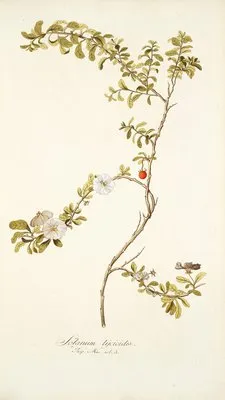
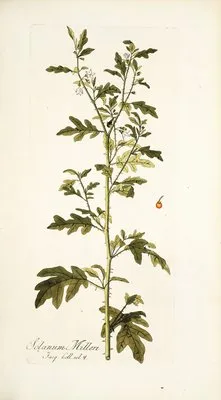
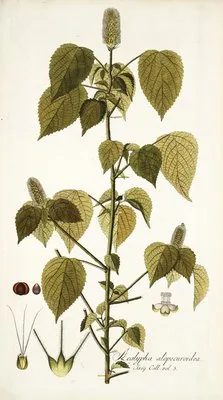
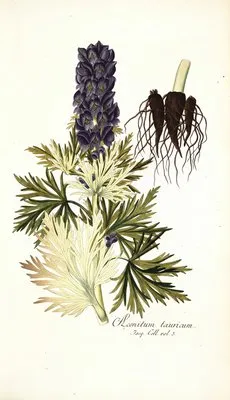
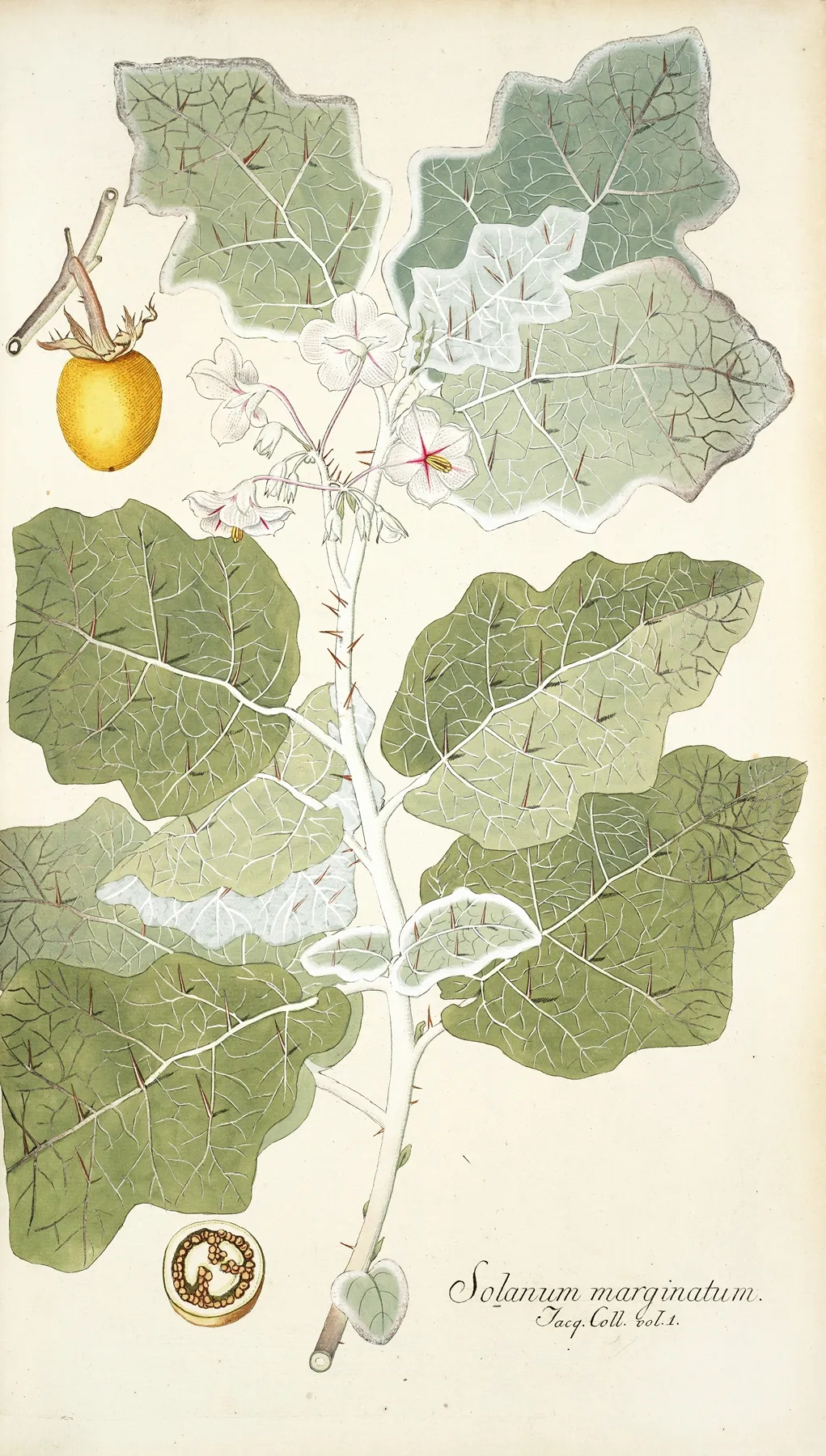
Solanum marginatum is plate 596, from Icones Plantarum Rariorum, drawn by Nikolaus Joseph Freiherr von Jacquin. This public-domain plate is reproduced at high resolution, free to view and download. Publication: Vindobonae, C.F. Wappler, 1781-1793.
Twelve ways of seeing
- measured cast yellow-green
- upright 1.76 : 1
- published 1781
- Plate 596
Not a catalogue entry but a way of looking: how to stand, what to notice, how the line was cut, when it flowers, where it came from, who made it — and then the poems and the classics that taught China to see the same flower. Read the twelve in order and the plate opens.
-
First Look
凡画山水,意在笔先。
—— 唐·王维《山水论》
In painting, the intention precedes the brush.
The sheet is vertical: the eye climbs and settles in the upper half. Let the plant stand before you look for detail. Then step in close: watch where colour meets line, and whether the line ever breaks. Third, find the darkest small patch: the whole tonal order is measured from there.
-
Name and Thing
The binomial is Solanum marginatum: the first word is the genus it belongs among, the second the epithet that sets it apart. Two words carry a whole provenance. The Chinese name 茄属 is a modern rendering of the Latin, not an old garden name.
-
Form and Colour
Measured on this plate: flower colour covers 15.9% of the sheet, foliage 8.1%, the cast yellow-green. No other plate shares exactly this measure. Fruit plates pair the whole fruit with a section: the outline identifies the variety, the cut reveals skin thickness, core size and seed arrangement — the evidence of registration.No colour group is recorded. Read the outline, then the colour layers, then the brush.
-
Composition
Tall and narrow, the plant rising in one movement with generous margins — the upright format of most floras. (about 1.76 : 1) No details are appended: a plate for looking, not for keying out. The plant fills 38% of the sheet, centred a little left of centre — the herbarium way, drawn to be read whole. Blank paper is not unfinished work: it is where the eye rests.
-
Line and Colour
Eighteenth-century plates are mostly copper engraving: hatched lines for shadow, then hand-colouring by another hand. There is evidence on the back too: the plate mark pressed into the paper, the slight relief of the pigment, lines worn shallow in a later printing.
-
Season
Late summer into autumn, variety by variety; a fruit portfolio spans the whole harvest. The year 1781 on the plate is that of publication, not of flowering — the gathering came a year or two earlier. The best time to read such a plate is its flowering season: three minutes under the tree explains what no text can.
-
Provenance
Temperate fruits came mostly from Eurasia, later from the Americas. Nineteenth-century nurseries printed varietal albums for trade and exhibition: every fruit on the page was a saleable claim. The localities on the plate are those of a century ago; plants travel and places change their names.
-
The Book and the Hand
“Icones Plantarum Rariorum” was drawn by Nikolaus Joseph Freiherr von Jacquin and published 1781-1793. This plate is Plate 596. The image is public domain; the hand-colouring is still one person's hand.
-
Poetic Resonance
昔日居邻招屈亭,枫林橘树鹧鸪声。
—— 唐·刘禹锡《酬朗州崔员外与任十四兄侍御同过鄙人旧居见怀之什时守吴郡》
The poem gives the mood first and the picture supplies the form; set the line beside the plate and the fruit becomes its resting point.
-
The Written Tradition
后皇嘉树,橘徕服兮。受命不迁,生南国兮。
—— 战国·屈原《九章·橘颂》
O lovely tree, the orange, sent to serve here below; you take your charge and will not move, born in the southern land.
The Book of Songs has a quince given and a jade pendant returned — fruit as ritual gift already in pre-Qin China. Keep the line; it will surface the next time you meet the same plant.
-
Symbolism
In China the pomegranate means many sons, the peach long life, the orange good fortune; in Europe the apple is temptation and knowledge, the grape abundance and sacrifice. Flower language was added later; the flower knows nothing of it, and that innocence is part of its power.
-
What to Take Away
Next time you stand before a flowering plant, give it three minutes: leaf arrangement, direction of the flower, the darkest patch. The flower of that year is dust, yet its image on paper has outlived every living cousin.