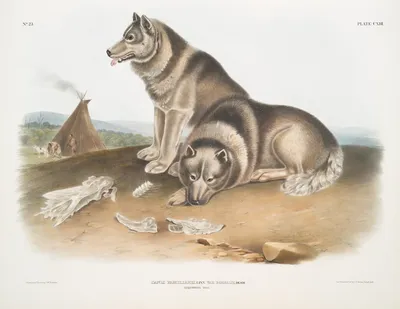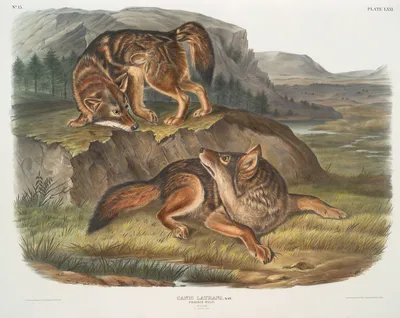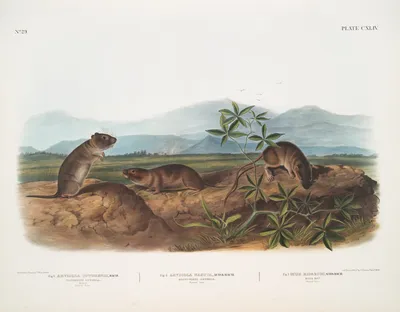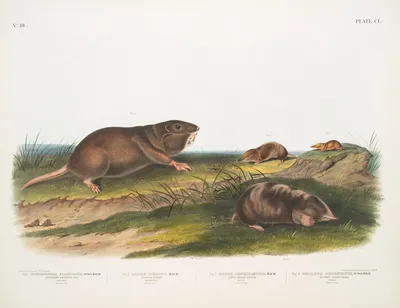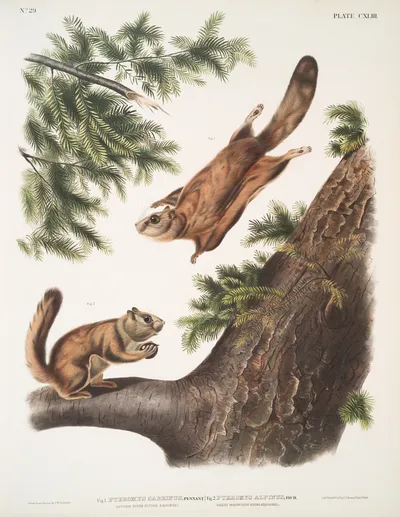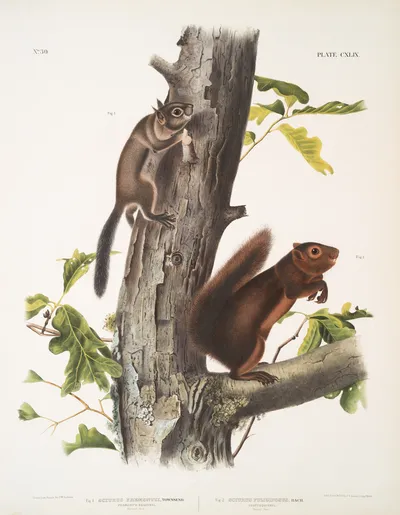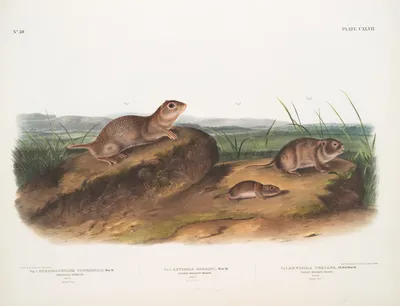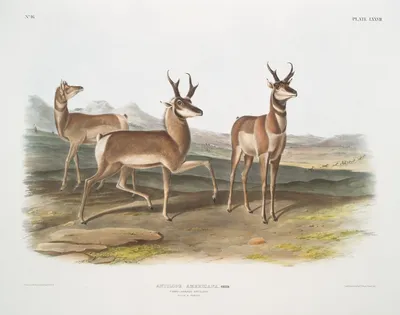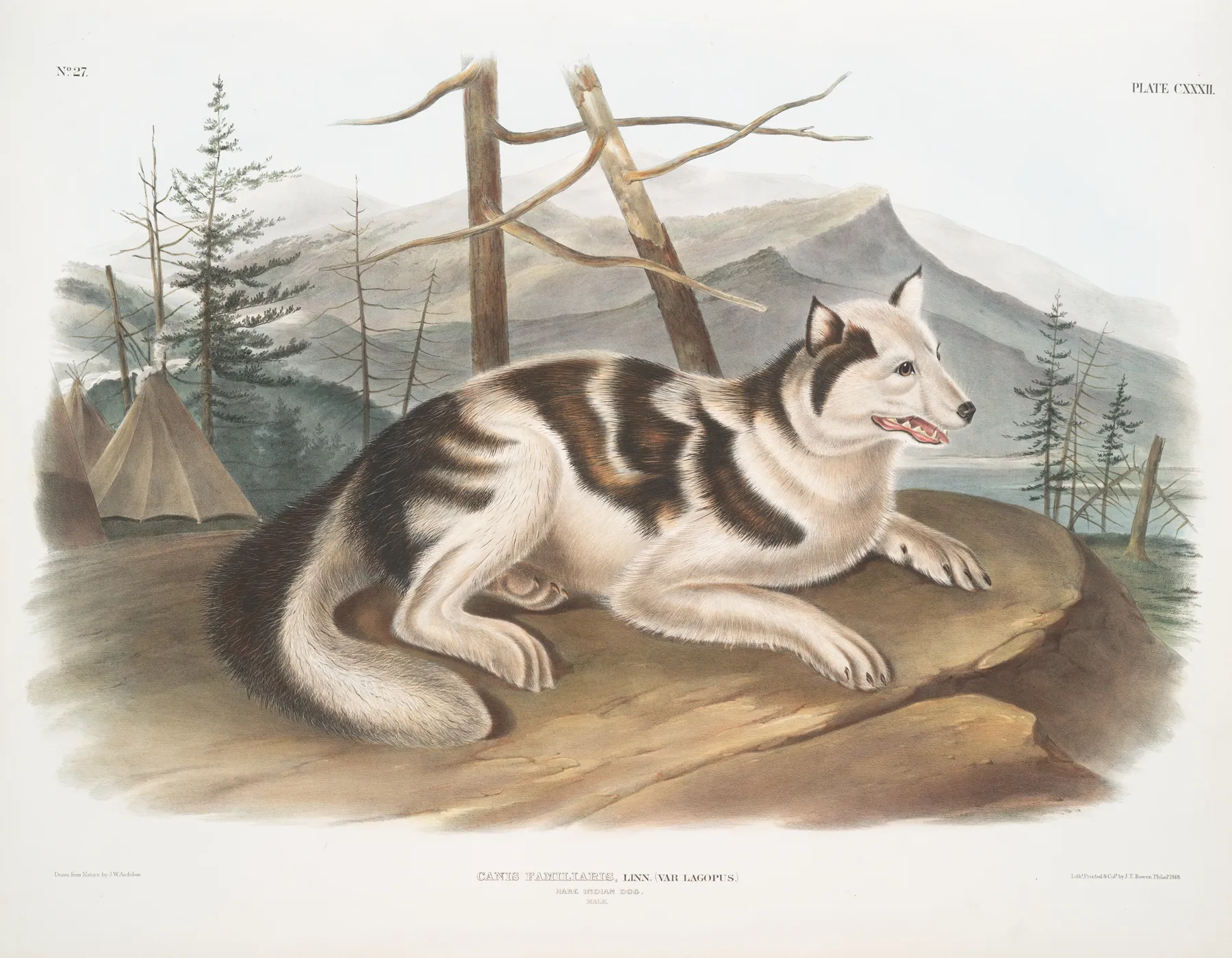
Canis familiaris, Hare-Indian Dog. Male. (1845-1848)
Ten ways of seeing
- square 0.78 : 1
First Look
夫象物必在于形似,形似须全其骨气。
—— 唐·张彦远《历代名画记》
Likeness is the threshold; bone-and-breath is the point.
Nearly square, plant and detail each holding a corner. Then step in close: watch where colour meets line, and whether the line ever breaks. Third, find the darkest small patch: the whole tonal order is measured from there.
Name and Thing
The binomial is Canis familiaris: the first word is the genus it belongs among, the second the epithet that sets it apart. Two words carry a whole provenance. No established Chinese name exists, so it is cited by its binomial alone.
Form and Colour
Tropical plants defy temperate habits: heavy, saturated flowers with strong scent, leathery or dissected leaves, stems that climb, swell, or reduce to spines.No colour group is recorded. Three things fix the habit: leaf arrangement, tepal count, and how the flower is borne.
Composition
Nearly square, plant and details sharing the corners. No details are appended: a plate for looking, not for keying out. Cover the margins with your thumb and the plate suffocates; uncover them and the flower breathes again.
Line and Colour
The first half of the nineteenth century moved from copper to steel to lithography; stipple could render the softest transition. Craft leaves franker evidence than inscriptions. If you mean to copy it: take its skeleton, its margins and the order of its colours; the burin's hatching is the language of copper — suggest it with pencil density, do not imitate it stroke for stroke.
Poetic Resonance
一夜不眠孤客耳,主人窗外有芭蕉。
—— 唐·杜牧《雨》
The poem gives the mood first and the picture supplies the form; set the line beside the plate and the corolla becomes its resting point.
Symbolism
In China these plants carry no classical symbolism; their meaning is newness — new worlds, new species, new trade routes. They show natural history's expanding edge. Meanings change their tune: the same flower can say opposite things within a century.
Season and Place
flowering follows the first rains, so a month on the plate often means 'after the rain'. Central and South America, Southeast Asia, India, Ceylon. Eighteenth- and nineteenth-century artists either sailed with the ships or drew from living specimens under glass. The year 1845 on the plate is that of publication, not of flowering — the gathering came a year or two earlier. The bud and the ripe fruit on one branch tell the season; the name in the title often tells the journey.
The Book and the Hand
“The viviparous quadrupeds of North America” carries only John Woodhouse Audubon's name. The image is public domain; the hand-colouring is still one person's hand.
What to Take Away
Appreciation is not knowledge but habit — one more look each time. Two centuries on, the plant may still flower in some garden; the one on this sheet stopped in the season of 1845.