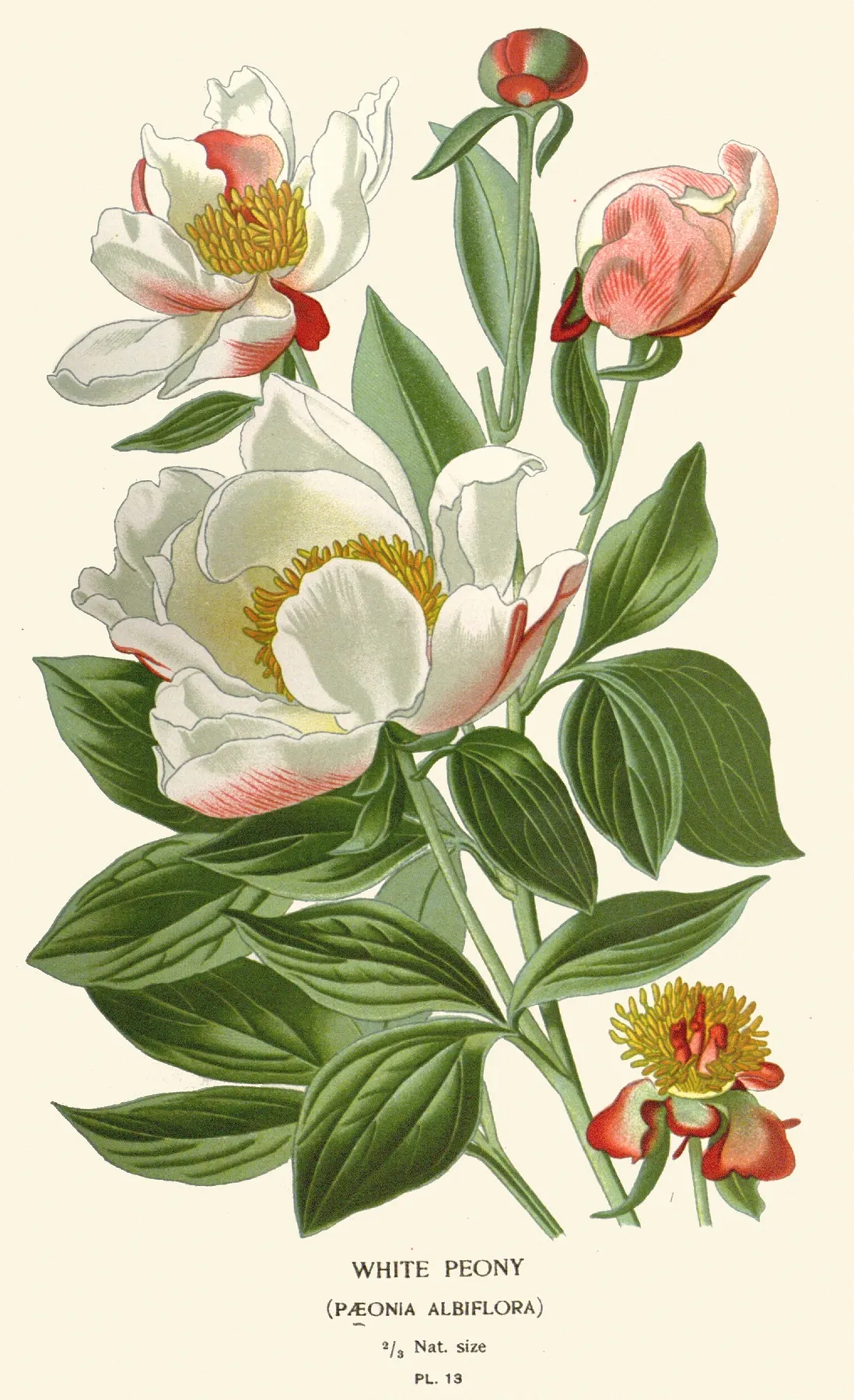
White Peony
₃ Nat. size
White Peony
Ten ways of seeing
- measured cast amber
- upright 1.64 : 1
First Look
搜尽奇峰打草稿。
—— 清·石涛《苦瓜和尚画语录》
Exhaust the strange peaks, and then make the sketch.
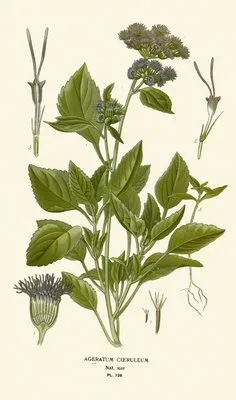
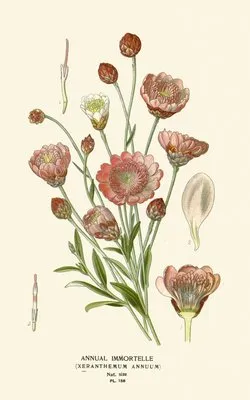
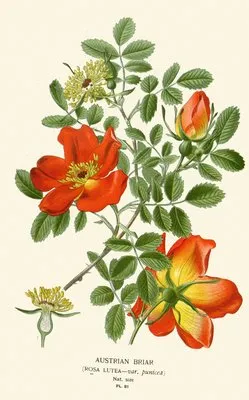
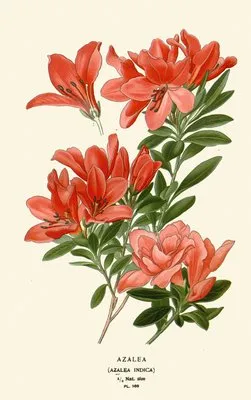
The sheet is vertical: the eye climbs and settles in the upper half. Let the plant stand before you look for detail. Then step in close: watch where colour meets line, and whether the line ever breaks. Third, find where the green is deepest: the whole tonal order is measured from that patch.
Name and Thing
No reliable binomial survives, so the printed title must serve. Neither name nor binomial survives: the printed title must do.
Form and Colour
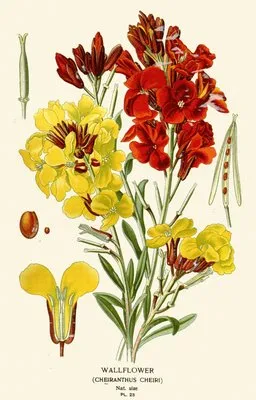
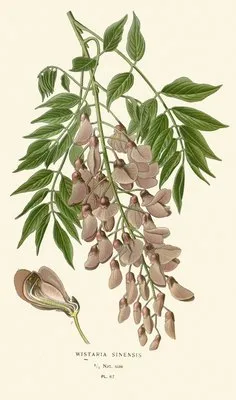
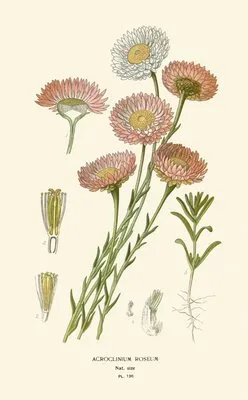
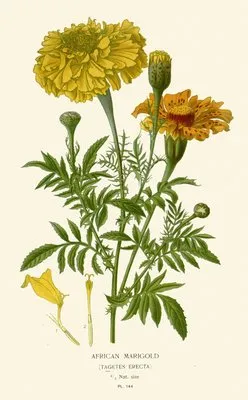
Measured on this plate: flower colour covers 9.7% of the sheet, foliage 25.8%, the cast amber with a second note of yellow-green. No other plate shares exactly this measure. Herbaceous peonies die back each year, tree peonies keep woody stems; both have twice-trifoliate leaves and huge double blooms, often blotched at the petal base. a moss green. Three things fix the habit: leaf arrangement, tepal count, and how the flower is borne.
Composition
The sheet is tall. No details are appended: a plate for looking, not for keying out. The plant fills 45% of the sheet, centred near the centre — the herbarium way, drawn to be read whole.
Line and Colour
In the later nineteenth century chromolithography took over: colour printed rather than painted, line demoted. There is evidence on the back too: the plate mark pressed into the paper, the slight relief of the pigment, lines worn shallow in a later printing. If you mean to copy it: block in the broad shapes and colours first, detail last; lithographic softness comes from thin washes — two or three pale layers will get you close.
Poetic Resonance
芍药初开百步香,小阑幽拚隔教廊。
—— 金朝·元好问《浣溪沙》
The poem gives the mood first and the picture supplies the form; set the line beside the plate and the green the corolla becomes its resting point.
Symbolism
The tree peony is 'national beauty and heavenly fragrance', an emblem of prosperity; the herbaceous peony is tenderness — given at parting, hence its name 'jiangli', 'about to leave'. Meanings change their tune: the same flower can say opposite things within a century.
Season and Place
Late April to early May, around the Grain Rain solar term. Native to China: tree peonies centred on Luoyang, herbaceous ones on Yangzhou. Most garden peonies in Europe descend from eighteenth-century Chinese imports. The year 1896 on the plate is that of publication, not of flowering — the gathering came a year or two earlier. See this kind of plate in the flowering season if you can: once you have met the living flower, you stop reading only colour.
The Book and the Hand
“Favourite flowers of garden and greenhouse” carries only Edward Step's name. The image is public domain; the hand-colouring is still one person's hand.
What to Take Away
Appreciation is not knowledge but habit — one more look each time. Two centuries on, the plant may still flower in some garden; the one on this sheet stopped in the season of 1896.
About this plate
White Peony is plate 153, from Favourite flowers of garden and greenhouse, drawn by Edward Step. This public-domain plate is reproduced at high resolution, free to view and download. Publication: New York, Frederick Warne & Co, 1896-1897.