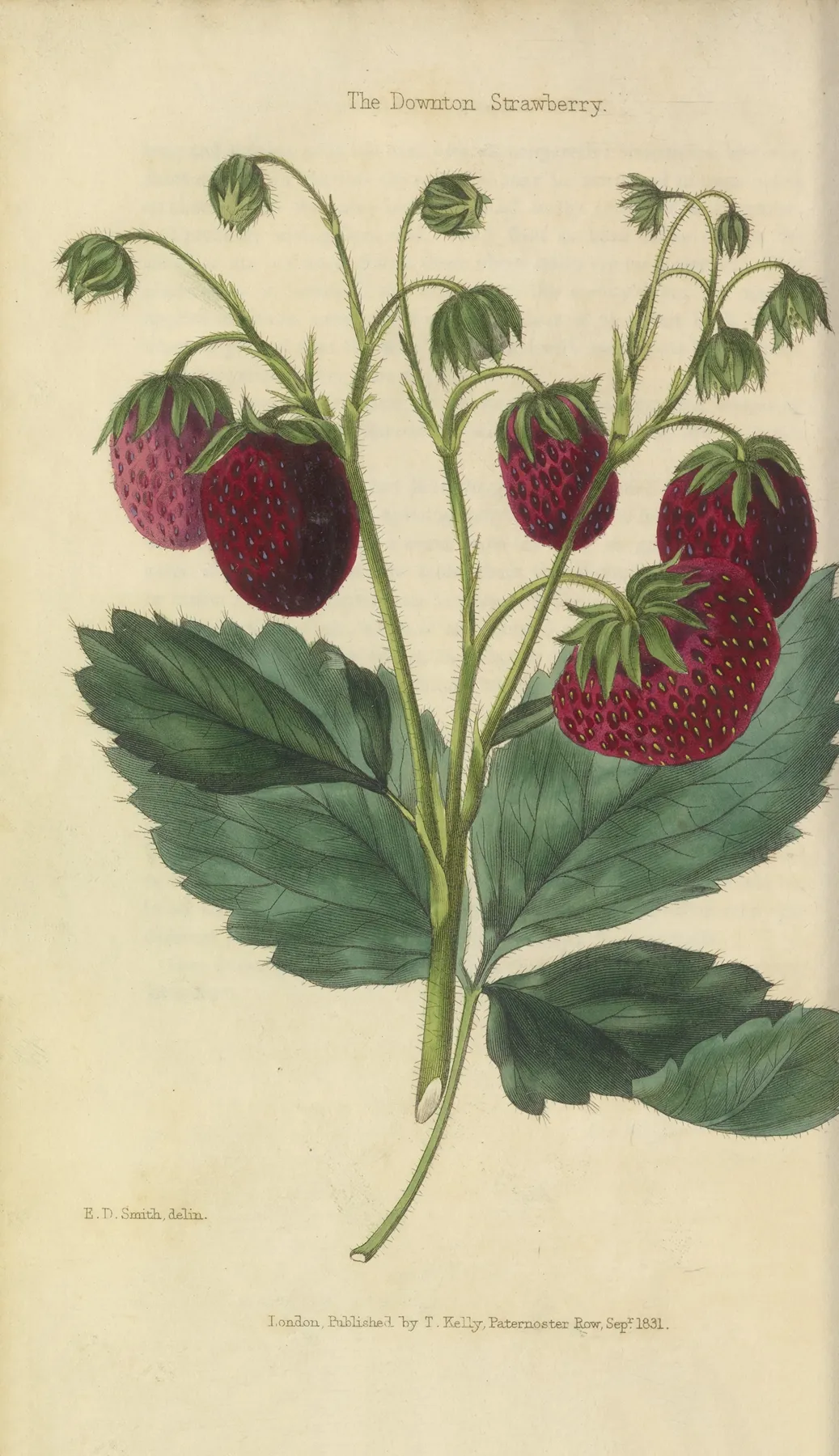
Downton Strawberry (1829)
Downton Strawberry (1829)
Downton Strawberry (1829)
Ten ways of seeing
- measured cast red
- upright 1.74 : 1
First Look
论画以形似,见与儿童邻。
—— 宋·苏轼《书鄢陵王主簿所画折枝》
To judge painting by likeness alone is the view of a child.
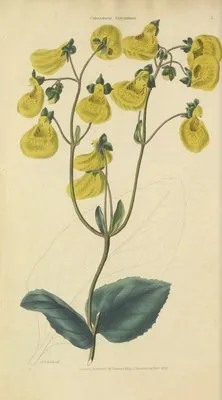
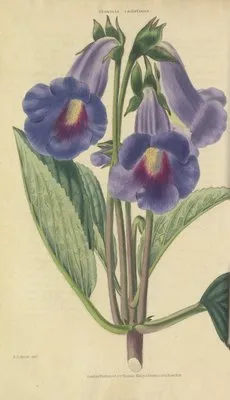
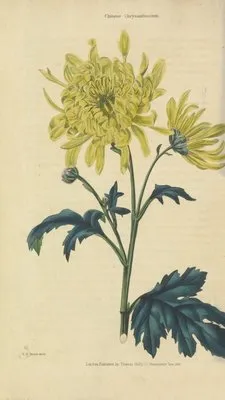
The sheet is vertical: the eye climbs and settles in the upper half. Let the plant stand before you look for detail. Then step in close: watch where colour meets line, and whether the line ever breaks. Third, find where the yellow is deepest: the whole tonal order is measured from that patch.
Name and Thing
The binomial is Downton strawberry: the first word is the genus it belongs among, the second the epithet that sets it apart. Two words carry a whole provenance. No established Chinese name exists, so it is cited by its binomial alone.
Form and Colour
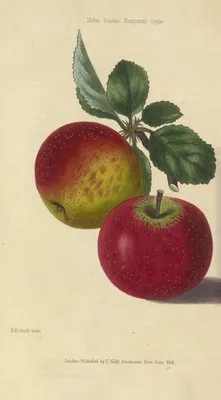
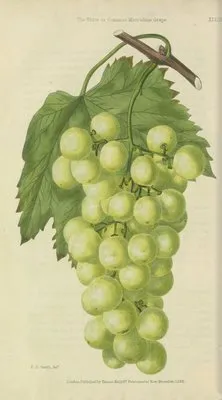
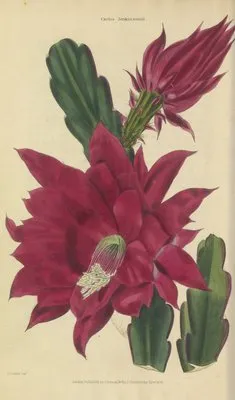
Measured on this plate: flower colour covers 12.2% of the sheet, foliage 14.8%, the cast red with a second note of yellow-green. No other plate shares exactly this measure. Fruit plates pair the whole fruit with a section: the outline identifies the variety, the cut reveals skin thickness, core size and seed arrangement — the evidence of registration. Filed under yellow — a honey-yellow, built in washes from a pale ground. Three things fix the habit: leaf arrangement, tepal count, and how the flower is borne.
Composition
The sheet is tall. No details are appended: a plate for looking, not for keying out. The plant takes about 34% of the sheet, centred a little right of centre — the easy measure most florists kept to.
Line and Colour
The first half of the nineteenth century moved from copper to steel to lithography; stipple could render the softest transition. Take a loupe to three places: petal edge, leaf vein, caption. An unbroken line means engraving; colour crossing the outline means a hand. If you mean to copy it: take its skeleton, its margins and the order of its colours; the burin's hatching is the language of copper — suggest it with pencil density, do not imitate it stroke for stroke.
Poetic Resonance
梅花国里荔枝村,颇记张灯作上元。
—— 唐·杨万里《送林子方直阁秘书将漕闽部三首 其二》
The poem gives the mood first and the picture supplies the form; set the line beside the plate and the yellow the fruit becomes its resting point.
Symbolism
In China the pomegranate means many sons, the peach long life, the orange good fortune; in Europe the apple is temptation and knowledge, the grape abundance and sacrifice. This plate leans yellow, which in flower language adds one more degree of feeling. Flower language was added later; the flower knows nothing of it, and that innocence is part of its power.
Season and Place
Late summer into autumn, variety by variety. Temperate fruits came mostly from Eurasia, later from the Americas. Nineteenth-century nurseries printed varietal albums for trade and exhibition: every fruit on the page was a saleable claim. The year 1829 on the plate is that of publication, not of flowering — the gathering came a year or two earlier. Read the locality and the flowering season both with a discount: one is hearsay, the other a ten-day peak.
The Book and the Hand
“Flora and pomona, or, the British fruit and flower garden” carries only Charles McIntosh's name. From drawing to plate the sheet passed through several hands — the engraver aimed at accuracy, the colourist at speed, and between them lies each plate's unevenness.
What to Take Away
Next time you stand before a flowering plant, give it three minutes: leaf arrangement, direction of the flower, the darkest patch. The flower of that year is dust, yet its image on paper has outlived every living cousin.
About this plate
Downton Strawberry (1829) is plate 67, from Flora and pomona, or, the British fruit and flower garden, drawn by Charles McIntosh. This public-domain plate is reproduced at high resolution, free to view and download. Publication: London, T. Kelly, 1829.