Narcissus 4
Narcissus 4
Narcissus 4
About this plate
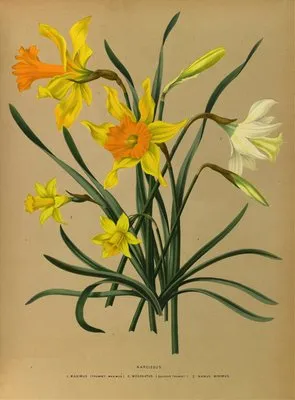
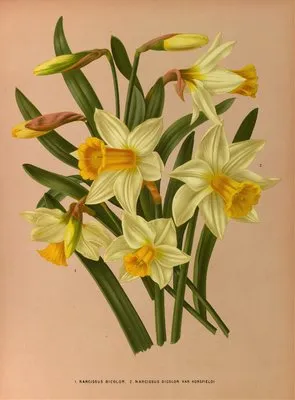
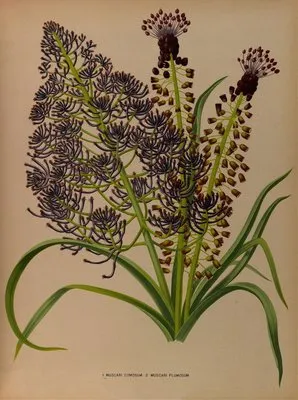
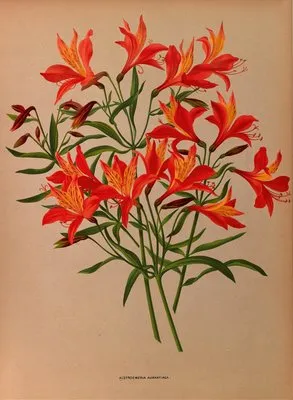
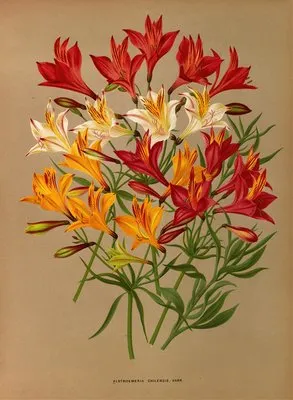
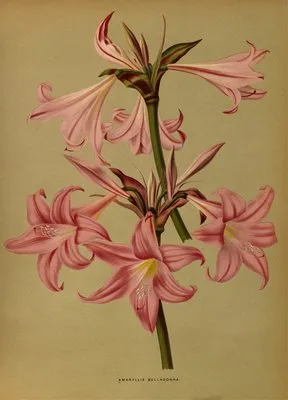
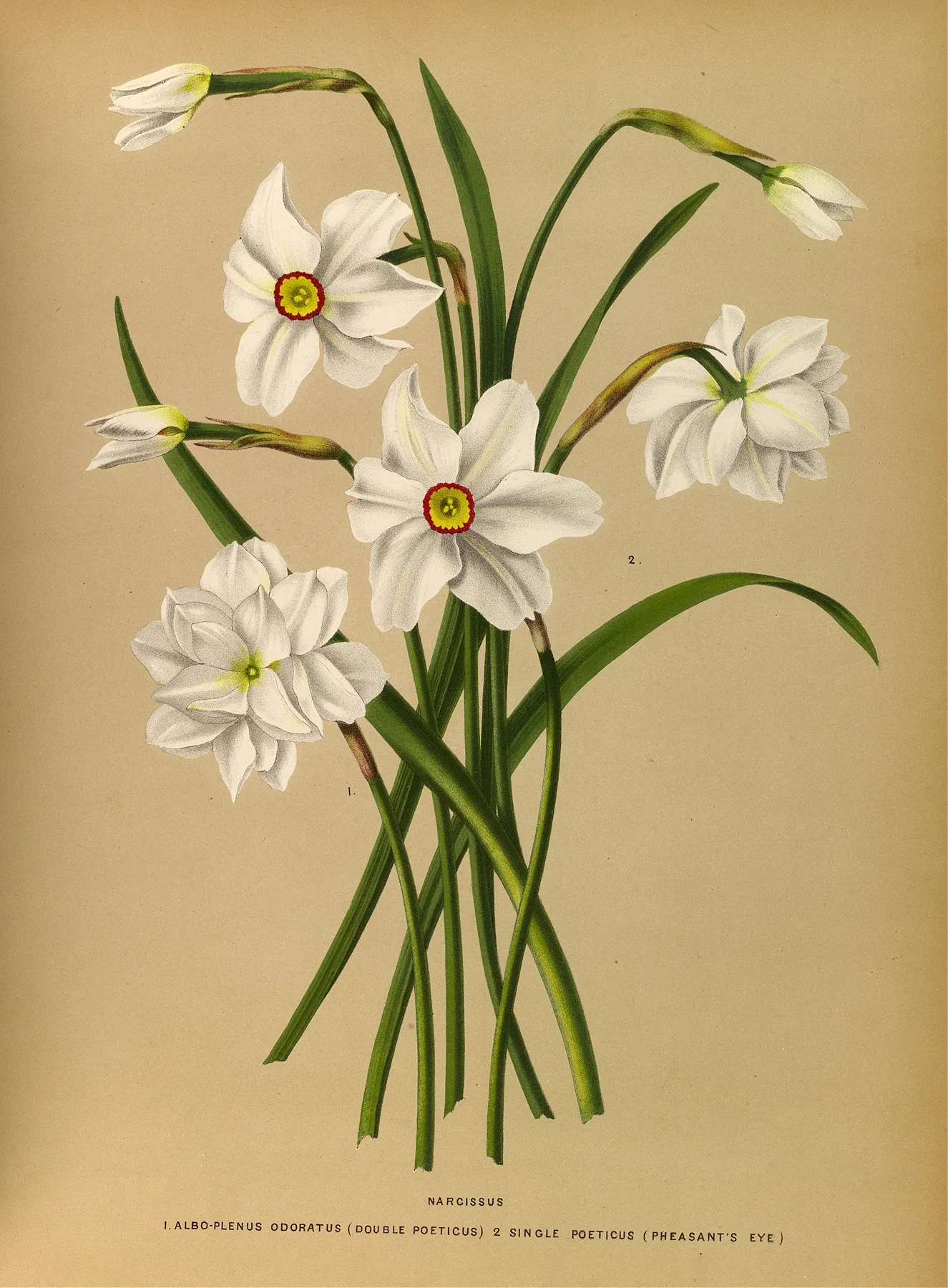
Narcissus 4 is plate 91, from Haarlem's Flora, drawn by Arentine H. Arendsen. This public-domain plate is reproduced at high resolution, free to view and download. Publication: Haarlem : 1872-1881..
Twelve ways of seeing
- measured cast amber
- upright 1.36 : 1
- published 1872
- Plate 91
Not a catalogue entry but a way of looking: how to stand, what to notice, how the line was cut, when it flowers, where it came from, who made it — and then the poems and the classics that taught China to see the same flower. Read the twelve in order and the plate opens.
-
First Look
江馆清秋,晨起看竹,烟光日影露气,皆浮动于疏枝密叶之间。
—— 清·郑板桥《题画竹》
On an autumn morning at the river lodge I looked at the bamboo: mist, sunlight, dew, all drifting among the sparse and dense leaves.
The sheet is vertical: the eye climbs and settles in the upper half. Let the plant stand before you look for detail. Then step in close: watch where colour meets line, and whether the line ever breaks. Third, find where the orange is deepest: the whole tonal order is measured from that patch. The pose leans right: the upper half carries 9 points further right than the lower — a living thing, not a diagram.
-
Name and Thing
Only the genus Narcissus is given; species-level names came later. No established Chinese name exists, so it is cited by its binomial alone.
-
Form and Colour
Measured on this plate: flower colour covers 8.0% of the sheet, foliage 7.0%, the cast amber with a second note of yellow-green. No other plate shares exactly this measure. A layered bulb, upright strap leaves, six white tepals and a small golden cup — the Chinese name is 'silver terrace with a golden cup'. Filed under orange — an amber orange, built in washes from a pale ground. A single plant, laid out with nothing hidden.
-
Composition
Tall and narrow, the plant rising in one movement with generous margins — the upright format of most floras. (about 1.36 : 1) No details are appended: a plate for looking, not for keying out. The plant covers only 24% of the sheet, centred a little left of centre; the emptiness is where the eye rests. Old plates set the plant slightly off centre, with unequal margins — that small imbalance is what keeps it alive.
-
Line and Colour
In the later nineteenth century chromolithography took over: colour printed rather than painted, line demoted. There is evidence on the back too: the plate mark pressed into the paper, the slight relief of the pigment, lines worn shallow in a later printing.
-
Season
Late winter into early spring: forced in water in the twelfth month, blooming at the New Year. The year 1872 on the plate is that of publication, not of flowering — the gathering came a year or two earlier. Note the season. Phenology is the most practical tool of appreciation.
-
Provenance
Native to the Mediterranean, reaching China by sea in the late Tang; Zhangzhou in Fujian has grown it since Ming times. The localities on the plate are those of a century ago; plants travel and places change their names.
-
The Book and the Hand
“Haarlem's Flora” was drawn by Arentine H. Arendsen and published 1872-1881. This plate is Plate 91. The image is public domain; the hand-colouring is still one person's hand.
-
Poetic Resonance
风流处士,水仙祠下。
—— 宋·辛弃疾《贺新郎》
The poem gives the mood first and the picture supplies the form; set the line beside the plate and the orange the corolla becomes its resting point.
-
The Written Tradition
凌波微步,罗袜生尘。
—— 三国魏·曹植《洛神赋》
She moves as if treading on waves, dust rising from her silken socks — the line from which the narcissus took its Chinese name, “fairy of the waves”.
Song poets made it famous — Huang Tingjian wrote that southern gardeners grew it widely; Qing manuals describe the Zhangzhou practice of raising it in sand and water, still used today. Keep the line; it will surface the next time you meet the same plant.
-
Symbolism
In China it is the New Year's offering — clear, fragrant, a little otherworldly; in Europe, because of Narcissus, it means self-love and the gaze turned inward. This plate leans orange, which in flower language adds one more degree of feeling. Flower language was added later; the flower knows nothing of it, and that innocence is part of its power.
-
What to Take Away
If you keep one line, keep Guo Xi's: from afar its momentum, up close its texture. The flower of that year is dust, yet its image on paper has outlived every living cousin.