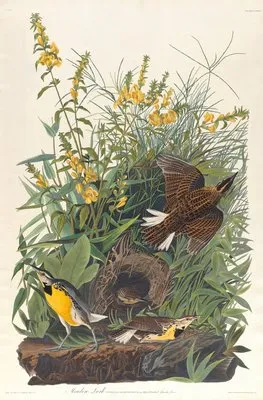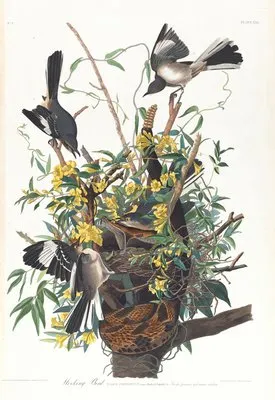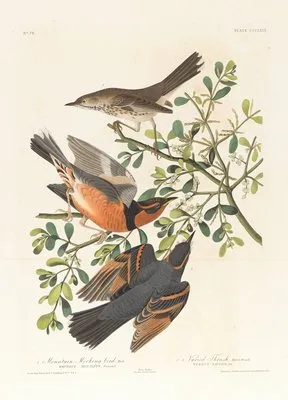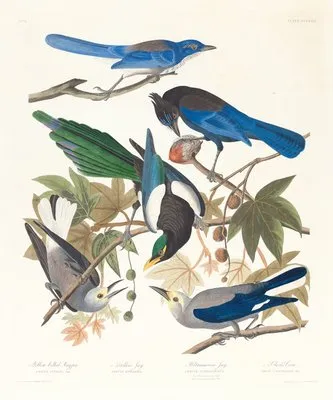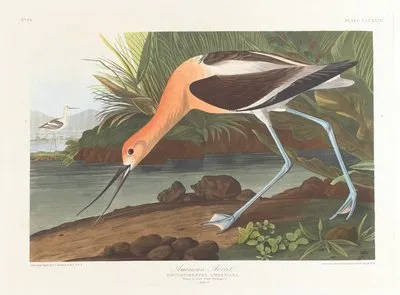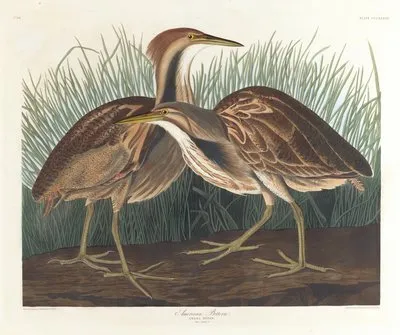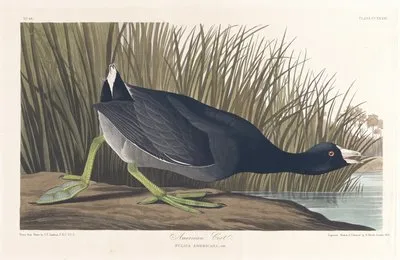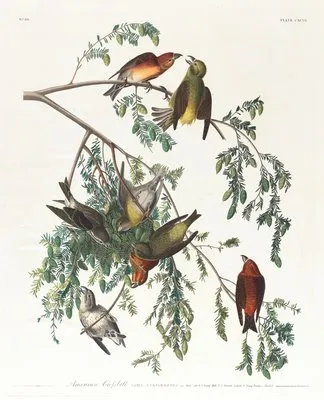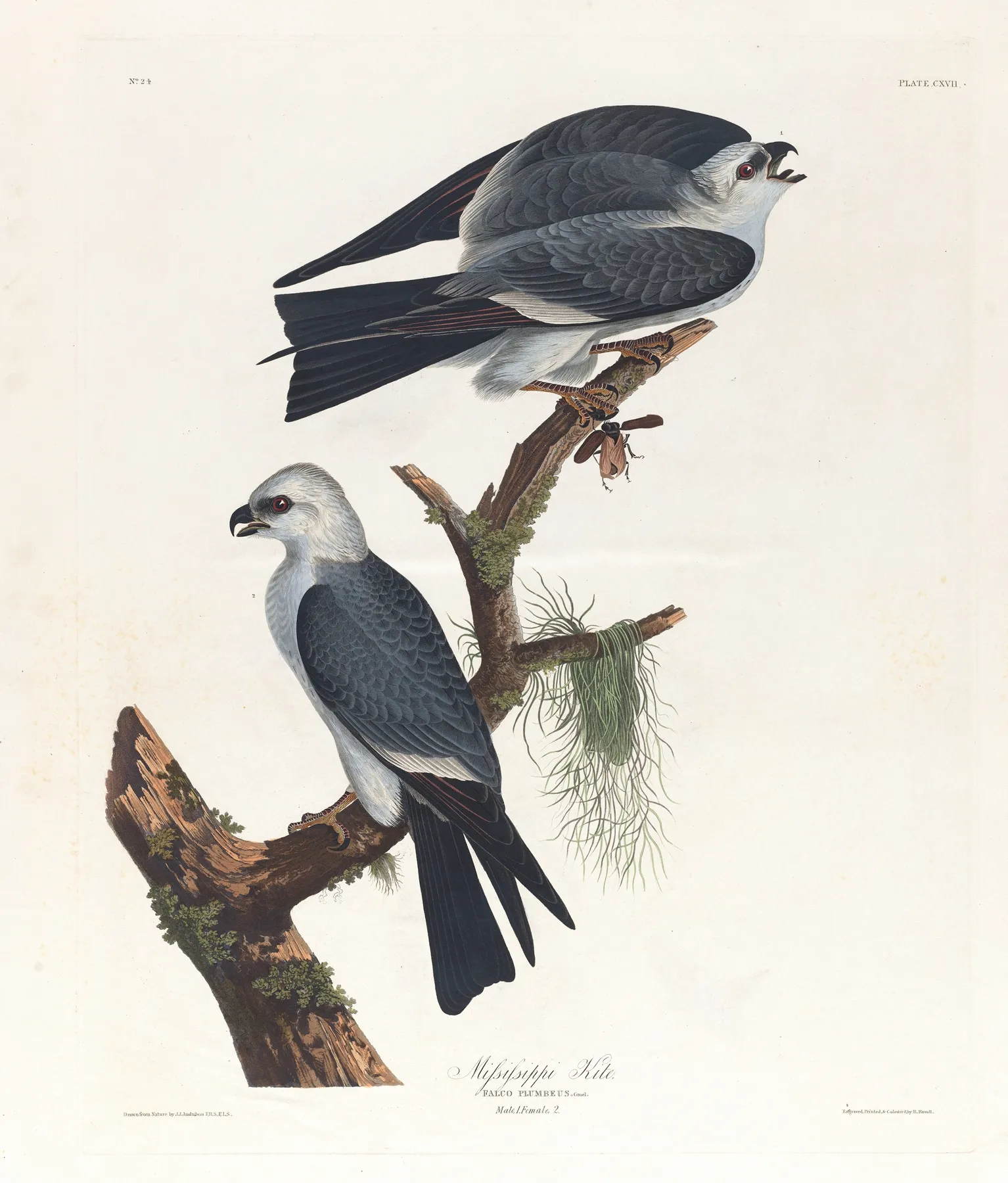
Mississippi kite
灰鸢属
Mississippi kite
Ten ways of seeing
- slightly upright 1.17 : 1
First Look
论画以形似,见与儿童邻。
—— 宋·苏轼《书鄢陵王主簿所画折枝》
To judge painting by likeness alone is the view of a child.
Slightly taller than wide; the eye lands on the bird's head, a little above centre. Then step in close: watch where colour meets line, and whether the line ever breaks. Third, find the darkest small patch: the whole tonal order is measured from there.
Name and Thing
The binomial is Mississippi kite: the first word is the genus it belongs among, the second the epithet that sets it apart. Two words carry a whole provenance. The Chinese name 灰鸢属 is a modern rendering of the Latin, not an old garden name.
Form and Colour
Bird plates usually choose the perched pose: one foot gripping, one loose, the flight feathers laid in first, coverts over them, then the horny gleam of bill and eye.No colour group is recorded. A single plant, laid out with nothing hidden.
Composition
Slightly taller than wide, the bird set a little above centre, the eye landing at head and bill. No details are appended: a plate for looking, not for keying out. Old plates set the plant slightly off centre, with unequal margins — that small imbalance is what keeps it alive.
Line and Colour
The first half of the nineteenth century moved from copper to steel to lithography; stipple could render the softest transition. Craft leaves franker evidence than inscriptions. If you mean to copy it: take its skeleton, its margins and the order of its colours; the burin's hatching is the language of copper — suggest it with pencil density, do not imitate it stroke for stroke.
Poetic Resonance
追随燕蓟儿,颖锐物不隔。
—— 唐·杜甫《八哀诗 赠司空王公思礼》
The poem gives the mood first and the picture supplies the form; set the line beside the plate and the bird itself becomes its resting point.
Symbolism
In China the crane is longevity, the magpie joy, the wild goose a letter, the eagle prowess; in the Americas each bird carries a different totem. One bird, unrelated meanings. Meanings change their tune: the same flower can say opposite things within a century.
Season and Place
Bound to migration: north in spring, south in autumn, each species answering to a few weeks. Audubon's plates often read 'adult, spring' — plumage at its height. Audubon's Birds of America (1827–1838) came from specimens he shot himself, wired into lifelike poses and drawn from life — which is why the birds look so alive, and why the method is uncomfortable. The year 1827 on the plate is that of publication, not of flowering — the gathering came a year or two earlier. The bud and the ripe fruit on one branch tell the season; the name in the title often tells the journey.
The Book and the Hand
“The Birds of America” carries only John James Audubon's name. The image is public domain; the hand-colouring is still one person's hand.
What to Take Away
Next time you watch a bird: posture first, then where the plumage is deepest, and only then the field guide. Two centuries on, the plant may still flower in some garden; the one on this sheet stopped in the season of 1827.
About this plate
Mississippi kite is plate 256, from The Birds of America, drawn by John James Audubon. This public-domain plate is reproduced at high resolution, free to view and download. Publication: London, John James Audubon, 1827–1838.