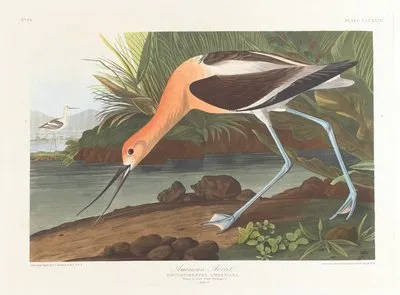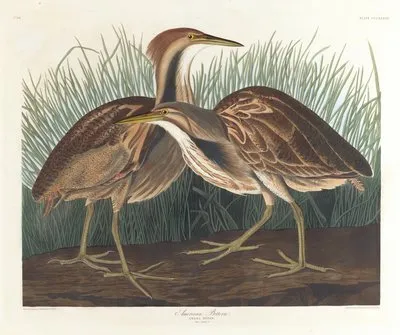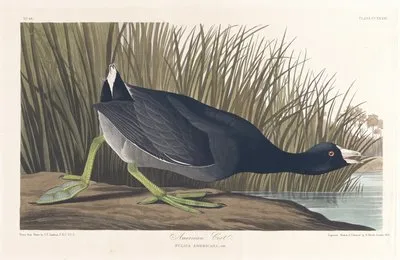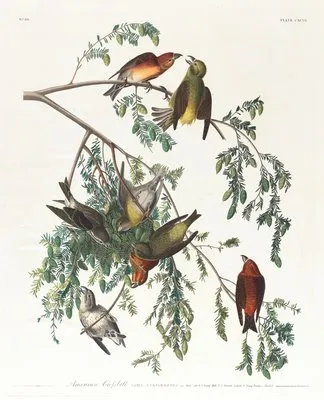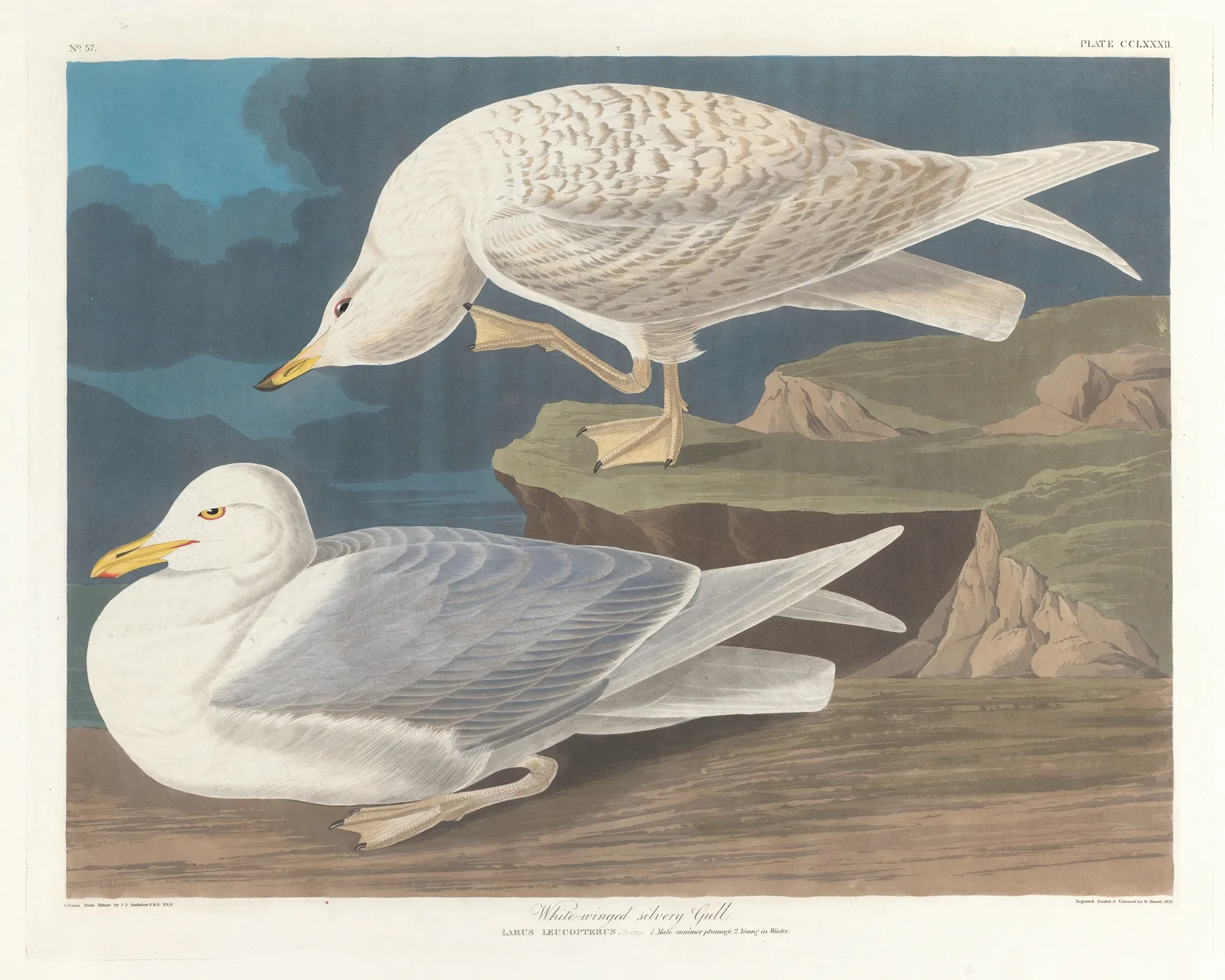
White-winged silvery gull
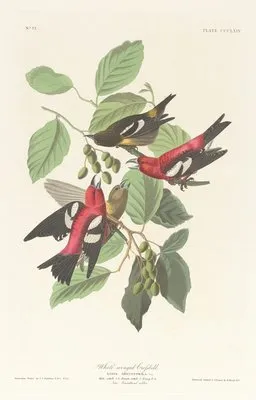
PLATE CCLXXXII While-winged silvery Gull LARTs lET CoPTERTs . Basp. 1.Malé suninerphumage.
White-winged silvery gull
Ten ways of seeing
- orange key
- square 0.80 : 1
First Look
论画以形似,见与儿童邻。
—— 宋·苏轼《书鄢陵王主簿所画折枝》
To judge painting by likeness alone is the view of a child.
Nearly square: all four corners carry something. See how they are placed. Then step in close: watch where colour meets line, and whether the line ever breaks. Third, find where the orange is deepest: the whole tonal order is measured from that patch.
Name and Thing
No reliable binomial survives, so the printed title must serve. Neither name nor binomial survives: the printed title must do.
Form and Colour
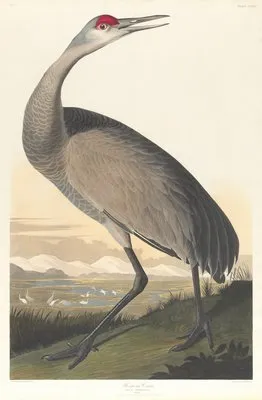
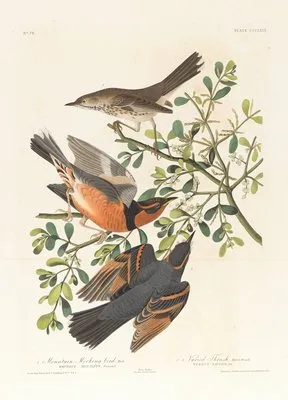
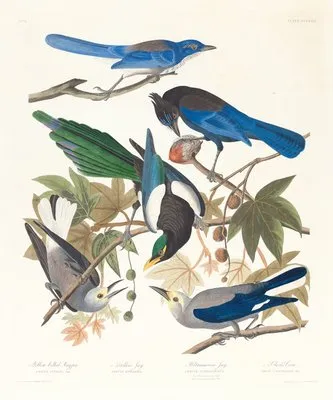
Bird plates usually choose the perched pose: one foot gripping, one loose, the flight feathers laid in first, coverts over them, then the horny gleam of bill and eye. Filed under orange — an amber orange. Feather colour is structure, not pigment: light bent by barbules. Three things fix the habit: leaf arrangement, tepal count, and how the flower is borne.
Composition
Nearly square, bird and branch each holding a corner. No details are appended: a plate for looking, not for keying out. Cover the margins with your thumb and the plate suffocates; uncover them and the flower breathes again.
Line and Colour
The first half of the nineteenth century moved from copper to steel to lithography; stipple could render the softest transition. Craft leaves franker evidence than inscriptions. If you mean to copy it: take its skeleton, its margins and the order of its colours; the burin's hatching is the language of copper — suggest it with pencil density, do not imitate it stroke for stroke.
Poetic Resonance
多情惟有,画梁双燕,知道春归处。
—— 金朝·元好问《青玉案·落红吹满沙头路》
The poem gives the mood first and the picture supplies the form; set the line beside the plate and the orange the bird itself becomes its resting point.
Symbolism
In China the crane is longevity, the magpie joy, the wild goose a letter, the eagle prowess; in the Americas each bird carries a different totem. One bird, unrelated meanings. This plate leans orange, which in flower language adds one more degree of feeling. In a flora it is a species first and a symbol second; the order is worth keeping.
Season and Place
Bound to migration: north in spring, south in autumn, each species answering to a few weeks. Audubon's plates often read 'adult, spring' — plumage at its height. Audubon's Birds of America (1827–1838) came from specimens he shot himself, wired into lifelike poses and drawn from life — which is why the birds look so alive, and why the method is uncomfortable. The year 1827 on the plate is that of publication, not of flowering — the gathering came a year or two earlier. Read the locality and the flowering season both with a discount: one is hearsay, the other a ten-day peak.
The Book and the Hand
“The Birds of America” carries only John James Audubon's name. From drawing to plate the sheet passed through several hands — the engraver aimed at accuracy, the colourist at speed, and between them lies each plate's unevenness.
What to Take Away
If you keep one line, keep Guo Xi's: from afar its momentum, up close its texture. A flora exists to be consulted; look long enough and you forget to consult — someone in 1827 gave a whole day to a single flower.
About this plate
White-winged silvery gull is plate 413, from The Birds of America, drawn by John James Audubon. This public-domain plate is reproduced at high resolution, free to view and download. Publication: London, John James Audubon, 1827–1838.