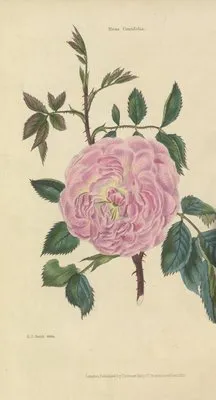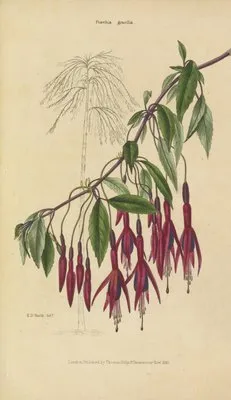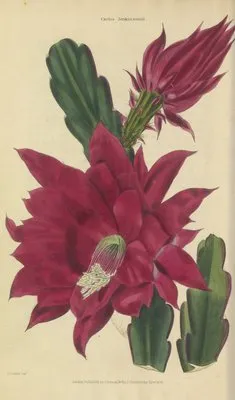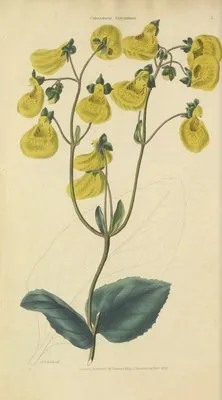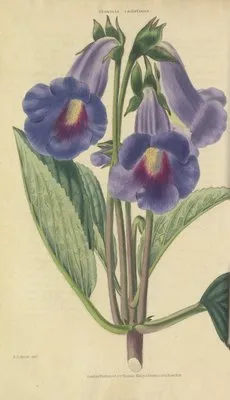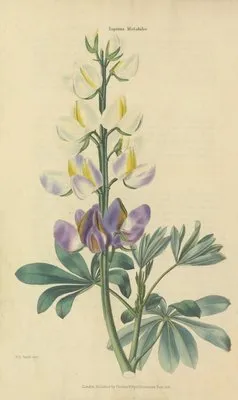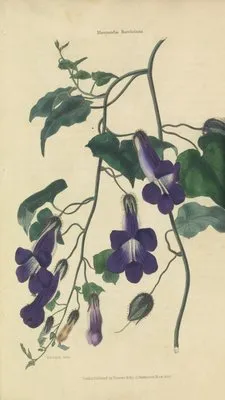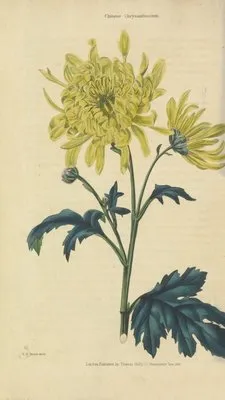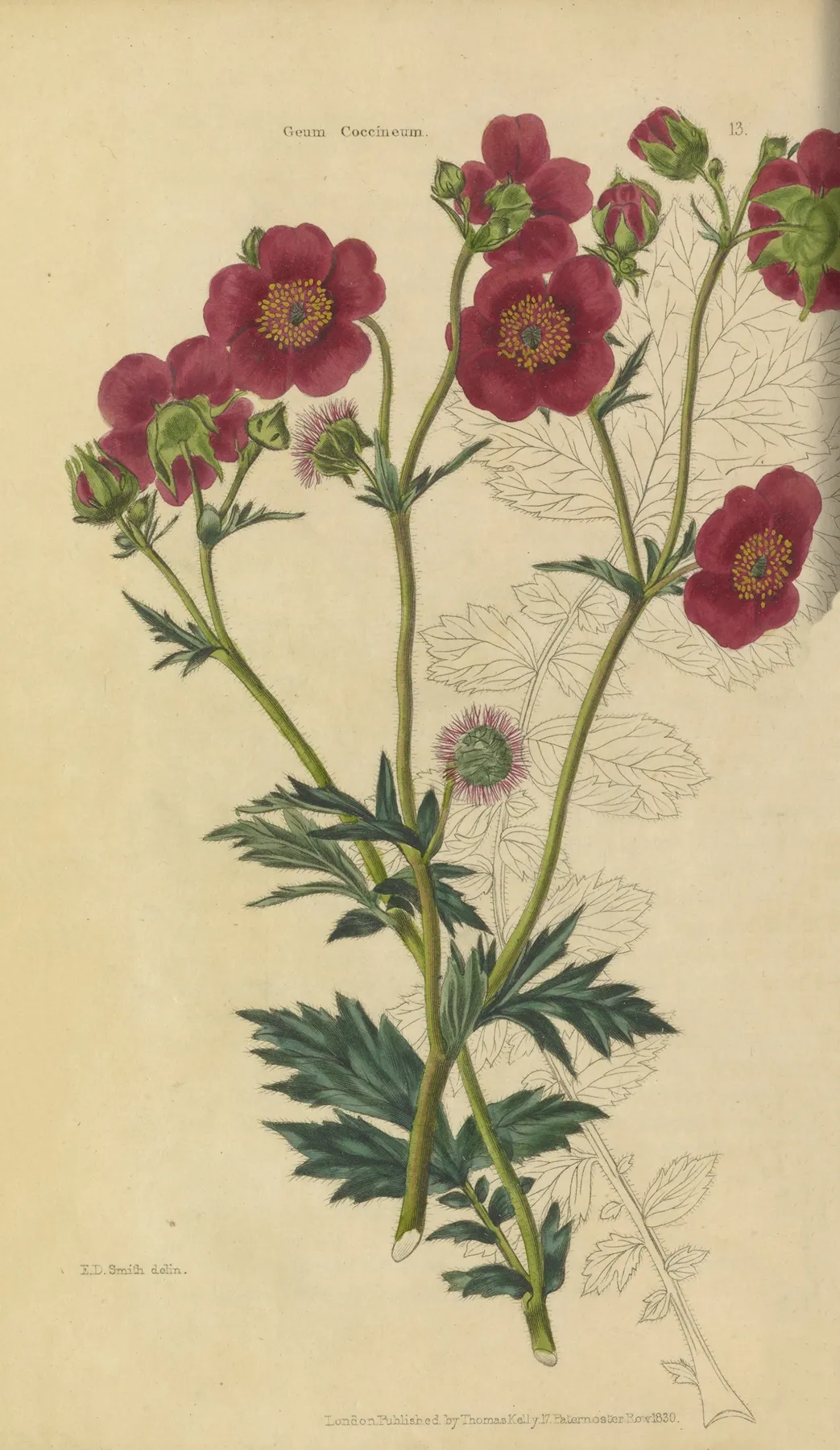
Geum Coccinea (1829)
Geum Coccíneum
Geum Coccinea (1829)
Ten ways of seeing
- measured cast red
- upright 1.73 : 1
First Look
凡画山水,意在笔先。
—— 唐·王维《山水论》
In painting, the intention precedes the brush.
The sheet is vertical: the eye climbs and settles in the upper half. Let the plant stand before you look for detail. Then step in close: watch where colour meets line, and whether the line ever breaks. Third, find where the yellow is deepest: the whole tonal order is measured from that patch.
Name and Thing
The binomial is Geum coccinea: the first word is the genus it belongs among, the second the epithet that sets it apart. Here the epithet coccinea means “scarlet” — the name records the feature the namer noticed first. No established Chinese name exists, so it is cited by its binomial alone.
Form and Colour
Measured on this plate: flower colour covers 17.6% of the sheet, foliage 3.6%, the cast red with a second note of yellow-green. No other plate shares exactly this measure. Fruit plates pair the whole fruit with a section: the outline identifies the variety, the cut reveals skin thickness, core size and seed arrangement — the evidence of registration. Filed under yellow — a honey-yellow, built in washes from a pale ground. A single plant, laid out with nothing hidden.
Composition
The sheet is tall. No details are appended: a plate for looking, not for keying out. The plant covers only 25% of the sheet, centred a little right of centre; the emptiness is where the eye rests.
Line and Colour
The first half of the nineteenth century moved from copper to steel to lithography; stipple could render the softest transition. There is evidence on the back too: the plate mark pressed into the paper, the slight relief of the pigment, lines worn shallow in a later printing. If you mean to copy it: take its skeleton, its margins and the order of its colours; the burin's hatching is the language of copper — suggest it with pencil density, do not imitate it stroke for stroke.
Poetic Resonance
荔枝叶底暑阴清,已有新蝉一两声。
—— 宋·杨万里《四月中休日闻蝉》
The poem gives the mood first and the picture supplies the form; set the line beside the plate and the yellow the fruit becomes its resting point.
Symbolism
In China the pomegranate means many sons, the peach long life, the orange good fortune; in Europe the apple is temptation and knowledge, the grape abundance and sacrifice. This plate leans yellow, which in flower language adds one more degree of feeling. Meanings change their tune: the same flower can say opposite things within a century.
Season and Place
Late summer into autumn, variety by variety. Temperate fruits came mostly from Eurasia, later from the Americas. Nineteenth-century nurseries printed varietal albums for trade and exhibition: every fruit on the page was a saleable claim. The year 1829 on the plate is that of publication, not of flowering — the gathering came a year or two earlier. The bud and the ripe fruit on one branch tell the season; the name in the title often tells the journey.
The Book and the Hand
“Flora and pomona, or, the British fruit and flower garden” carries only Charles McIntosh's name. From drawing to plate the sheet passed through several hands — the engraver aimed at accuracy, the colourist at speed, and between them lies each plate's unevenness.
What to Take Away
If you keep one line, keep Guo Xi's: from afar its momentum, up close its texture. Two centuries on, the plant may still flower in some garden; the one on this sheet stopped in the season of 1829.
About this plate
Geum Coccinea (1829) is plate 13, from Flora and pomona, or, the British fruit and flower garden, drawn by Charles McIntosh. This public-domain plate is reproduced at high resolution, free to view and download. Publication: London, T. Kelly, 1829.