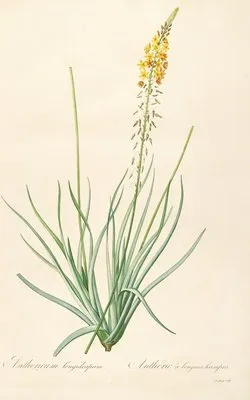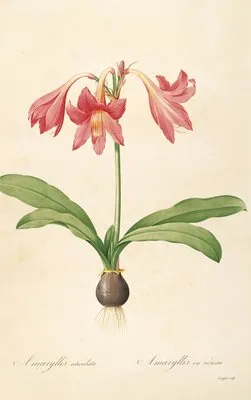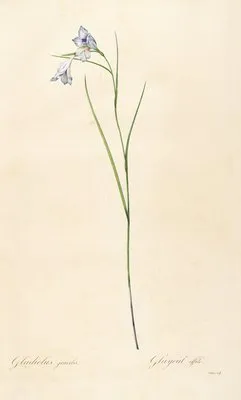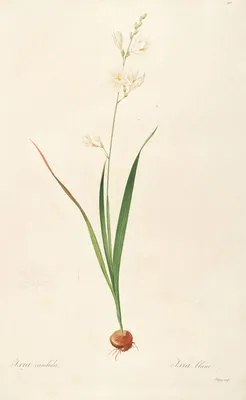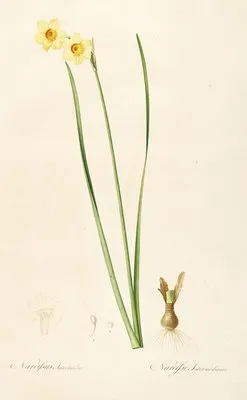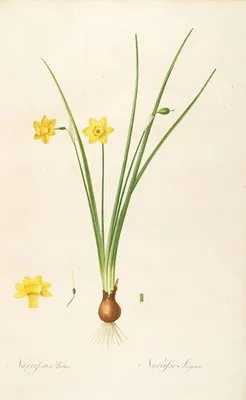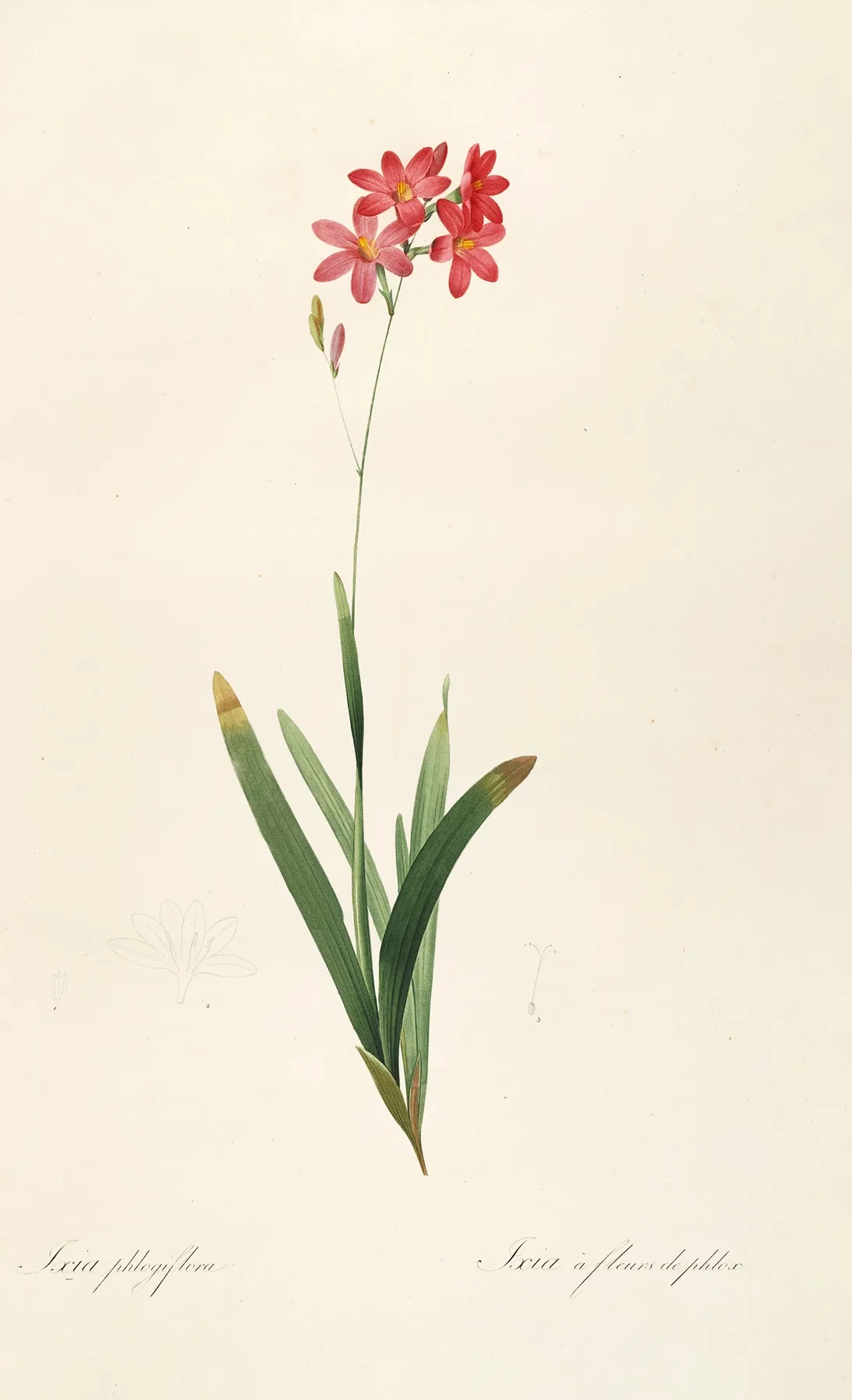
Les liliacees Pl.12
Iru phtnghm|腹足纲
Les liliacees Pl.12
About this plate
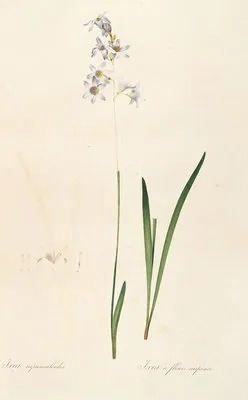
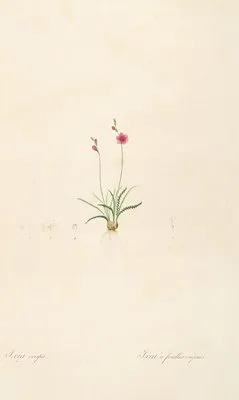
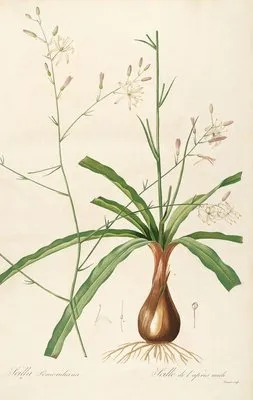
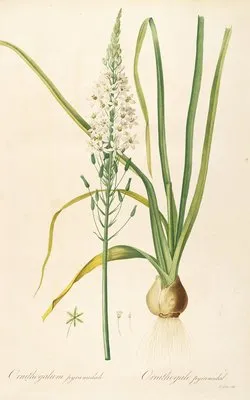
Les liliacees Pl.12 is plate 12, from Les liliacees, drawn by Pierre Joseph Redouté. This public-domain plate is reproduced at high resolution, free to view and download. Publication: Paris, Chez l'auteur, 1805-1816.
Twelve ways of seeing
- measured cast red
- upright 1.64 : 1
- published 1805
- Plate 12
Not a catalogue entry but a way of looking: how to stand, what to notice, how the line was cut, when it flowers, where it came from, who made it — and then the poems and the classics that taught China to see the same flower. Read the twelve in order and the plate opens.
-
First Look
六法者何?一、气韵生动是也;二、骨法用笔是也;三、应物象形是也;四、随类赋彩是也;五、经营位置是也;六、传移模写是也。
—— 南齐·谢赫《古画品录》
The six laws: spirit resonance alive; bone-method in the brush; matching form; colour by kind; planning the placing; copying the masters.
The sheet is vertical: the eye climbs and settles in the upper half. Let the plant stand before you look for detail. Then step in close: watch where colour meets line, and whether the line ever breaks. Third, find the darkest small patch: the whole tonal order is measured from there.
-
Name and Thing
No reliable binomial survives, so the printed title must serve. The Chinese name 腹足纲 is a modern rendering of the Latin, not an old garden name.
-
Form and Colour
Measured on this plate: flower colour covers 2.1% of the sheet, foliage 3.2%, the cast red with a second note of yellow-green. No other plate shares exactly this measure. A bulb of overlapping fleshy scales gives the lily its Chinese name, 'hundred-fold'; six tepals reflex as the flower opens, around six stamens with long, T-shaped anthers.No colour group is recorded. A single plant, laid out with nothing hidden.
-
Composition
Tall and narrow, the plant rising in one movement with generous margins — the upright format of most floras. (about 1.64 : 1) No details are appended: a plate for looking, not for keying out. The plant covers only 6% of the sheet, centred near the centre; the emptiness is where the eye rests. Blank paper is not unfinished work: it is where the eye rests.
-
Line and Colour
The first half of the nineteenth century moved from copper to steel to lithography; stipple could render the softest transition. Decide first whether it was printed or painted; only then discuss whether it is beautiful.
-
Season
Early to high summer, June and July; the flowers last only days, so artists drew them just as they opened. The year 1805 on the plate is that of publication, not of flowering — the gathering came a year or two earlier. The plate records ten days of peak; the other three hundred are leaf, fruit and rest.
-
Provenance
Temperate north — China, Japan, Europe. Long used in Chinese medicine, lilies were hunted in East Asia by nineteenth-century collectors and transformed European gardens. The volume was made in 1805-1816, when most of this knowledge came from living plants under glass.
-
The Book and the Hand
“Les liliacees” was drawn by Pierre Joseph Redouté and published 1805-1816. This plate is Plate 12. The image is public domain; the hand-colouring is still one person's hand.
-
Poetic Resonance
更乞两丛香百合,老翁七十尚童心。
—— 宋·陆游《窗前作小土山蓻兰及玉簪最后得香百合并种之戏作》
The poem gives the mood first and the picture supplies the form; set the line beside the plate and the corolla becomes its resting point.
-
The Written Tradition
百合之根,以众瓣合成也。
—— 明·李时珍《本草纲目·菜部》
The root of the lily is many scales gathered into one — hence the name bai he, “a hundred joined”.
The Bencao Gangmu describes the bulb as garlic-like, edible and medicinal; Song writers already noted that the leaves vary while the flowers stay white. The difference is not of quality but of question: Europe asks what it is, China asks whom it resembles.
-
Symbolism
In the West the white lily is Marian purity, held by the angel of the Annunciation; in China the name sounds like 'a hundred years in harmony', a wedding wish. Flower language was added later; the flower knows nothing of it, and that innocence is part of its power.
-
What to Take Away
Next time you stand before a flowering plant, give it three minutes: leaf arrangement, direction of the flower, the darkest patch. Two centuries on, the plant may still flower in some garden; the one on this sheet stopped in the season of 1805.