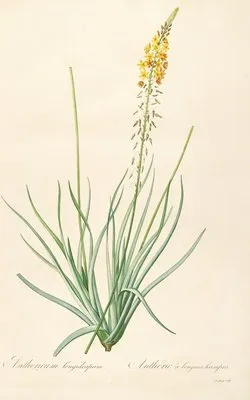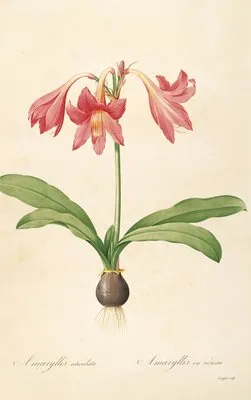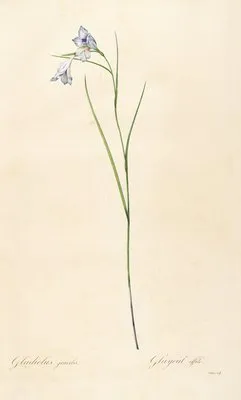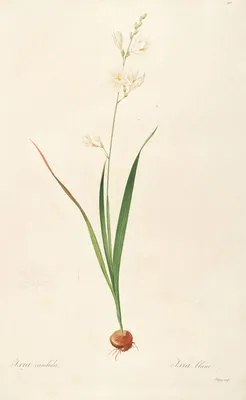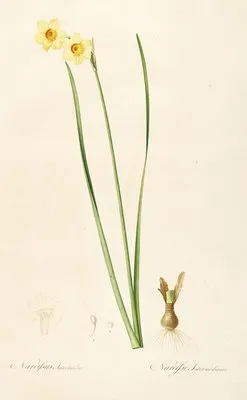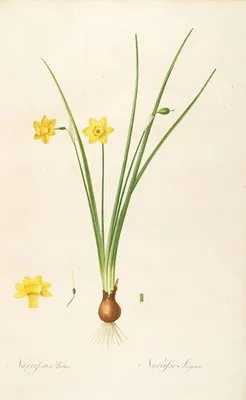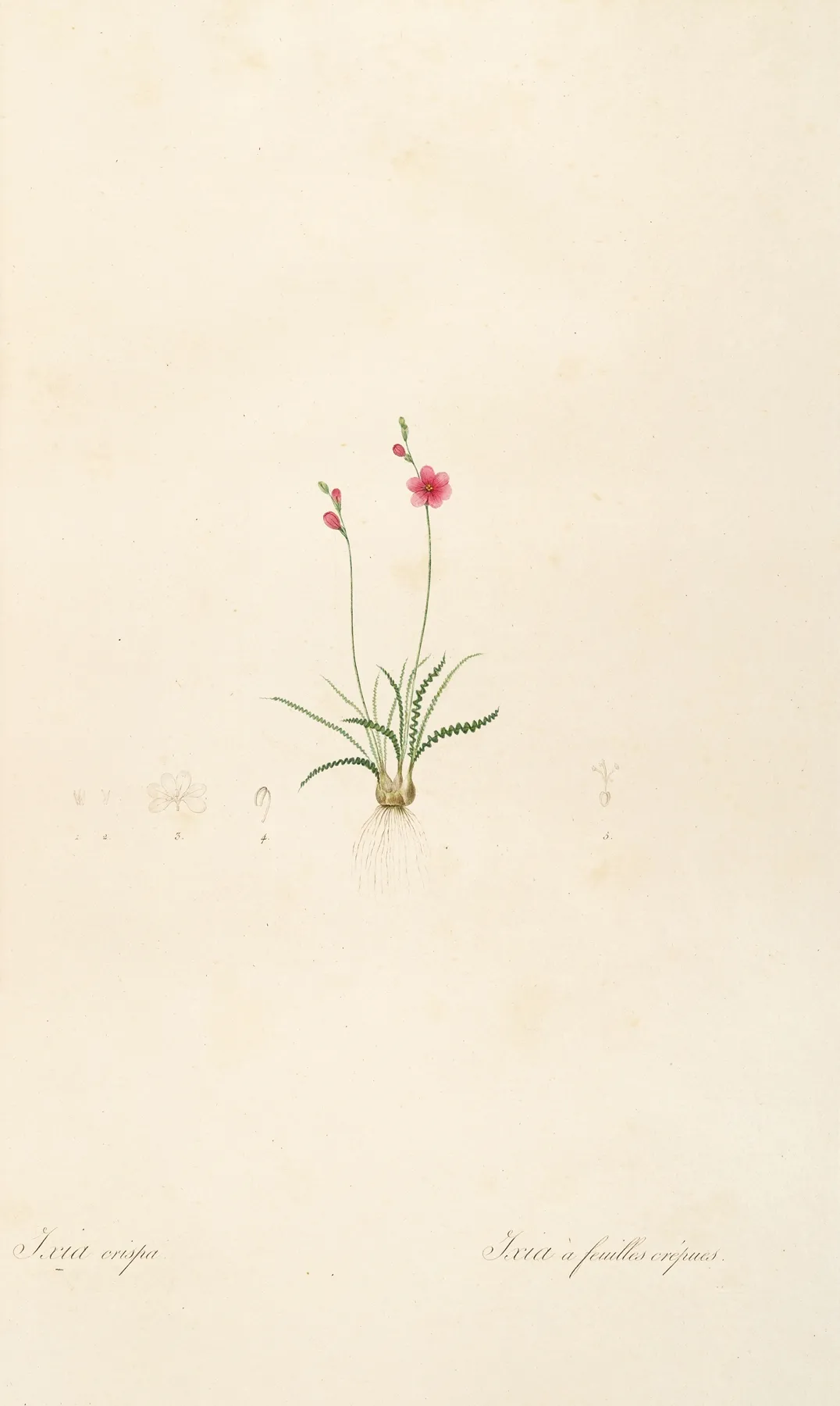
Les liliacees Pl.13
Irtia fuile erjpues|腹足纲
Les liliacees Pl.13
About this plate
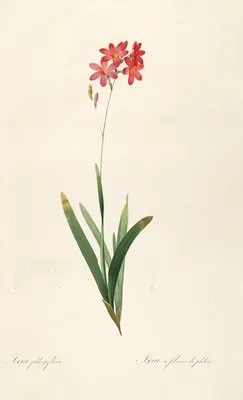
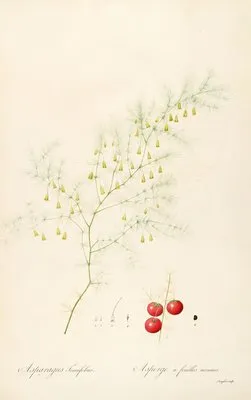
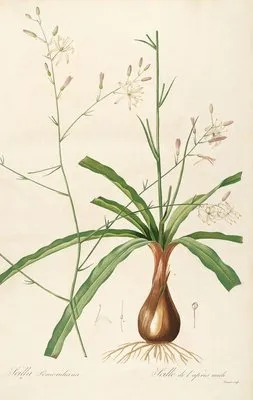
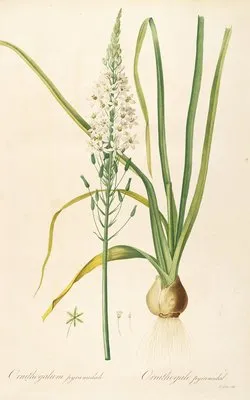
Les liliacees Pl.13 is plate 13, from Les liliacees, drawn by Pierre Joseph Redouté. This public-domain plate is reproduced at high resolution, free to view and download. Publication: Paris, Chez l'auteur, 1805-1816.
Twelve ways of seeing
- measured cast red
- upright 1.67 : 1
- published 1805
- Plate 13
Not a catalogue entry but a way of looking: how to stand, what to notice, how the line was cut, when it flowers, where it came from, who made it — and then the poems and the classics that taught China to see the same flower. Read the twelve in order and the plate opens.
-
First Look
论画以形似,见与儿童邻。
—— 宋·苏轼《书鄢陵王主簿所画折枝》
To judge painting by likeness alone is the view of a child.
The sheet is vertical: the eye climbs and settles in the upper half. Let the plant stand before you look for detail. Then step in close: watch where colour meets line, and whether the line ever breaks. Third, find the darkest small patch: the whole tonal order is measured from there.
-
Name and Thing
No reliable binomial survives, so the printed title must serve. The Chinese name 腹足纲 is a modern rendering of the Latin, not an old garden name.
-
Form and Colour
Measured on this plate: flower colour is sparing, 0.4% of the sheet against 0.2% of foliage, the cast tending red — as with pale or white blooms, outline and tone do the talking. A bulb of overlapping fleshy scales gives the lily its Chinese name, 'hundred-fold'; six tepals reflex as the flower opens, around six stamens with long, T-shaped anthers.No colour group is recorded. A single plant, laid out with nothing hidden.
-
Composition
Tall and narrow, the plant rising in one movement with generous margins — the upright format of most floras. (about 1.67 : 1) No details are appended: a plate for looking, not for keying out. The plant covers only 1% of the sheet, centred near the centre; the emptiness is where the eye rests. Cover the margins with your thumb and the plate suffocates; uncover them and the flower breathes again.
-
Line and Colour
The first half of the nineteenth century moved from copper to steel to lithography; stipple could render the softest transition. There is evidence on the back too: the plate mark pressed into the paper, the slight relief of the pigment, lines worn shallow in a later printing.
-
Season
Early to high summer, June and July; the flowers last only days, so artists drew them just as they opened. The year 1805 on the plate is that of publication, not of flowering — the gathering came a year or two earlier. The best time to read such a plate is its flowering season: three minutes under the tree explains what no text can.
-
Provenance
Temperate north — China, Japan, Europe. Long used in Chinese medicine, lilies were hunted in East Asia by nineteenth-century collectors and transformed European gardens. The volume was made in 1805-1816, when most of this knowledge came from living plants under glass.
-
The Book and the Hand
“Les liliacees” was drawn by Pierre Joseph Redouté and published 1805-1816. This plate is Plate 13. The image is public domain; the hand-colouring is still one person's hand.
-
Poetic Resonance
故乡寒食荼醾发,百合香浓邸舍深。
—— 宋·宋祁《山橙花》
The poem gives the mood first and the picture supplies the form; set the line beside the plate and the corolla becomes its resting point.
-
The Written Tradition
生川谷。《吴普》曰:百合一名重迈,一名中庭,生冠朐及荆山。(艺文类聚引云:一名重匡)《名医》曰:一名重箱,一名摩罗,一名中逢花,一名强瞿,生荆州,二月八月,采根,暴干。
—— 神农本草经·百合第一百七十
The Bencao Gangmu describes the bulb as garlic-like, edible and medicinal; Song writers already noted that the leaves vary while the flowers stay white. The difference is not of quality but of question: Europe asks what it is, China asks whom it resembles.
-
Symbolism
In the West the white lily is Marian purity, held by the angel of the Annunciation; in China the name sounds like 'a hundred years in harmony', a wedding wish. Flower language was added later; the flower knows nothing of it, and that innocence is part of its power.
-
What to Take Away
Carry three rules away: whole before detail; line before colour; picture before book. A flora exists to be consulted; look long enough and you forget to consult — someone in 1805 gave a whole day to a single flower.