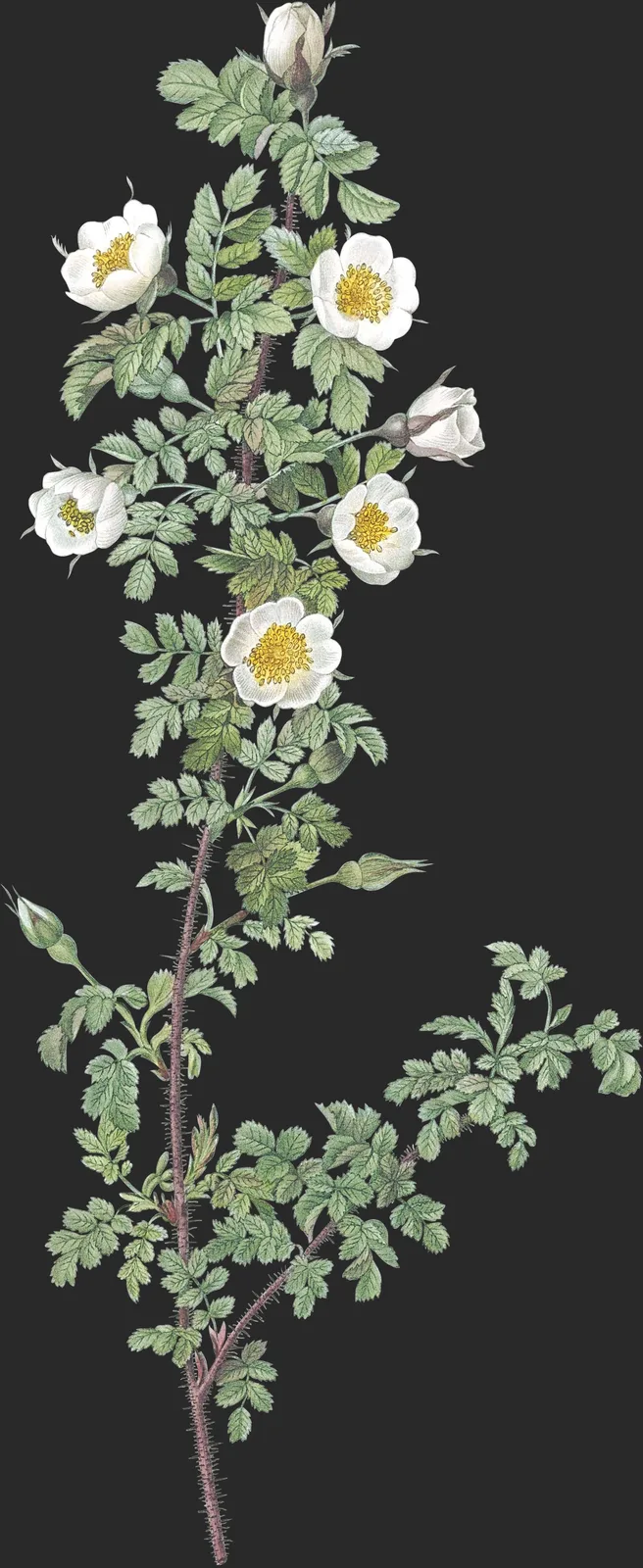
Rosa Pimpinellifolia var Pumila
Rosa Pimpinellifolia var Pumila
Le Petit Rosier Pimprenelle
Ten ways of seeing
- measured cast yellow-green
- upright 2.44 : 1
First Look
六法者何?一、气韵生动是也;二、骨法用笔是也;三、应物象形是也;四、随类赋彩是也;五、经营位置是也;六、传移模写是也。
—— 南齐·谢赫《古画品录》
The six laws: spirit resonance alive; bone-method in the brush; matching form; colour by kind; planning the placing; copying the masters.
The sheet is vertical: the eye climbs and settles in the upper half. Let the plant stand before you look for detail. Then step in close: watch where colour meets line, and whether the line ever breaks. Third, find where the green is deepest: the whole tonal order is measured from that patch.
Name and Thing
The binomial is Rosa pimpinellifolia: the first word is the genus it belongs among, the second the epithet that sets it apart. The genus name Rosa: Rosa is simply the Latin for rose, from Greek rhodon. No established Chinese name exists, so it is cited by its binomial alone.
Form and Colour
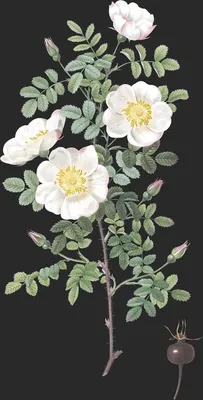
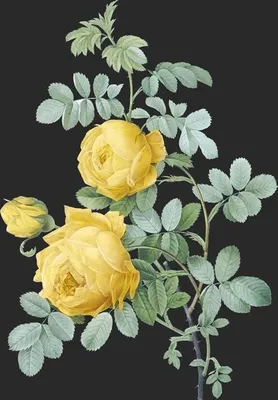
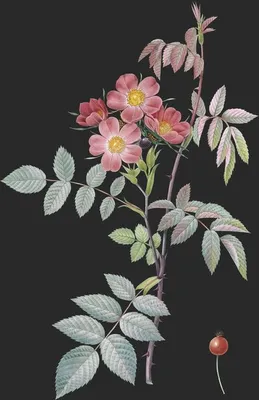
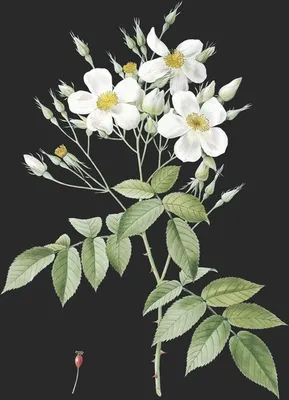
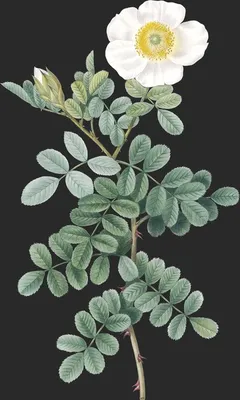
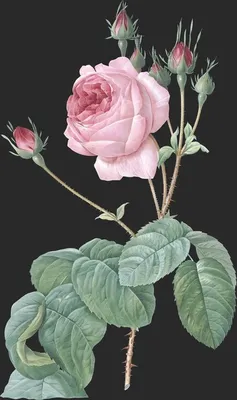
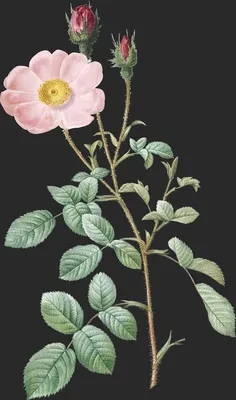
Measured on this plate: flower colour is sparing, 1.2% of the sheet against 6.0% of foliage, the cast tending yellow-green — as with pale or white blooms, outline and tone do the talking. Roses are shrubs or scramblers with pinnate leaves of three to seven serrated leaflets; the double flowers open in crumpled, inward-curling layers around a small knot of yellow stamens. a moss green. Three things fix the habit: leaf arrangement, tepal count, and how the flower is borne.
Composition
The sheet is tall. No details are appended: a plate for looking, not for keying out. The plant covers only 27% of the sheet, centred a little left of centre; the emptiness is where the eye rests.
Line and Colour
The first half of the nineteenth century moved from copper to steel to lithography; stipple could render the softest transition. Take a loupe to three places: petal edge, leaf vein, caption. An unbroken line means engraving; colour crossing the outline means a hand. If you mean to copy it: take its skeleton, its margins and the order of its colours; the burin's hatching is the language of copper — suggest it with pencil density, do not imitate it stroke for stroke.
Poetic Resonance
琼苞素蕊胭脂淡,雪后风前。
—— 宋·无名氏《采桑子》
The poem gives the mood first and the picture supplies the form; set the line beside the plate and the green the corolla becomes its resting point.
Symbolism
In Europe the rose means love and secrecy ('sub rosa'); in Chinese verse the rambling rose leans and clings — lingering attachment rather than ardour. Flower language was added later; the flower knows nothing of it, and that innocence is part of its power.
Season and Place
Late spring into early summer, peaking in May — the first flush of the garden year. the ever-blooming modern rose is a nineteenth-century crossing of European and Chinese stock. The year 1817 on the plate is that of publication, not of flowering — the gathering came a year or two earlier. See this kind of plate in the flowering season if you can: once you have met the living flower, you stop reading only colour.
The Book and the Hand
“Les Roses” carries only Pierre-Joseph Redouté's name. The image is public domain; the hand-colouring is still one person's hand.
What to Take Away
Carry three rules away: whole before detail; line before colour; picture before book. The flower of that year is dust, yet its image on paper has outlived every living cousin.
About this plate
Description
Ce frêle arbuste s’élève à la hauteur de douze à quinze pouces au plus. Le dessin joint à notre description offre un rameau dans sa plus grande élévation, et coupé près des racines. Ses tiges brunes,, sont chargées d’un grand nombre d’aiguillons droits, inégaux, très-serrés. Les folioles, au nombre de sept ou de neuf, sont elliptiques, simplement dentées et glabres des deux côtés; le pétiole qui les supporte est également glabre. Les stipules qu’on trouve à la base de chaque feuille sont bifides et aiguës. Les fleurs naissent solitaires à l’extrémité des ramuscules qui croissent autour des tiges depuis la base jusqu’au sommet. Les pédoncules, ainsi que les tubes arrondis du calice, sont parfaitement glabres. Les divisions calicinales sont simples, quelquefois bifides ou légèrement denticulées au sommet. La corolle se compose de cinq pétales, blancs, un peu jaunes vers l’onglet, échancrés en cœur, concaves, ne se dilatant qu’à moitié; elle conserve, presque jusqu’au moment de leur chüte, la forme sphérique et creuse d’un godet. Le fruit est petit, rouge d’abord, et enfin noir à la maturité.
Observations
Cette Rose, par la figure que lui donnent ses pétales rapprochés en godet, a quelques rapports avec la R. Involuta de Smith qui, cependant, en diffère par ses pédoncules et ses ovaires hispides. Son port la rapproche encore de la R. Myriacantha de M. De Candolle; mais celle-ci s’en éloigne par ses aignillons beaucoup plus longs, ses feuilles doublement dentées, et ses pédicelles hérissés.
Ce Rosier est assez rare dans nos jardins, sans doute parce quon le néglige à cause de sa petitesse; cependant il offre, au printemps, de jolis verticilles de fleurs. Dans certaines villes d’Allemagne les femmes en portent au marché, et on les re cherche à cause de leur précocité et de l’odeur suave qu’elles répandent. L’arbuste croît sur les montagnes dans les lieux arides du nord de l’Europe. Un pied, qui nous a été envoyé des environs de Vienne, que nous cultivons à. Belle-ville, depuis six ans, a constamment conservé son port et n’a pas varié par la culture. Il trace peu: on le multiplie difficilement de marcottes. Il faut se garder de le tailler.
- R. Germinibus globosis pedunculis petiolisque glabris; foliolis elliptico-rotundis; caule aculeis inequalibus rectis, confertissimis; floribus solitaris; lacinis calycinis apice dilatatis. (N.)
- R. Scotica? Miller, Diction. trad. édit. de 1785, vol. 6, page 324.
- R. Pumila spinosissima, foliis pimpinella glabris fl. albo? J. B. hist. 2, pas. 40, cum fig.