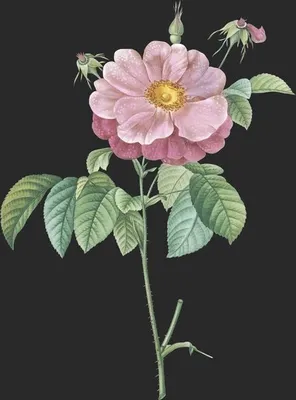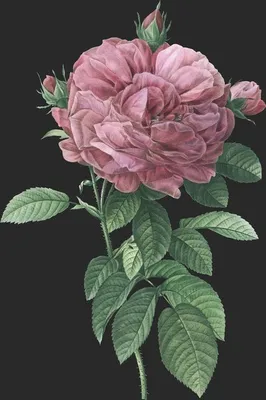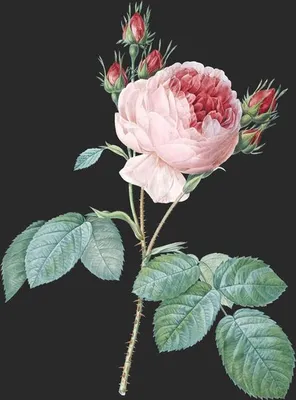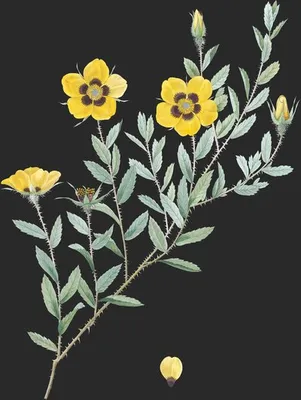
Rosa Sepium var Myrtifolia
狗牙蔷薇
Le Rosier des Haies
Ten ways of seeing
- measured cast yellow-green
- upright 1.79 : 1
First Look
夫象物必在于形似,形似须全其骨气。
—— 唐·张彦远《历代名画记》
Likeness is the threshold; bone-and-breath is the point.
The sheet is vertical: the eye climbs and settles in the upper half. Let the plant stand before you look for detail. Then step in close: watch where colour meets line, and whether the line ever breaks. Third, find where the green is deepest: the whole tonal order is measured from that patch.
Name and Thing
The binomial is Rosa sepium: the first word is the genus it belongs among, the second the epithet that sets it apart. The genus name Rosa: Rosa is simply the Latin for rose, from Greek rhodon. The Chinese name 狗牙蔷薇 is a modern rendering of the Latin, not an old garden name.
Form and Colour
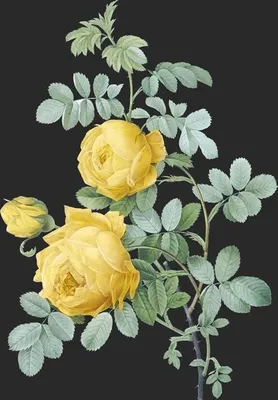
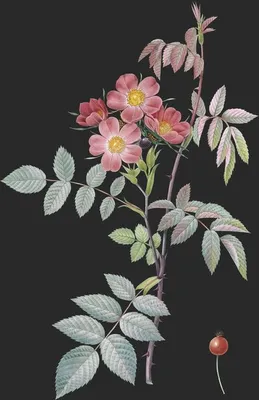
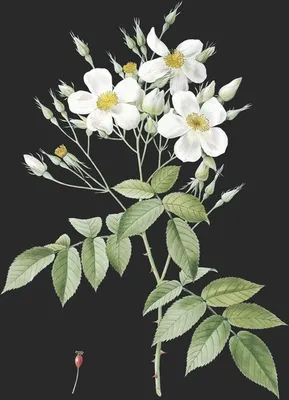
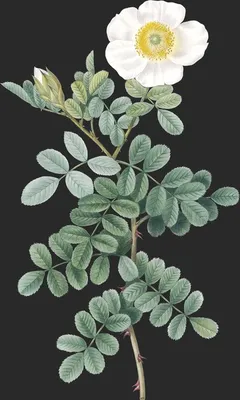
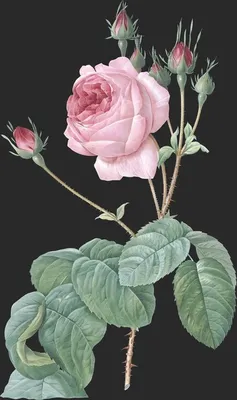
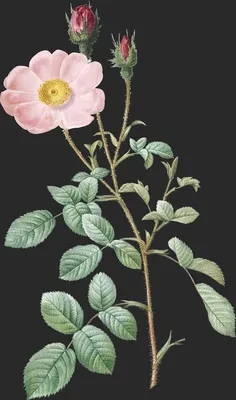
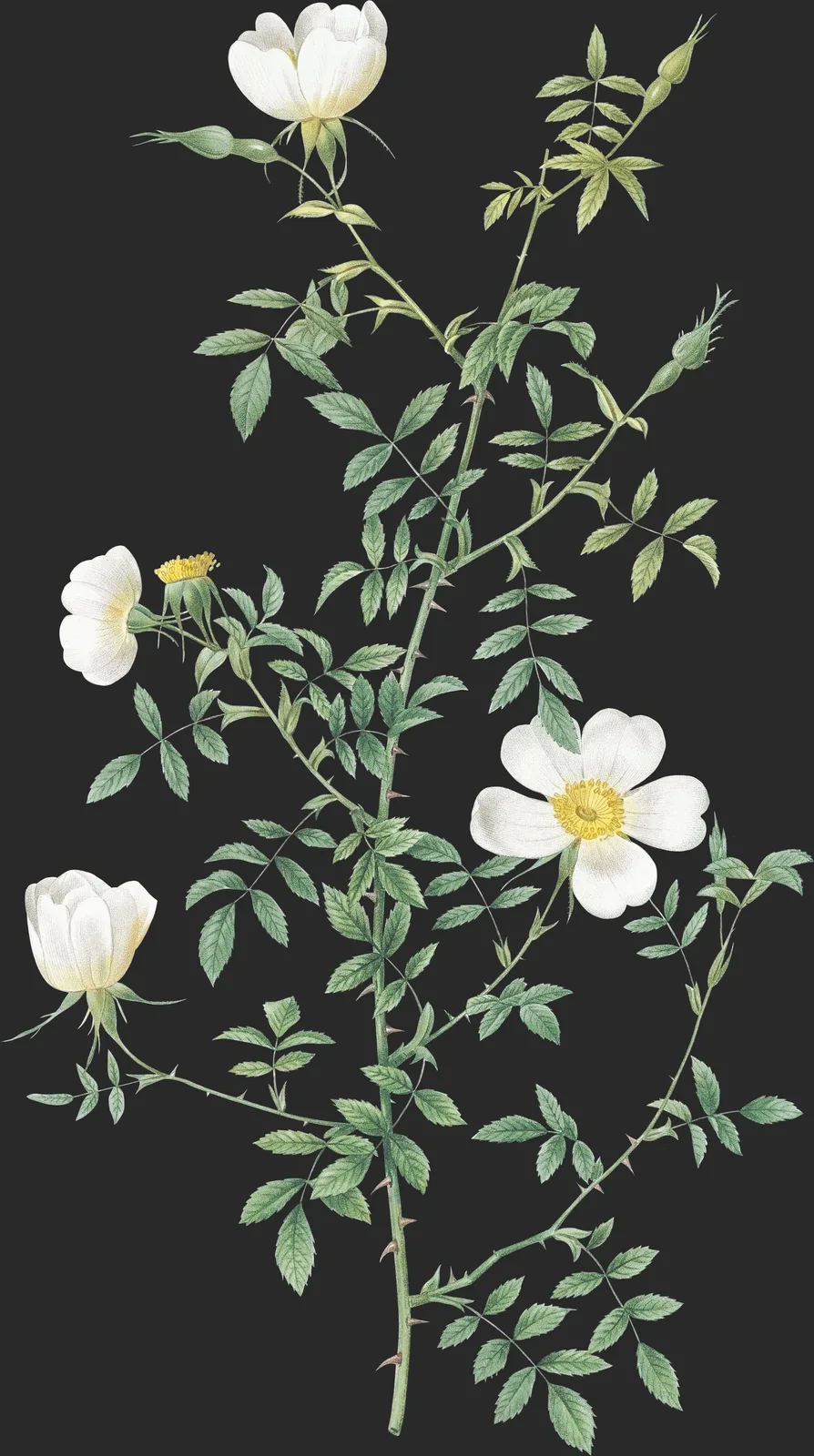
Measured on this plate: flower colour is sparing, 1.0% of the sheet against 5.6% of foliage, the cast tending yellow-green — as with pale or white blooms, outline and tone do the talking. Roses are shrubs or scramblers with pinnate leaves of three to seven serrated leaflets; the double flowers open in crumpled, inward-curling layers around a small knot of yellow stamens. a moss green. A single plant, laid out with nothing hidden.
Composition
The sheet is tall. No details are appended: a plate for looking, not for keying out. The plant covers only 22% of the sheet, centred near the centre; the emptiness is where the eye rests.
Line and Colour
The first half of the nineteenth century moved from copper to steel to lithography; stipple could render the softest transition. Craft leaves franker evidence than inscriptions. If you mean to copy it: take its skeleton, its margins and the order of its colours; the burin's hatching is the language of copper — suggest it with pencil density, do not imitate it stroke for stroke.
Poetic Resonance
波涛静,泛洞庭青草,重整兰舟。
—— 宋·刘过《沁园春》
The poem gives the mood first and the picture supplies the form; set the line beside the plate and the green the corolla becomes its resting point.
Symbolism
In Europe the rose means love and secrecy ('sub rosa'); in Chinese verse the rambling rose leans and clings — lingering attachment rather than ardour. Meanings change their tune: the same flower can say opposite things within a century.
Season and Place
Late spring into early summer, peaking in May — the first flush of the garden year. the ever-blooming modern rose is a nineteenth-century crossing of European and Chinese stock. The year 1824 on the plate is that of publication, not of flowering — the gathering came a year or two earlier. The bud and the ripe fruit on one branch tell the season; the name in the title often tells the journey.
The Book and the Hand
“Les Roses” carries only Pierre-Joseph Redouté's name. The image is public domain; the hand-colouring is still one person's hand.
What to Take Away
Carry three rules away: whole before detail; line before colour; picture before book. Two centuries on, the plant may still flower in some garden; the one on this sheet stopped in the season of 1824.
About this plate
Description
Arbrisseau remarquable par ses feuilles petites, luisantes en-dessus, assez semblables, par leur forme, aux feuilles du myrte, mais qui diffère du R. Sepium de Thuillier par ses tiges moins élevées, ses folioles plus petites, et quelques autres caractères.
Les tiges de notre Rosier, hautes de trois pieds, au plus, sont très-rameuses, diffuses, réunies en buisson, d’un vert jaunâtre, et lisses. Ses rameaux débiles, à-peu-près pendants, sont armés d’aiguillons forts, crochus, assez rapprochés, quelquefois géminés à la base des stipules. Les feuilles se composent de sept, rarement de cinq folioles, inodores, ovales-pointues à la base et au sommet, finement dentées en scie, glabres et comme luisantes en-dessus, munies en-dessous de petis poils très-courts entremêlés de glandes. Elles sont portées par un pétiole légèrement tomenteux, glanduleux, aiguil-lonné, ayant à sa base deux stipules décurrentes, bifides, pointues au sommet. Les fleurs, latérales et terminales, sont le plus souvent solitaires à l’extrémité des ramuscules qui sortent des branches principales. Le tube du calice est ovoïde et glabre ainsi que le pédoncule qui le supporte. Les divisions du limbe sont allongées et pinnatifides, lisses à l’extérieur, garnies d’un léger duvet à l’intérieur. Corolle de cinq pétales d’abord blanchâtres, mais qui se couvrent, promptement, d’une teinte rougeâtre à l’exposition du soleil. Etamines nombreuses; styles presque glabres. Le fruit, de forme elliptique, d’abord rouge, noircit à la maturité.
Observations
Cette variété est un peu moins commune que toutes les autres du même groupe. Haller fils l’a rencontrée sur les montagnes de la Suisse; et nous l’avons reçue, quoique sous différents noms, de divers départements de la France. On la trouve sur la lisière des bois aux environs de Paris, et on la confond souvent avec le Sepium de Thuillier, dont les fo-lioles sont glabres et non luisantes en-dessus, comme celles de notre Rosier.
L’arbrisseau se plaît dans les lieux secs et arides. Quelques personnes le cultivent à cause de la singularité de son feuil-lage. Il donne ses fleurs, toujours peu nombreuses, en juin et juillet.
- R. germinibus oblongo-ovatis, pedunculisque glabris; foliolis par-vulis, basi apiceque acutis, subtus glanduloso-pilosis; petiolis sub-tomentosis, cauleque aculeatis; floribus ex albo roseis, subsoli-taris. (N.)
- R. sepium myrtifolia. Red. Roses, vol. 2, p. 62. Thy. Prod. p. 114, var. δ.
- R. (Myrtifolia). Hall. fil. Ex Schleicher, Cat. plant. helv. exsiccatarum, ab anno 1794 et seqq.
- R. (Canina myrtifolia). Du P. Gymnas. Ros. in Thy. R. Candolleana, P. 13, div. 1re, № 6.