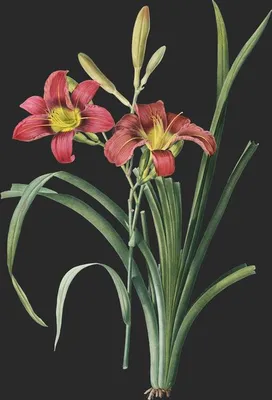
Leucoium Trichophyllum
Nivéole a Feuilles Menues
Nivéole a Feuilles Menues
About this plate
Description
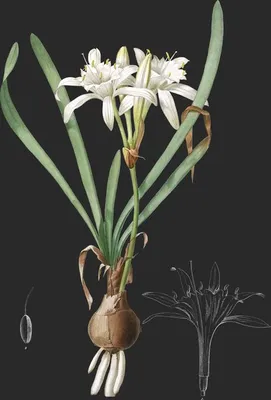
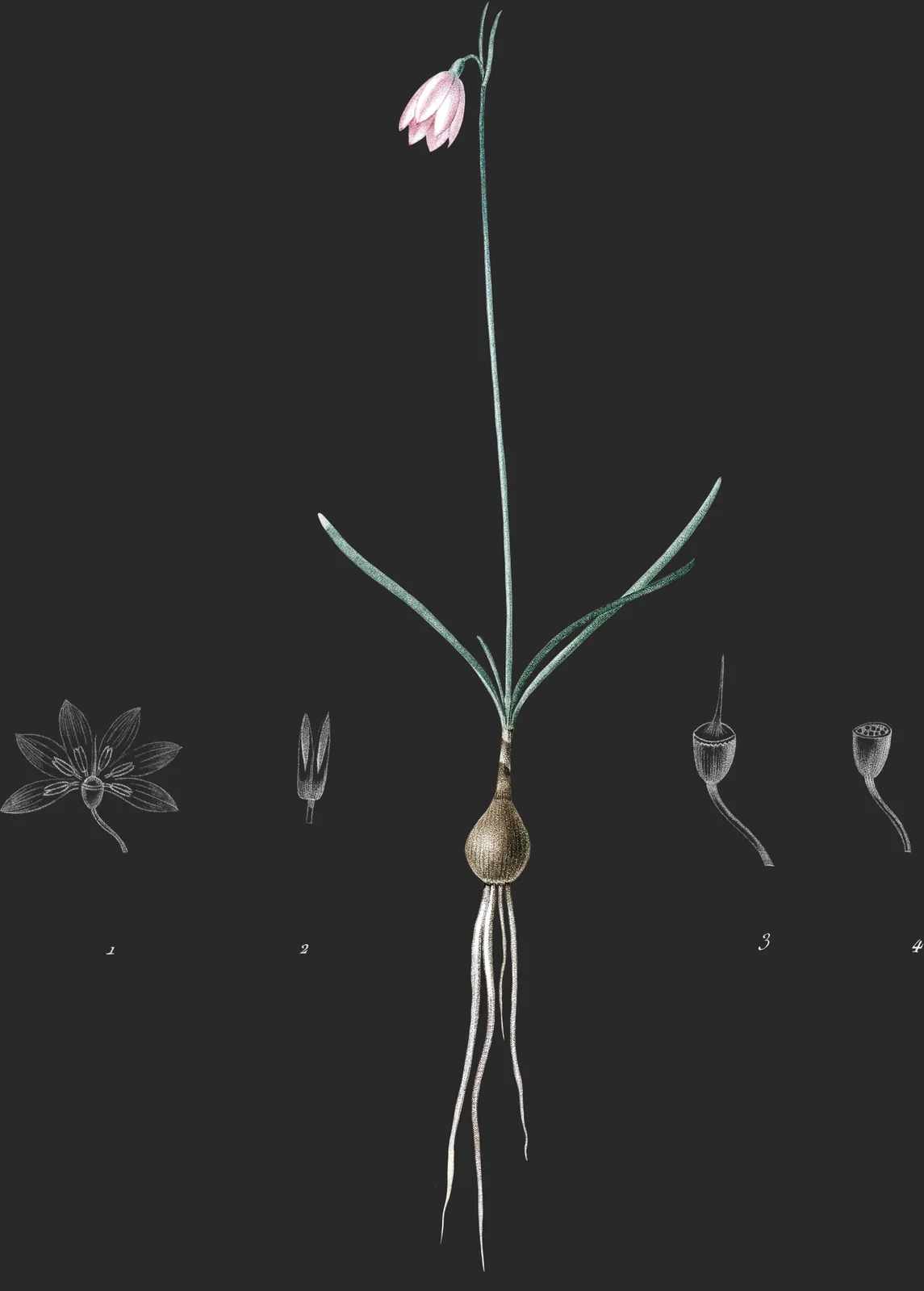
Une bulbe globuleuse et qui ne dépasse guère la grosseur d’an noyau de cerise, donne naissance à 3–4 feuilles droites, linéaires, très-menues, et qui garnissent le bas de la hampe pendant toute la fleuraison; tandis que celles de la Nivéole d’automne ne sortent de terre qu’à la fin de la fleuraison.
La hampe est grêle, longue d’un décimètre. Dans la var, A, observée en Barbarie par M. Schousboi, la hampe se termine par deux fleurs blanches. Dans la var. B, que nous avons sous les yeux, la hampe ne porte qu’une seule fleur de couleur rose: malgré cette différence, nous sommes persuadés que ces deux plantes appartiennent à la même espèce; dans l’une et l’autre, les fleurs sortent d’une spathe composée de deux valves linéaires; le pédicelle de la fleur est plus court que les valves de la spathe, au moins dans les individus que nous avons observés.
La fleur est plus petite que dans toutes les autres espèces de Nivéoles, et s’en distingue encore en ce que ses lobes sont pointus et nullement calleux au sommet. Les anthères sont presque sessiles au fond de la fleur, et s’ouvrent au sommet par deux pores oblongs. Le style est grêle, filiforme, pointa, d’un blanc-rose, plus long que les anthères, plus court que les divisions de la fleur.
Histoire
La var. A a été découverte par M. Schousboë, dans les plaines sablonneuses de la Barbarie, aux environs de Tanger, près Schaarf et Kaab: elle y fleurit au milieu de l’hiver.
La var. B a été observée dans File de Corse par M. Lahaie, qui en a envoyé des bulbes au Jardin des Plantes, où elle a fleuri dans le commencement de T’hiver.
Cette espèce mériterait le nom de Leucoium hiemale, d’autant plus justement, que ce nom serait symétrique avec ceux des autres espèces, et que celui qui lui a été imposé peut induire en erreur, parce qu’il avait été primitivement donné par Reneaulme à l’espèce précédente.
Fam. des Narcisses. Juss.—Hexandrie monogynie. Lin.
- Leucoium trichophyllum. L. spathâ diphyllâ, stylo filiformi, petalis lanceo-latis acutis.
- A. biflorum.
- Leucoium trichophyllum. L. spatha diphylla biflorâ, petalis lanceolatis acutis, stylo filiformi. Schausb. Maroc. p. 140. Pers. Ench. 349.
- B. uniflorum. Tab. 150. fig. 1. a. b. c. d.
Twelve ways of seeing
- measured cast amber
- upright 1.40 : 1
- published 1805
- Plate 150
Not a catalogue entry but a way of looking: how to stand, what to notice, how the line was cut, when it flowers, where it came from, who made it — and then the poems and the classics that taught China to see the same flower. Read the twelve in order and the plate opens.
-
First Look
六法者何?一、气韵生动是也;二、骨法用笔是也;三、应物象形是也;四、随类赋彩是也;五、经营位置是也;六、传移模写是也。
—— 南齐·谢赫《古画品录》
The six laws: spirit resonance alive; bone-method in the brush; matching form; colour by kind; planning the placing; copying the masters.
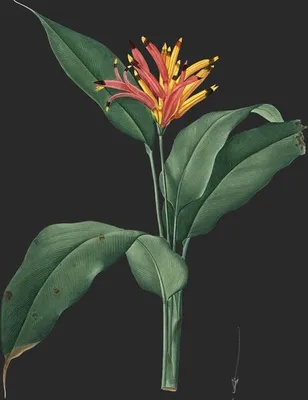
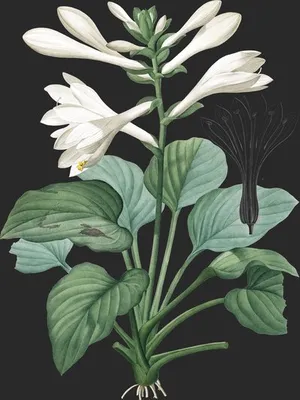
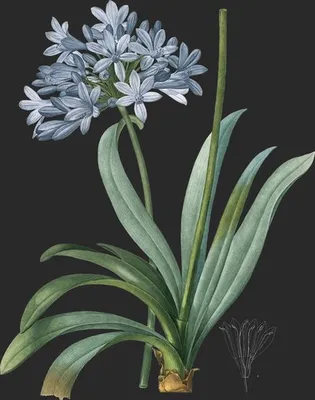
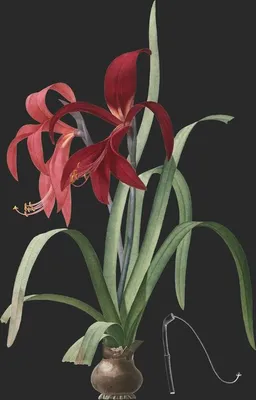
The sheet is vertical: the eye climbs and settles in the upper half. Let the plant stand before you look for detail. Then step in close: watch where colour meets line, and whether the line ever breaks. Third, find where the orange is deepest: the whole tonal order is measured from that patch.
-
Name and Thing
The binomial is Leucoium trichophyllum: the first word is the genus it belongs among, the second the epithet that sets it apart. Two words carry a whole provenance. The older system filed it under Amaryllidaceæ by overall affinity; Linnaeus, counting stamens only, placed it in Hexandria — two ways of asking what a plant is. No established Chinese name exists, so it is cited by its binomial alone.
-
Form and Colour
Measured on this plate: flower colour is sparing, 0.2% of the sheet against 0.2% of foliage, the cast tending amber — as with pale or white blooms, outline and tone do the talking. Bulbous plants store the year underground — bulb, corm or tuber — then send up a few thick leaves and a single scape, with six tepals in cup, funnel or star. Filed under orange — an amber orange, built in washes from a pale ground. Three things fix the habit: leaf arrangement, tepal count, and how the flower is borne.
-
Composition
Tall and narrow, the plant rising in one movement with generous margins — the upright format of most floras. (about 1.40 : 1) No details are appended: a plate for looking, not for keying out. The plant covers only 3% of the sheet, centred near the centre; the emptiness is where the eye rests. Old plates set the plant slightly off centre, with unequal margins — that small imbalance is what keeps it alive.
-
Line and Colour
The first half of the nineteenth century moved from copper to steel to lithography; stipple could render the softest transition. Craft leaves franker evidence than inscriptions.
-
Season
Early spring to early summer, genus by genus: tulips and hyacinths first, gladiolus and amaryllis later. The year 1805 on the plate is that of publication, not of flowering — the gathering came a year or two earlier. The plate records ten days of peak; the other three hundred are leaf, fruit and rest.
-
Provenance
Three homelands: the Mediterranean, Central Asia and South Africa. The tulip came from Ottoman gardens and became a Dutch mania; South African bulbs filled European glasshouses after 1800. The volume was made in 1802-1816, when most of this knowledge came from living plants under glass.
-
The Book and the Hand
“The Liliaceae” was drawn by Pierre-Joseph Redouté and published 1802-1816. This plate is Plate 150, book page 150. The image is public domain; the hand-colouring is still one person's hand.
-
Poetic Resonance
郁金垂嫩柳,罯画委高笼。
—— 唐·元稹《春六十韻》
The poem gives the mood first and the picture supplies the form; set the line beside the plate and the orange the corolla becomes its resting point.
-
The Written Tradition
写气图貌,既随物以宛转;属采附声,亦与心而徘徊。
—— 南朝梁·刘勰《文心雕龙·物色》
In tracing the spirit and drawing the shape one follows the object; in choosing colour and sound one lingers with the heart.
Li Bai's 'orchid wine, fragrant with yujin' is often misread as tulips; the Tang yujin was a turmeric-like root used to scent wine — same name, different plant. The difference is not of quality but of question: Europe asks what it is, China asks whom it resembles.
-
Symbolism
The tulip was an imperial emblem in Istanbul and a speculative bubble in Amsterdam; the hyacinth sprang from a boy's blood in Greek myth. What bulbs share is concealment: next year kept underground. This plate leans orange, which in flower language adds one more degree of feeling. Meanings change their tune: the same flower can say opposite things within a century.
-
What to Take Away
Carry three rules away: whole before detail; line before colour; picture before book. Two centuries on, the plant may still flower in some garden; the one on this sheet stopped in the season of 1805.