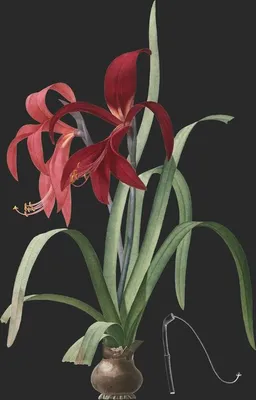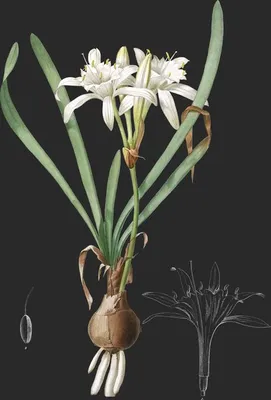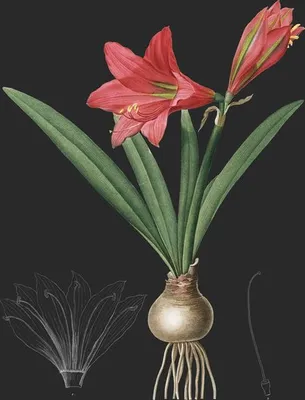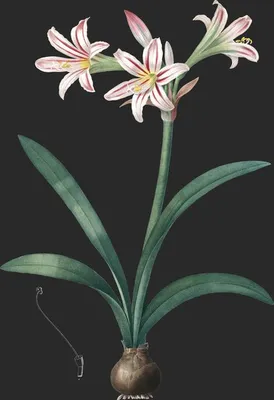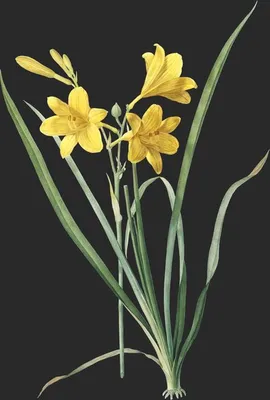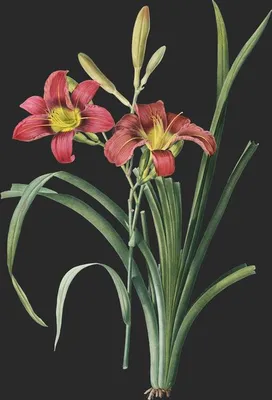
Narcissus Calathinus
水仙属·Narcissus Calathinus
Narcisse a Grande Coupe
Ten ways of seeing
- measured cast yellow-green
- upright 2.69 : 1
First Look
六法者何?一、气韵生动是也;二、骨法用笔是也;三、应物象形是也;四、随类赋彩是也;五、经营位置是也;六、传移模写是也。
—— 南齐·谢赫《古画品录》
The six laws: spirit resonance alive; bone-method in the brush; matching form; colour by kind; planning the placing; copying the masters.
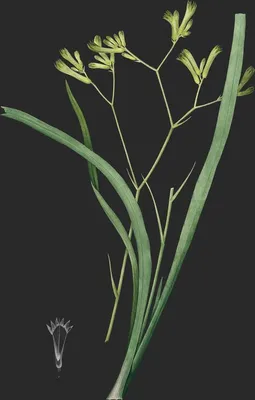
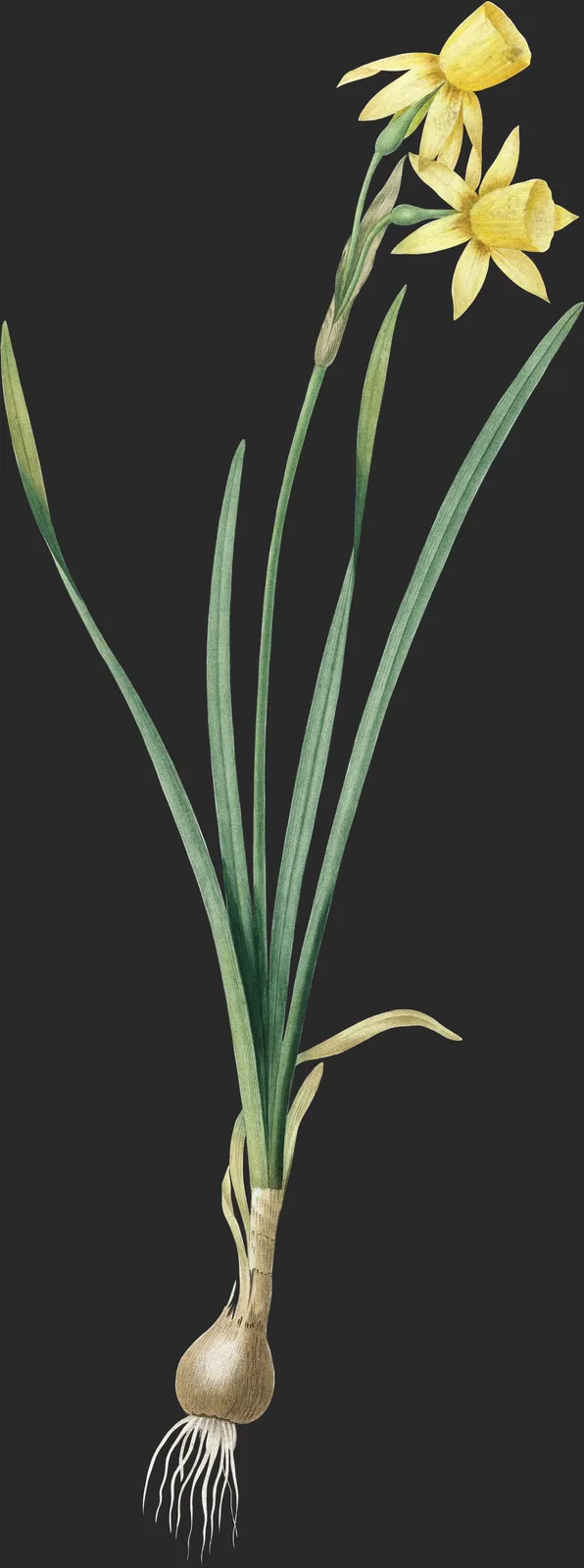
The sheet is vertical: the eye climbs and settles in the upper half. Let the plant stand before you look for detail. Then step in close: watch where colour meets line, and whether the line ever breaks. Third, find where the yellow is deepest: the whole tonal order is measured from that patch. The pose leans right: the upper half carries 19 points further right than the lower — a living thing, not a diagram.
Name and Thing
The binomial is Narcissus calathinus: the first word is the genus it belongs among, the second the epithet that sets it apart. The genus name Narcissus: Narcissus is the youth of Greek myth who fell in love with his own reflection. The older system filed it under Amaryllidaceæ by overall affinity; Linnaeus, counting stamens only, placed it in Hexandria — two ways of asking what a plant is. No established Chinese name exists, so it is cited by its binomial alone.
Form and Colour
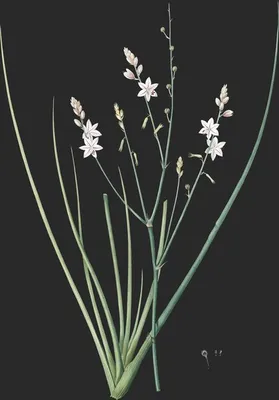
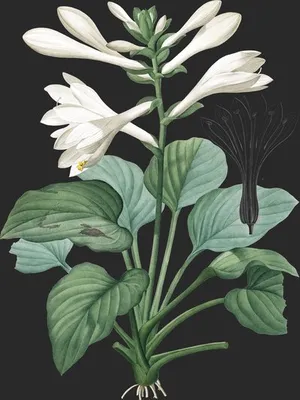
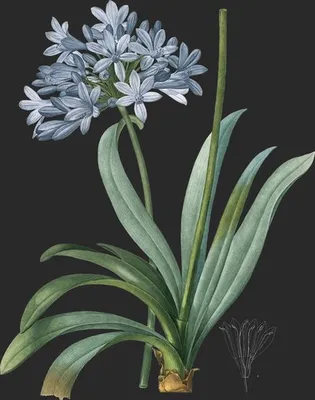
Measured on this plate: flower colour covers 4.6% of the sheet, foliage 3.6%, the cast yellow-green with a second note of amber. No other plate shares exactly this measure. A layered bulb, upright strap leaves, six white tepals and a small golden cup — the Chinese name is 'silver terrace with a golden cup'. Filed under yellow — a honey-yellow, built in washes from a pale ground. A single plant, laid out with nothing hidden.
Composition
The sheet is tall. No details are appended: a plate for looking, not for keying out. The plant covers only 14% of the sheet, centred a little right of centre; the emptiness is where the eye rests.
Line and Colour
The first half of the nineteenth century moved from copper to steel to lithography; stipple could render the softest transition. Decide first whether it was printed or painted; only then discuss whether it is beautiful. If you mean to copy it: take its skeleton, its margins and the order of its colours; the burin's hatching is the language of copper — suggest it with pencil density, do not imitate it stroke for stroke.
Poetic Resonance
曾为水仙佩,相识楚辞中。
—— 宋·苏轼《题杨次公蕙》
The poem gives the mood first and the picture supplies the form; set the line beside the plate and the yellow the corolla becomes its resting point.
Symbolism
In China it is the New Year's offering — clear, fragrant, a little otherworldly; in Europe, because of Narcissus, it means self-love and the gaze turned inward. This plate leans yellow, which in flower language adds one more degree of feeling. Meanings change their tune: the same flower can say opposite things within a century.
Season and Place
Late winter into early spring: forced in water in the twelfth month, blooming at the New Year. Zhangzhou in Fujian has grown it since Ming times. The year 1805 on the plate is that of publication, not of flowering — the gathering came a year or two earlier. Read the locality and the flowering season both with a discount: one is hearsay, the other a ten-day peak.
The Book and the Hand
“The Liliaceae” carries only Pierre-Joseph Redouté's name. From drawing to plate the sheet passed through several hands — the engraver aimed at accuracy, the colourist at speed, and between them lies each plate's unevenness.
What to Take Away
Appreciation is not knowledge but habit — one more look each time. A flora exists to be consulted; look long enough and you forget to consult — someone in 1805 gave a whole day to a single flower.
About this plate
Description
Une bulbe arrondie, de la grosseur d’une petite noix, donne naissance à plusieurs feuilles planes, glabres, longues de 2–3 décimètres sur 6 à 7 millimètres de largeur, a-peu-près linéaires, obtuses au sommet. D’entre les feuilles sort une hampe droite et à-peu-près de la même longueur qu’elles. Cette hampe se termine par une spathe membraneuse, blanchâtre, droite, pointue, fendue latéralement jusqu’aux deux tiers de sa longueur, tubuleuse à sa base; les pédicelles qui sortent de cette spathe sont un peu plus longs qu’elle, et au nombre de deux dans l’individu que j’ai sous les yeux.
La fleur est jaune, assez grande; le périgone, qui adhère à l’ovaire par sa base, a un tube cylindrique, d’où partent à l’extérieur six lanières très-étalées, oblongues, obtuses, avee une petite pointe, longue de a centimètres sur 6 mil. limètres de largeur; à l’intérieur, on trouve un godet (nectaire Lin.) pétaloide, très-ample, de la même longueur que les lanières du périgone, presque entier, ou plutôt tres-légèrement crénelé ou sinué sur les bords.
Les six étamines, qui n’offrent rien de particulier, sont attachées au périgone et cachées dans le godet. L’ovaire est vert, ovoide-triangulaire, chargé d’un style simple, filiforme, qui sélève d-peu-près à la longueur du godet, et qui se termine par un stigmate à trois petits mamelons.
Je n’ai pas vu le frait.
Histoire
Cette plante est généralement regardée comme étant indigène de l’Orient et des provinces méridionales de l’Europe: cependant cette opinion, accréditée dans les jardins où le Narcisse à grande coupe a été autrefois cultivé, n’est fondée sur aucune preuve certaine. M. Bonnemaison de Quimper l’a trouvé sauvage aux iles de Glénans, département du Finistère, et nous en a communiqué un bel individa, qui a servi à faire la figure et la description que nous présentons ici, et qui donne la première indication précise que nous possédions sur la partie du Narcisse à grande coupe. ♃.
Ce Narcisse fleurit au printemps, et mériterait, autant que plusieurs autres espèces du même genre, d’être cultivé dans les jardins: sa fleur est odorante, d’après le témoignage de l’Ecluse.
Observations
La plante de l’Ecluse citée plus haut parait bien appartenir à notre espèce, quoique la figure indique les lanières de la fleur plus longues que le godet, et la spathe à trois fleurs. Dans la description, l’Ecluse dit que sa plante porte deux ou trois fleurs, et fait remarquer que son godet est proportionnellement plus grand que dans aucune autre espèce de Narcisse; détails qui s’accordent beaucoup mieux avec notre plante que la figure jointe à sa description.
Fam. des Narcisses. Juss.—Hexandrie monogynie. Lin.
- Narcissus calathinus. N. spathâ multiflorâ, nectario campanulato subæquante petala, foliis planis. Lin. Spec. 415. Willd. Spec. 2. p. 39. Lam. Dict. 4. p. 425.
- Narcissus angustifolios flavus magno canle. C. Bauh. pin. 51. Rudb. Elys. 2. p. 60. f. 5.
- Narcissus ix angustifolius 1. Clus. hist. 1. p. 158. f. 1.