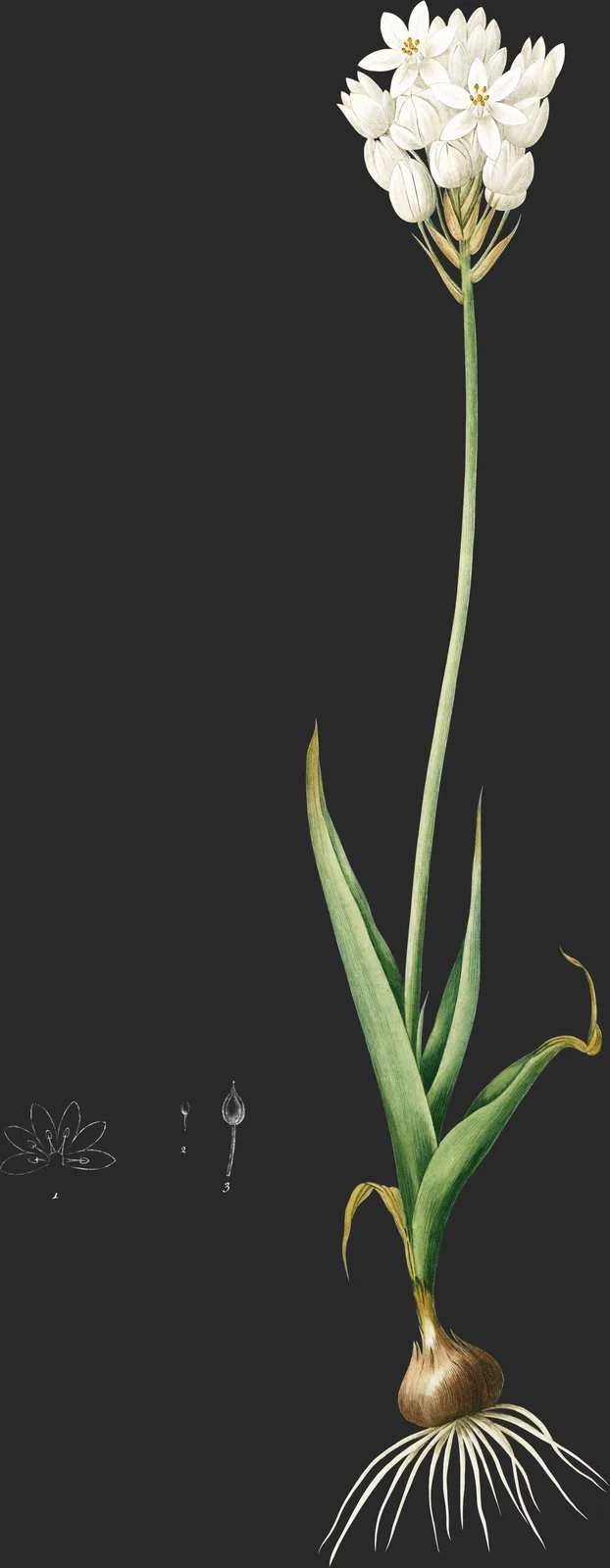
Ornithogalum Thyrsoides
伞花虎眼万年青
Ornithogale en Thyrse
Ten ways of seeing
- measured cast yellow-green
- upright 2.57 : 1
First Look
竖划三寸,当千仞之高;横墨数尺,体百里之迥。
—— 南朝宋·宗炳《画山水序》
A vertical stroke of three inches stands for a cliff of a thousand fathoms; a few feet of ink holds a hundred li.
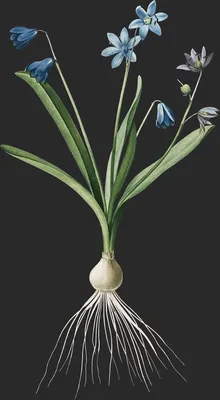
The sheet is vertical: the eye climbs and settles in the upper half. Let the plant stand before you look for detail. Then step in close: watch where colour meets line, and whether the line ever breaks. Third, find where the green is deepest: the whole tonal order is measured from that patch.
Name and Thing
The binomial is Ornithogalum thyrsoides: the first word is the genus it belongs among, the second the epithet that sets it apart. Two words carry a whole provenance. The older system filed it under Asparagaceæ by overall affinity; Linnaeus, counting stamens only, placed it in Hexandria — two ways of asking what a plant is. The Chinese name 伞花虎眼万年青 is a modern rendering of the Latin, not an old garden name.
Form and Colour
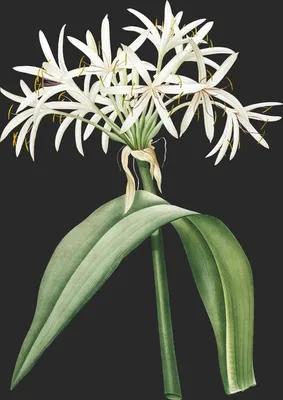
Measured on this plate: flower colour covers 1.6% of the sheet, foliage 3.3%, the cast yellow-green with a second note of amber. No other plate shares exactly this measure. Bulbous plants store the year underground — bulb, corm or tuber — then send up a few thick leaves and a single scape, with six tepals in cup, funnel or star. a moss green. Read the outline, then the colour layers, then the brush.
Composition
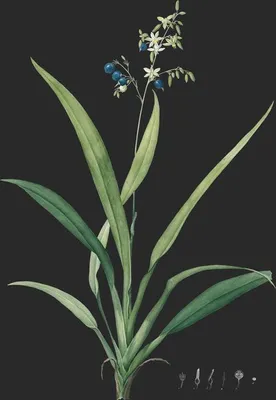
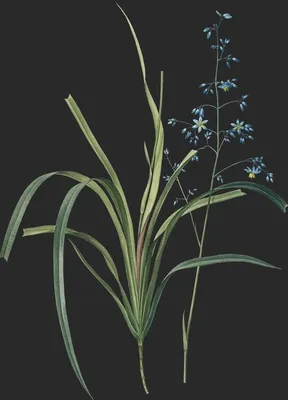
The sheet is tall. No details are appended: a plate for looking, not for keying out. The plant covers only 10% of the sheet, centred a little right of centre; the emptiness is where the eye rests.
Line and Colour
The first half of the nineteenth century moved from copper to steel to lithography; stipple could render the softest transition. Decide first whether it was printed or painted; only then discuss whether it is beautiful. If you mean to copy it: take its skeleton, its margins and the order of its colours; the burin's hatching is the language of copper — suggest it with pencil density, do not imitate it stroke for stroke.
Poetic Resonance
满园花菊郁金黄,中有孤丛色似霜。
—— 唐·白居易《重陽席上賦白菊》
The poem gives the mood first and the picture supplies the form; set the line beside the plate and the green the corolla becomes its resting point.
Symbolism
The tulip was an imperial emblem in Istanbul and a speculative bubble in Amsterdam; the hyacinth sprang from a boy's blood in Greek myth. What bulbs share is concealment: next year kept underground. Meanings change their tune: the same flower can say opposite things within a century.
Season and Place
Early spring to early summer, genus by genus: tulips and hyacinths first, gladiolus and amaryllis later. Three homelands: the Mediterranean, Central Asia and South Africa. The tulip came from Ottoman gardens and became a Dutch mania. The year 1811 on the plate is that of publication, not of flowering — the gathering came a year or two earlier. Read the locality and the flowering season both with a discount: one is hearsay, the other a ten-day peak.
The Book and the Hand
“The Liliaceae” carries only Pierre-Joseph Redouté's name. A plate is collective work: drawer, engraver and colourist were different hands, and the unnamed ones decided how good it looks.
What to Take Away
Next time you stand before a flowering plant, give it three minutes: leaf arrangement, direction of the flower, the darkest patch. The flower of that year is dust, yet its image on paper has outlived every living cousin.
About this plate
Description
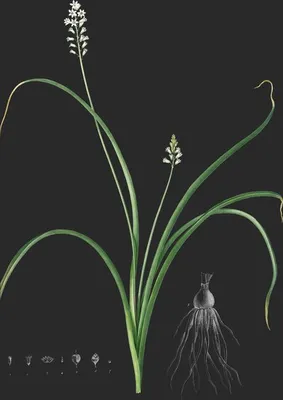
Une bulbe arrondie, déprimée, couverte de tuniques brunes, émet par sa base des fibres radicales blanches et nombreuses, et, par sa partie supérieure, des feuilles linéaires-lancéolées, droites, courbées en gouttière, un peu poin-tues, d’un vert pâle, glabres et finement ciliées sur les bords.
Au milieu de ces feuilles & élève une hampe droite, eylindrique, nue, glabre, haute de trois à huit décimètres, ferminée par une grappe de fleurs assez serrée, qui d’abord courte, ovale, un peu conique, sallonge pendant la floraison et devient quelquefois presque cylindrique. Chaque fleur est supportée par un pédicelle long de deux à six centimètres, à la base duquel est une bractée mem-braneuse, blanche, lancéolée, aigué, un peu plus courte que lui.
Le périgone est à six divisions demi-étalées, ovales, un peu aigués, concaves, égales entre elles, d’un beau blane, avee une petite tache verte à leur base.
Les étamines sont de moitié plus courtes que les segments du périgone. Trois de leurs filaments sont simples, et en forme d’aléne; les trois autres sont bordés, dans la moitié de leur longueur, par une membrane blanche, qui se prolonge de chaque côté en une petite pointe recourbée, beaucoup plus courte que la partie libre du filament. Les anthères sont vacillantes, ovales-oblongues.
Lovaire est libre, jaune, ovale, à trois angles obtus. Le style est triangu-laire, plus court que les étamines, et terminé par un stigmate également triangulaire et un peu en forme de tête.
Histoire
L’Ornithogale en Thyrse est, diton, originaire du Cap de Bonne-Espérance. On le cultive dans un grand nombre de jardins, où on le confond souvent avec l’Ornithogale d’Arabie. Il fleurit dans les mois de mai et de juin. Ses fleurs exhalent une odeur assez agréable.
Observations
En séparant cette espèce de l’Ornithogale d’Arabie, nous suivons le sentiment de Jacquin et de la plupart des botanistes qui ont écrit depuis lui; mais nous ne sommes cependant point certains que cette distinction soit bien fondée. Parmi les caractères qui ont servi à l’établir, il n’en est aucun qui soit de quelque importance, si ce n’est celui qui se tire de la présence des cils courts, dont les feuilles sont hérissées sur leurs bords, et que nous n’avons pu apercevoir sur des échantillons du véritable Ornithogale d’Arabie, recueillis en Barbarie par M. Desfontaines; mais nous n’avons pas vu un assez grand nombre d’individus de cette dernière espèce pour nous assurer que ses feuilles en soient constamment privées.
Nayant point eu à notre disposition la variété B, nous ne l’indiquons que d’après l’autorité d’Aiton et de Willdenow.
Explication de la planche
La Plante entièro de grandeur naturelle.
- Une fleur détachée fendue latéralement, et étalée.
- L’ovaire et le style de grandeur naturelle.
- Les mêmes grossis.
Fam. des Asphodèles. Juss.—Hexandrie monogynie. Lin.
- Ornithogalum thyrsoides. O. foliis latis ciliatis, corymbis multifloris racemi-formibus, filamentis alternis furcatis, folis lanceolatis. Ait. Kew. 1. p. 442. Willd. sp. pl. 2. p. 124. Pers. enchir. 365. Gawl. in Curt, bot. mag. 1164.
- Ornithogalum thyrsoides. O. floribus racemosis confertissimis, filamentis emarginatis. Murr. syst. 328. Thunb. prodr. 62.
- Ornithogalum thyrsoides. O. floribus albis, bracteis longitudine pedunculorum. Jacq. hort. Vind. 3. p. 17. t. 28.
- Ornithogalum racemo conico laxo, pedunculis longissimis, floribus erectis. Mill. ic. 128. t. 192.
- B? foribus luteis.
- Ornithogalum thyrsoides. var. α. floribus luteis, bracteis pedunculo brevioribus. Ait. Kew. 1. p. 442. Willd. sp. pl. 2. p. 124.
- Ornithogalum dubium. Houttw. Lin. Pfl. syst. 11. p. 347. t. 82. f. 3. è Willd.